#Product Trends
Radiofrequency Ablation for the Treatment of Bone Metastases: Results of the SPARTA Study
Rapid pain relief and improved quality of life with radiofrequency ablation in bone metastases
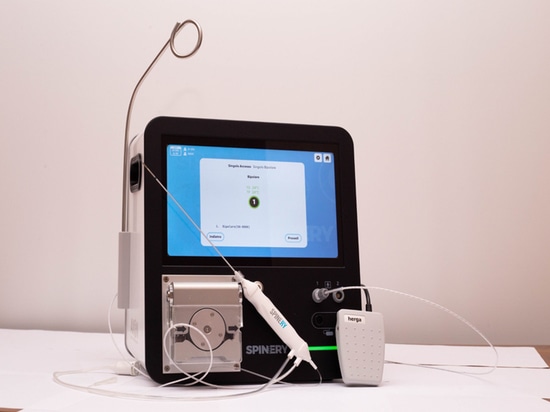
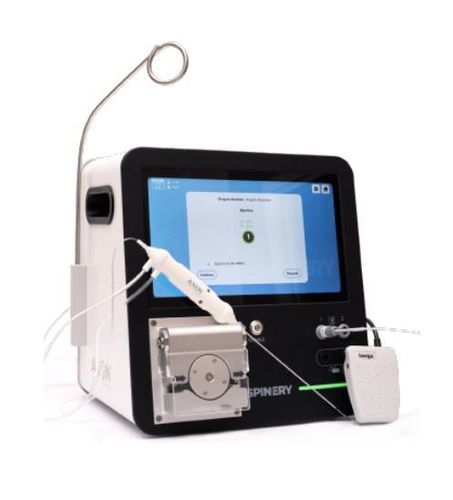
The article presents the results of the SPARTA study, a prospective multicenter clinical investigation evaluating the safety and effectiveness of radiofrequency ablation (RFA) using the Spinery® system for the palliative treatment of bone metastases.
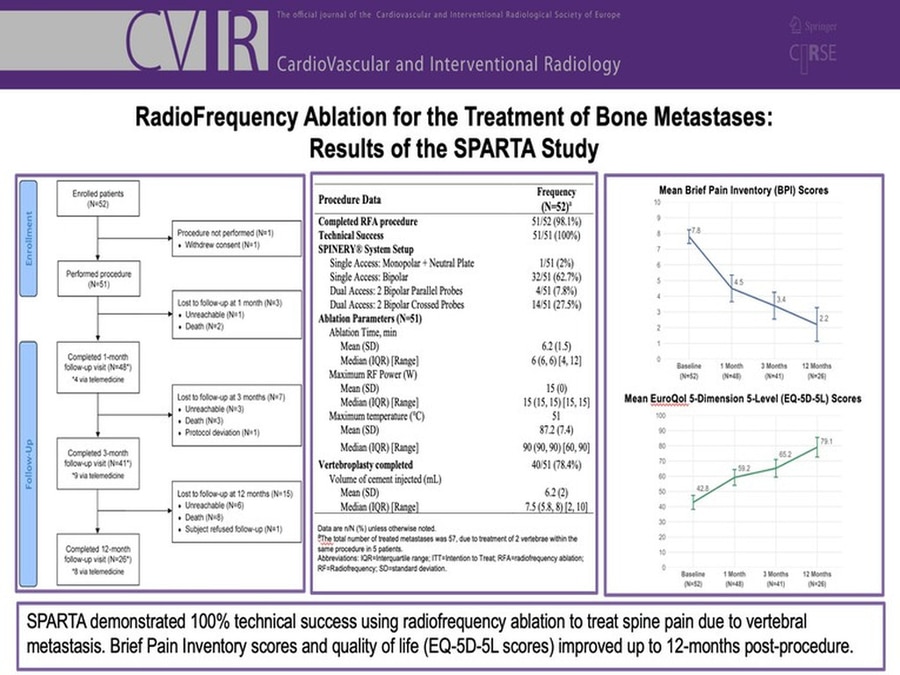
The study was conducted in Italy between July 2022 and December 2023 and included 52 enrolled patients, with 51 successfully treated. The primary objective was to assess pain reduction and device-related safety, while secondary outcomes focused on improvements in patients’ quality of life over time.
Radiofrequency ablation was performed as a minimally invasive, image-guided procedure, often in combination with vertebral augmentation techniques. Clinical outcomes were measured using validated tools such as the Brief Pain Inventory (BPI) for pain assessment and the EQ-5D-5L questionnaire for quality of life evaluation, with follow-ups conducted at 1, 3, and 12 months.
The results demonstrated a 100% technical success rate, confirming the reliability of the procedure. Most importantly, patients experienced a rapid and sustained reduction in pain, with clinically significant improvements already observed at one month and continuing through long-term follow-up. In parallel, there was a progressive and meaningful improvement in quality of life, highlighting the overall clinical benefit of the treatment.
From a safety perspective, the procedure showed an excellent safety profile, with no adverse events related to the device reported during the study. Any observed complications were associated with the underlying disease rather than the treatment itself.
Overall, the SPARTA study supports radiofrequency ablation with the Spinery® system as a safe, effective, and minimally invasive therapeutic option for patients suffering from painful bone metastases, particularly in cases where conventional treatments are not suitable or have failed. The findings reinforce the role of RFA as a valuable tool in palliative oncology, capable of significantly improving patient outcomes and quality of life.