#Industry News
One Scan. One Question. $1,500 Saved.
How Ontario's community paramedics use POCUS to keep patients home — and what that means for primary care.
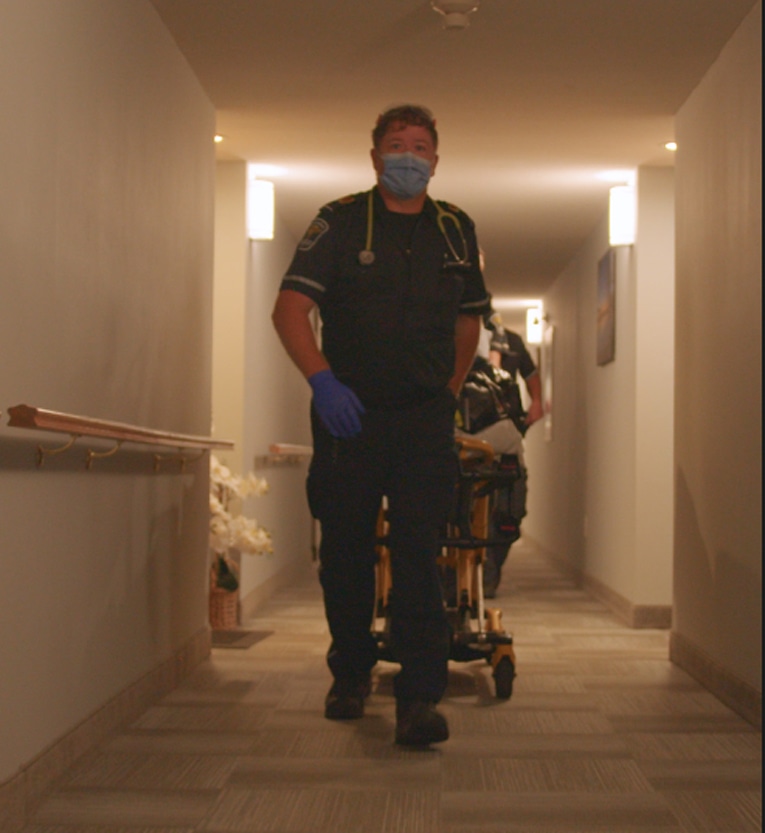
For Brian Dahn, an Advanced Care Paramedic in Durham Region with 32 years on the job, the shift happened the moment he scanned a long-term care resident who had been on antibiotics for a week for a "confirmed" pneumonia and wasn't improving. The probe told a different story: bilateral pleural effusions, fluid overload, no pneumonia at all. No ambulance. No ER. The physician ordered diuretics remotely, and the patient stayed home. That single scan changed the cost calculation — and the patient's experience — completely.
Ontario's community paramedicine programs now run across 11+ services province-wide, up from just one in 2022. The math is straightforward:
$1,500+ saved every time POCUS keeps a patient out of hospital overnight
80% of acute long-term care cases are suitable for point-of-care ultrasound assessment
~1 week to field proficiency — paramedics with no prior imaging experience, trained to scan confidently
Misdiagnoses caught in real time — COPD exacerbations that were actually pleural effusions, pneumonias that were fluid overload
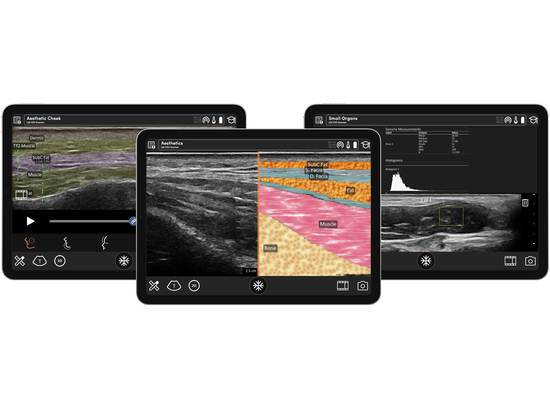
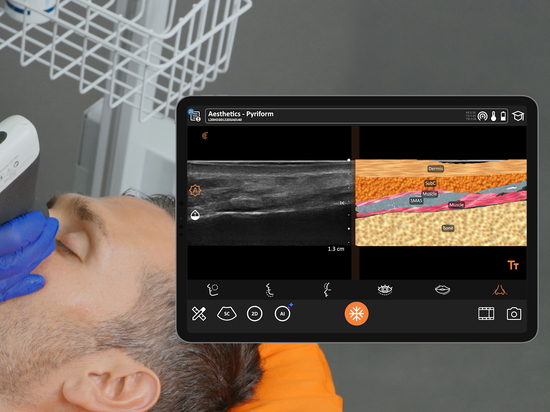
T-Mode™ shortens the learning curve by labelling anatomy on-screen as you scan
Trust compounds fast — physicians who started skeptical are now calling paramedics directly, ahead of 911
"For the price of a machine and an hour of a medic's wage, we're going to save thousands and thousands of dollars in health care." — Brian Dahn, Advanced Care Paramedic, Durham Region