#Product Trends
Why electron microscopy is critical for battery research
Discover the importance of electron microscopy in battery research for analysing structures, morphology, and material distribution to enhance LiB materials. Learn more here.
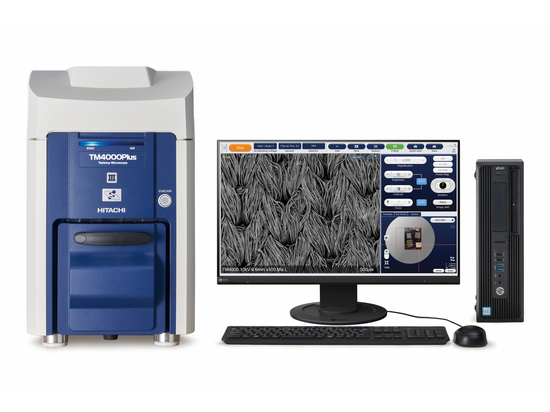
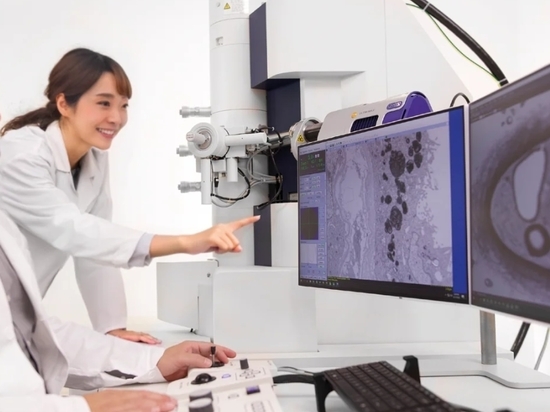
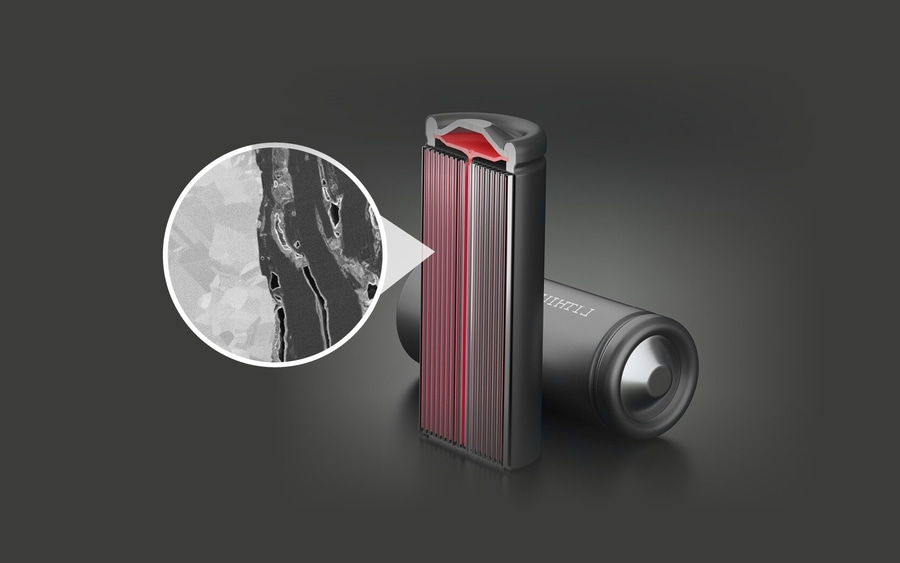
Unlock the future of battery technology with the power of electron microscopy. Scanning Electron Microscopy (SEM) is revolutionizing battery research by providing unparalleled insights into the micro- and nano-scale structures of battery components. By employing advanced techniques like ion-beam milling, SEM allows researchers to precisely analyze the morphology, material distribution, and interface characteristics within lithium-ion batteries.
Key areas of focus include examining the particle morphology and size to identify potential issues like poor ion diffusion, and understanding the distribution of active materials to enhance battery performance. SEM also reveals critical information about the internal pore structure, essential for effective electrolyte penetration and ion transport.
Furthermore, it offers valuable insights into the electrode-electrolyte interfaces, identifying defects that could impact battery efficiency. Researchers can even investigate structural changes that occur during charge and discharge cycles, providing a comprehensive view of battery health and longevity.
Discover how these cutting-edge techniques are aiding in the development of superior batteries. Whether you’re a researcher or manufacturer, SEM can be a game-changer in your quest for innovation.
To find out more, follow this link: https://hte.hitachi-hightech.com/blog/why-electron-microscopy-is-critical-for-battery-research