#Industry News
Proprioception: How to Objectively Assess Postural Balance?
A practical guide to understanding and measuring proprioception for more accurate balance assessments and better rehabilitation outcomes.
Often seen as an abstract concept, proprioception lies at the very core of our ability to move with precision, control, and fluidity. It enables the body to sense its position and motion in space even without visual input. For movement and rehabilitation professionals, understanding and objectively assessing this sensory system is key to evaluating and improving postural balance.
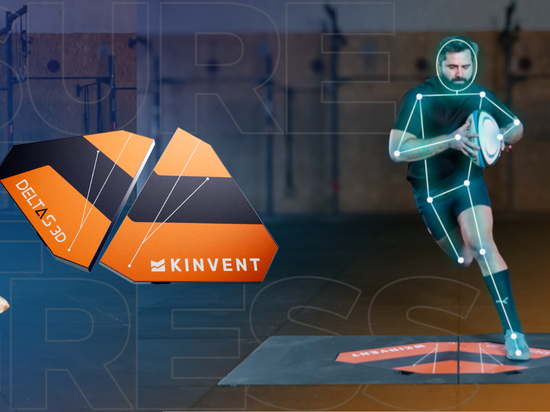
In this article, we explore how the proprioceptive, visual, and vestibular systems work together to maintain balance, and how the body prioritizes these systems depending on the context from everyday tasks to high-level athletic performance. You'll discover why proprioception is more than just balancing on unstable surfaces. It's a complex, adaptive, and measurable system that directly influences movement quality and injury prevention.
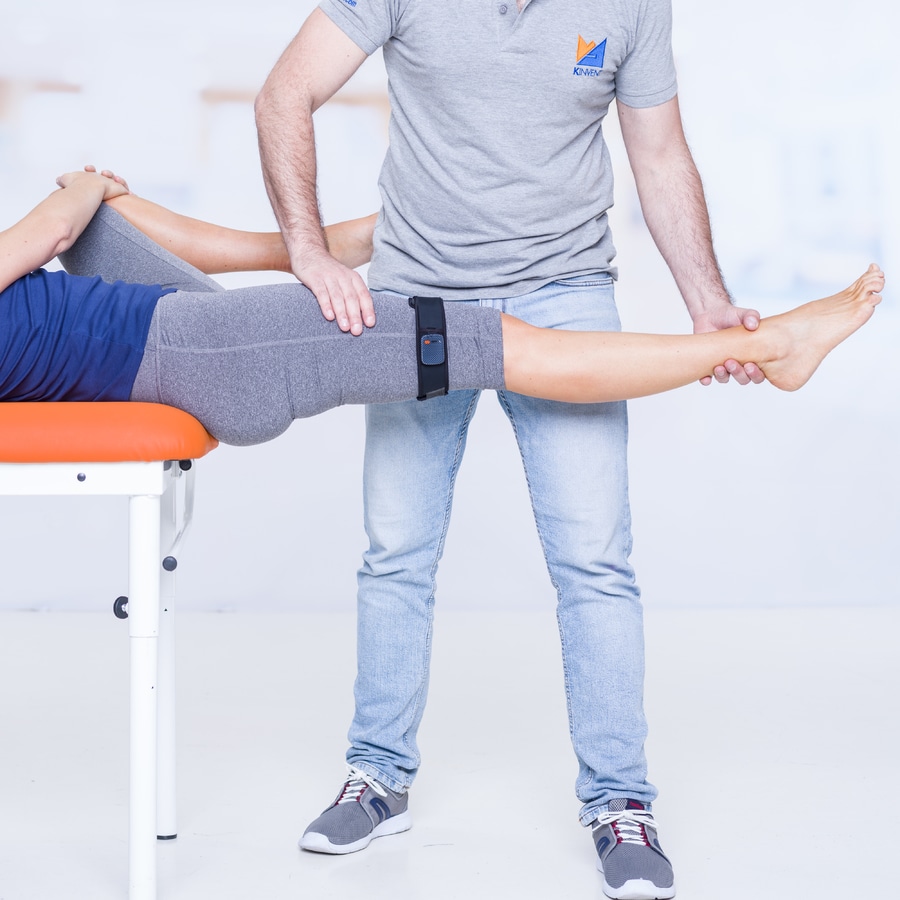
We also examine how clinicians can now objectively measure postural control using reliable tools and protocols to better guide their evaluations and treatment strategies. With a practical and science-based approach, this article helps you understand proprioceptive mechanisms and apply them to real-world assessment and rehabilitation.
Ready to better understand and measure your patients' stability? Dive into our in-depth article on proprioception and discover how to elevate your balance assessments with evidence and precision.