#Industry News
Variable Resistance Training: Does Performance Recovery Mean Full Muscle Recovery?
A recent study compares variable resistance training with isometric exercise to reveal how strength, power, and muscle structure recover differently after training.
Recovery is a key consideration when programming upper-body training, particularly when explosive performance is required. A recent study compared variable resistance training using elastic bands with isometric exercise performed at long and short muscle lengths.
The results revealed an important distinction. After variable resistance training, strength and power returned to baseline within 24 hours, while muscle thickness remained elevated, suggesting that structural recovery was still ongoing.
This highlights a potential “false recovery” effect: an athlete may perform normally even though the muscle has not fully recovered. For coaches and clinicians, relying solely on performance measures may therefore provide an incomplete picture of recovery.
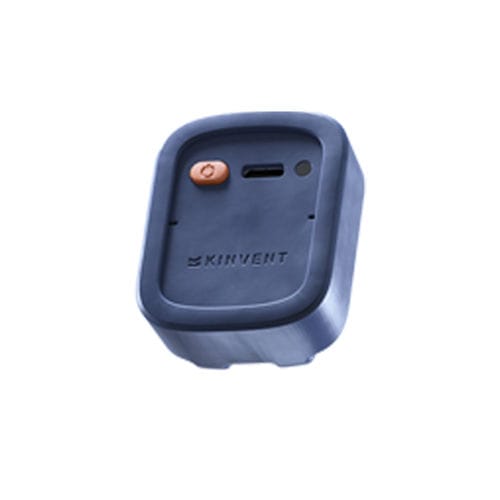
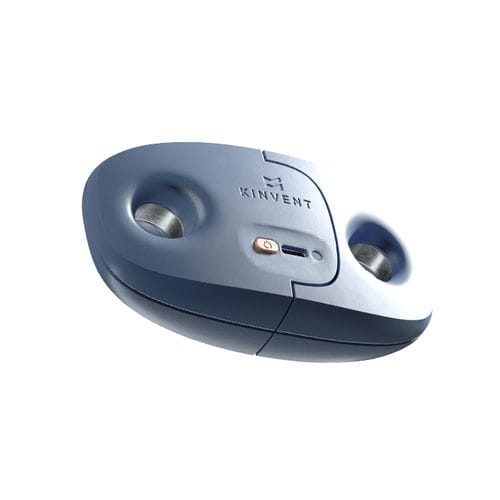
Using objective assessment tools such as the KINVENT K-Pull dynamometer and K-Move goniometer, the study illustrates how combining force, movement, and physiological measurements can provide a more complete understanding of recovery.
These findings can help professionals better adapt training frequency, manage fatigue, and determine when variable resistance or isometric exercise may be most appropriate.