
#Industry News
Photobiomodulation for Recovery and Pain Relief: How Light Supports Healing
Photobiomodulation supports recovery and pain relief by improving cellular energy, circulation, and tissue repair processes. This may help reduce inflammation, accelerate healing, and improve overall recovery capacity.
Pain and recovery are closely connected to what happens inside the body at a cellular level. Whether the cause is physical strain, intense exercise, injury, inflammation, or chronic stress on tissue, the body relies on energy, circulation, and repair mechanisms to recover properly.
When these systems become overloaded, recovery slows down. Inflammation persists longer than necessary, tissue repair becomes less efficient, and pain signals remain active.
Photobiomodulation (PBM) offers a different approach to recovery and pain management. Instead of simply masking discomfort, it supports the biological processes responsible for healing and tissue repair.
How light supports recovery
PBM uses specific wavelengths of red and near-infrared light, typically between 630 and 850 nm, to penetrate tissue and interact with cells beneath the skin.
Once absorbed, the light stimulates mitochondria, the energy-producing structures inside cells. This increases ATP production, giving cells more energy to repair and recover.
At the same time, PBM helps regulate oxidative stress, improve blood flow, and support anti-inflammatory signaling pathways.
Together, these effects may help support:
reduced muscle soreness and stiffness
improved tissue repair
better circulation and oxygen delivery
reduced inflammation and swelling
faster recovery after physical strain
support for joint and soft tissue comfort
Rather than forcing recovery, PBM helps create the conditions the body needs to heal more efficiently.
Why cellular energy matters in healing
Recovery requires energy. Muscles, tendons, joints, and connective tissue all rely on cellular activity to repair damage and restore function.
When tissue is stressed or injured, energy demand increases significantly. If the body cannot meet that demand efficiently, recovery slows down and discomfort often remains longer.
By improving mitochondrial function, PBM helps cells produce more usable energy. This supports tissue repair while helping reduce the biological stress associated with inflammation and pain.
Supporting both acute and chronic recovery
One of the reasons PBM has gained attention across wellness and recovery markets is its versatility.
It is increasingly explored in areas such as:
sports recovery and performance support
muscle fatigue and overtraining
joint discomfort and stiffness
post-workout recovery
chronic pain support
rehabilitation and mobility-focused applications
PBM can support both short-term recovery after intense physical activity and longer-term tissue support where ongoing inflammation or stress is involved.
How PBM may help reduce pain
Pain is often linked to inflammation, tissue stress, and nerve sensitivity.
PBM may help reduce pain indirectly by improving the tissue environment itself. As inflammation becomes more regulated and circulation improves, pressure on surrounding tissue and pain-sensitive structures may decrease.
At the same time, improved cellular repair helps support recovery of the affected area rather than simply suppressing symptoms temporarily.
This makes PBM particularly attractive as a non-invasive and drug-free recovery solution.
What happens during a PBM session
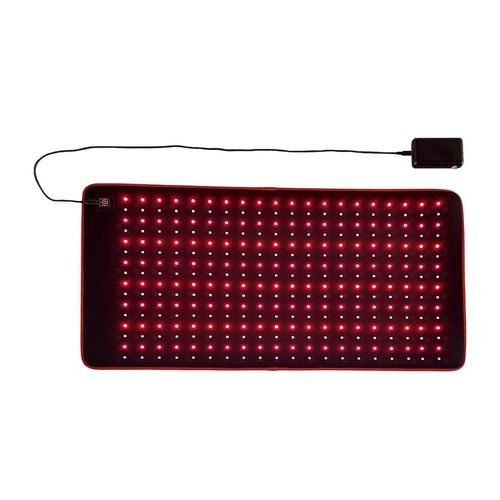
A PBM recovery session is simple and non-invasive. A light therapy panel, wearable device, or handheld applicator is positioned over the treatment area for a short period of time.
The experience itself is comfortable. Most users feel little or no sensation during treatment aside from occasional mild warmth.
Internally, however, several biological responses begin rapidly:
ATP production increases
local circulation improves
inflammatory signaling becomes more balanced
repair pathways become more active
With repeated sessions, these effects may contribute to improved recovery capacity, reduced discomfort, and better overall tissue function.
Why device quality matters
The effectiveness of PBM depends heavily on how the light is delivered.
Key factors include:
wavelength accuracy
power density and energy dosing
treatment duration
consistency of output
proper coverage of the treatment area
Too little energy may not produce meaningful results, while excessive dosing can reduce effectiveness.
This is why professionally engineered systems are essential for recovery-focused applications.
The future of recovery-focused light therapy
The recovery and wellness market continues to grow rapidly. Consumers, athletes, clinics, and wellness brands are increasingly looking for non-invasive technologies that support performance and healing without pharmaceuticals or invasive treatments.
This creates strong opportunities for:
wearable recovery devices
sports performance systems
home-use recovery panels
mobility and rehabilitation solutions
multifunctional wellness technologies
As awareness around cellular recovery grows, PBM is becoming an increasingly important category within the broader recovery technology market.
At Light Tree Ventures, we develop advanced photobiomodulation systems for wellness, recovery, beauty, and medical applications. From industrial design and wavelength engineering to certification and scalable manufacturing, we help brands create clinically aligned devices built for real-world performance.
Looking to develop a recovery-focused PBM device?
Let’s build the next generation of recovery technology together.
Start your project today.
Your next steps start here