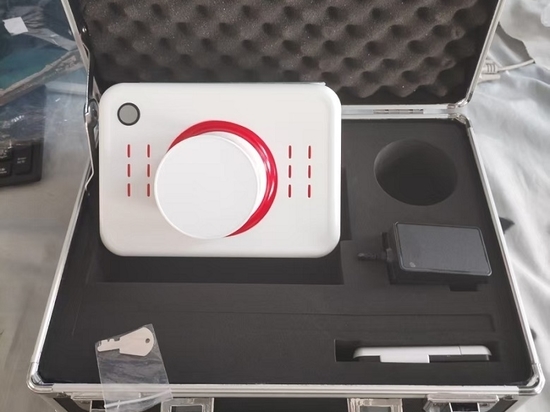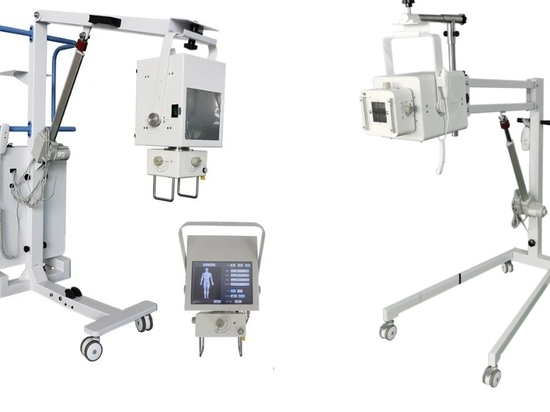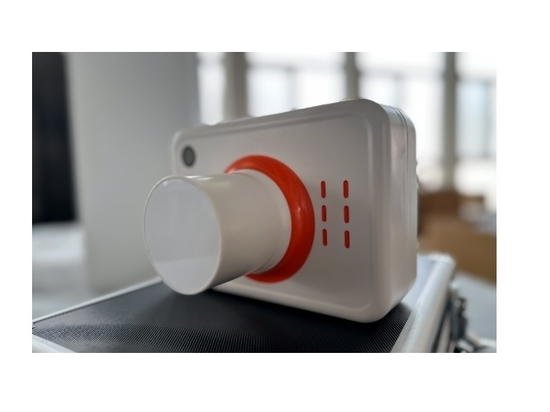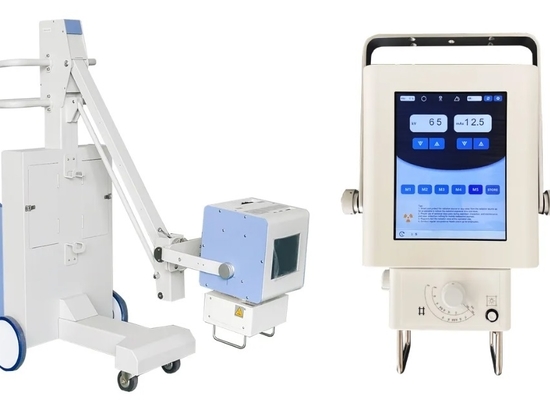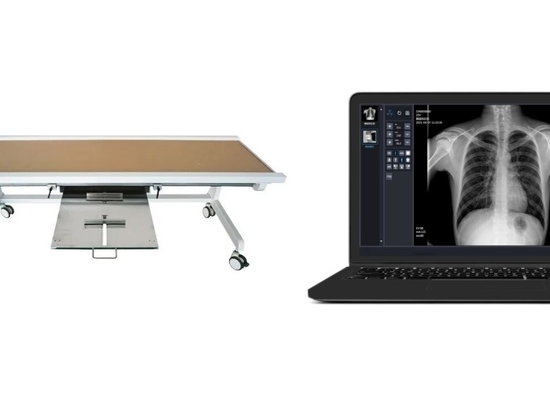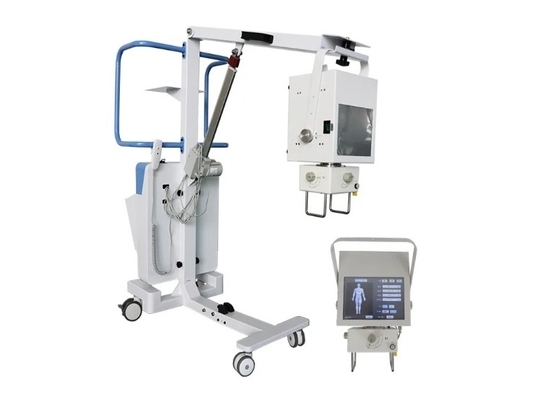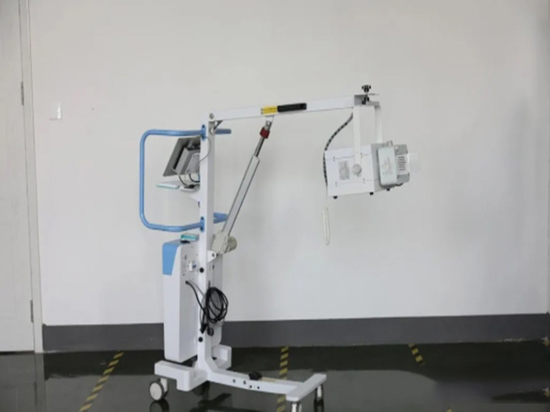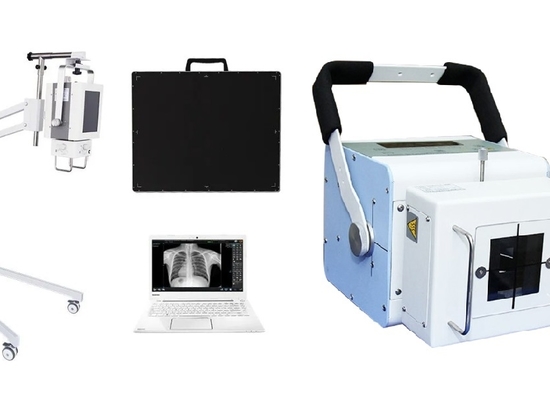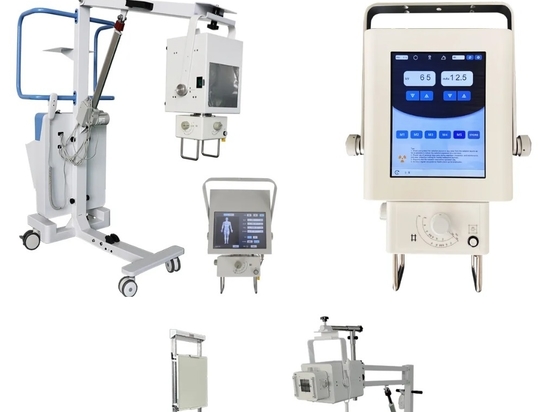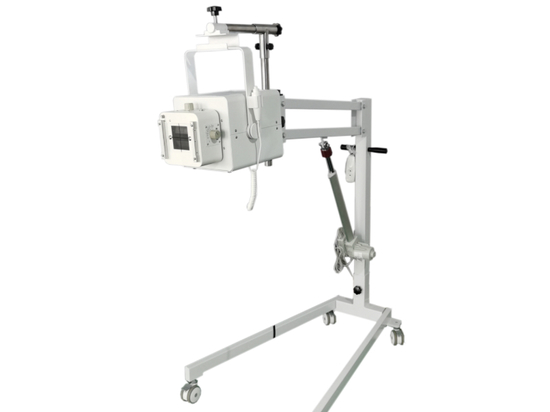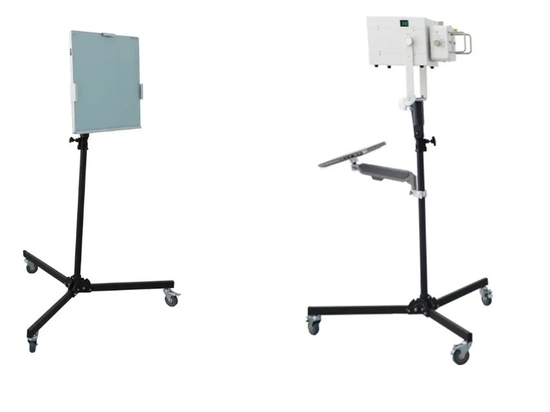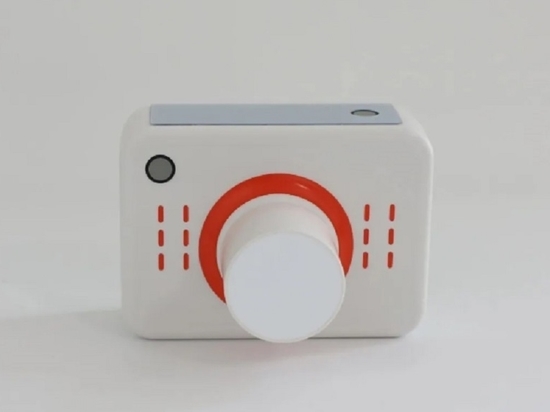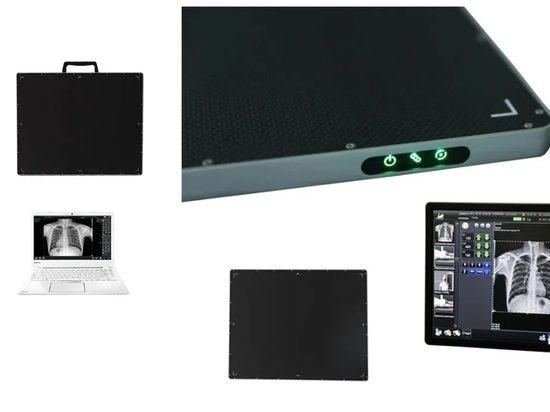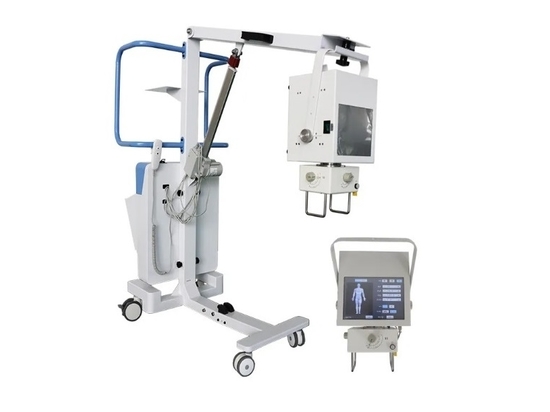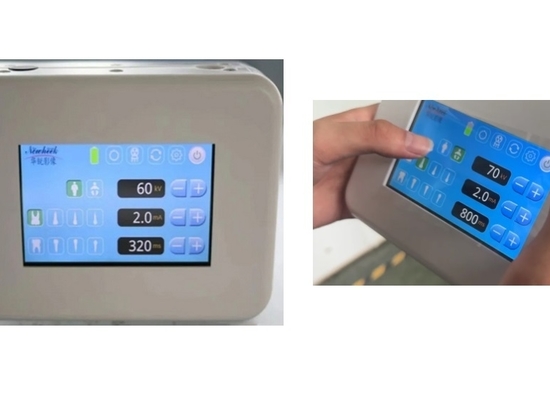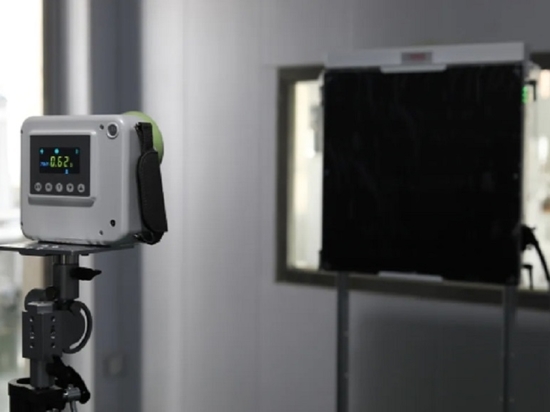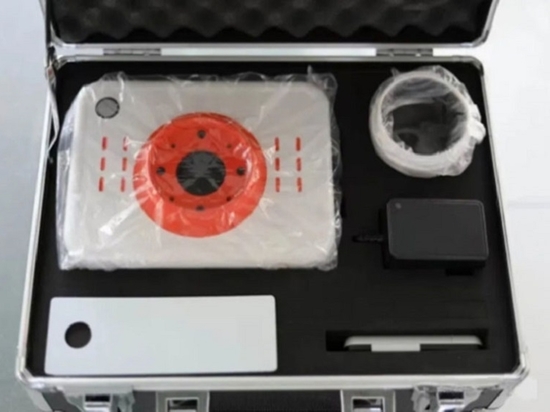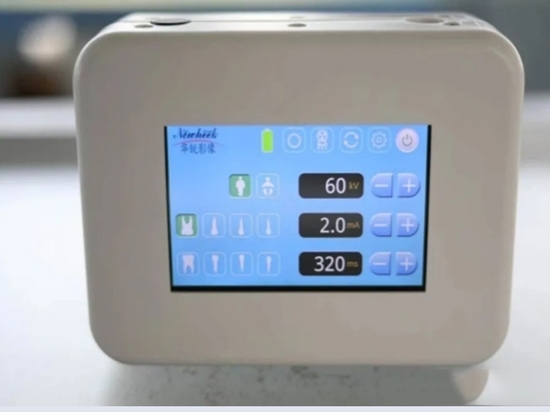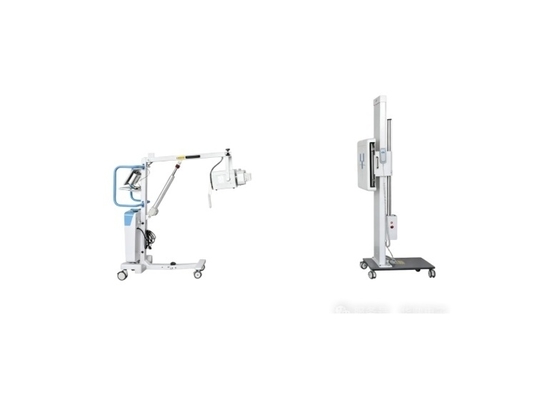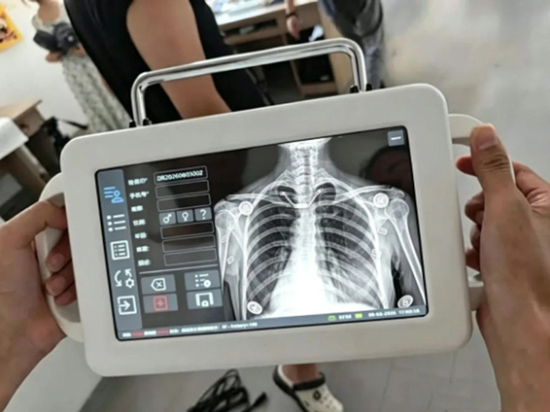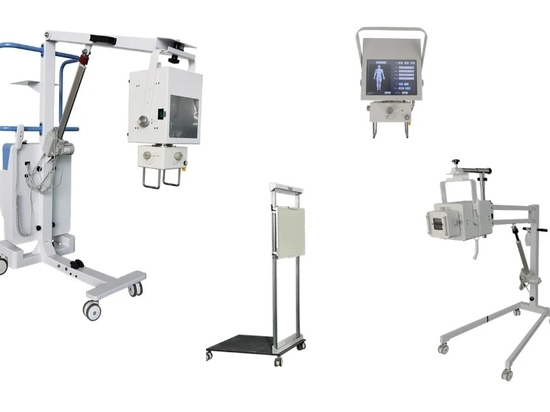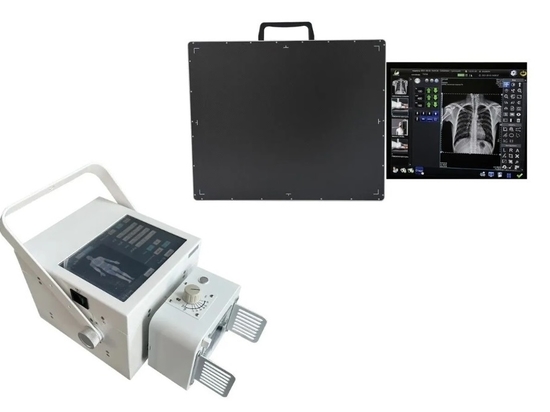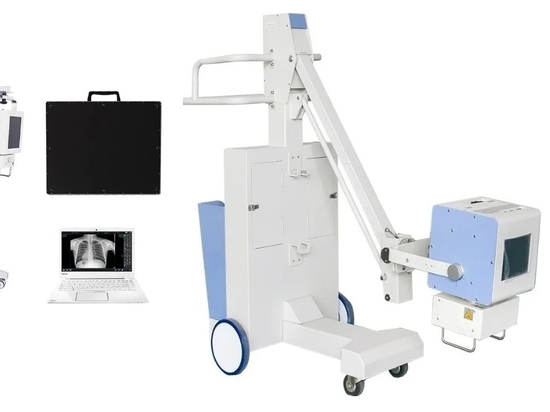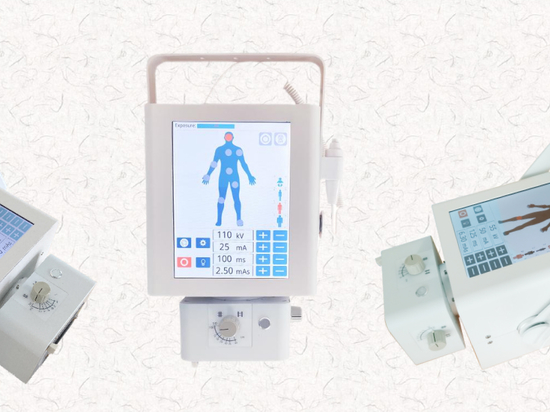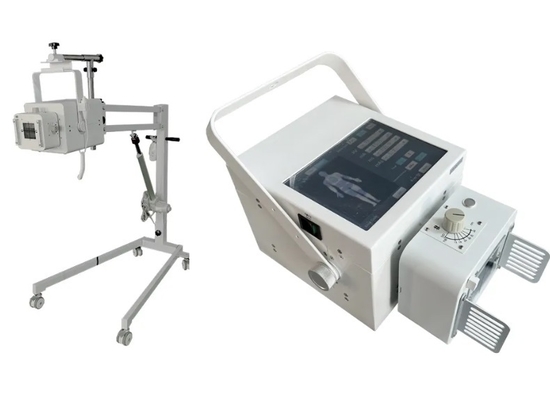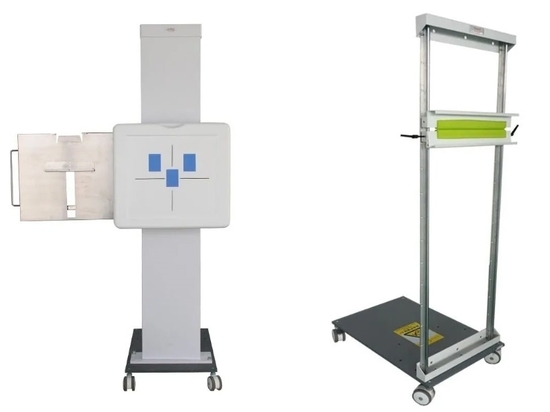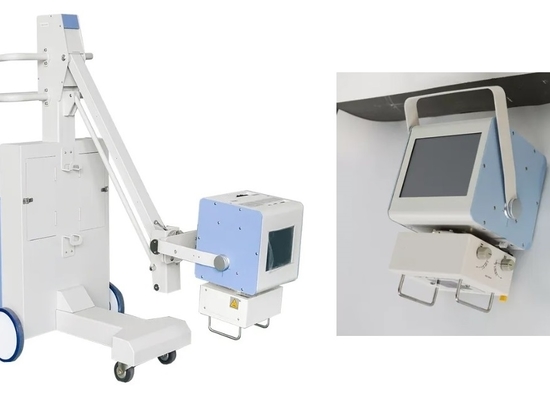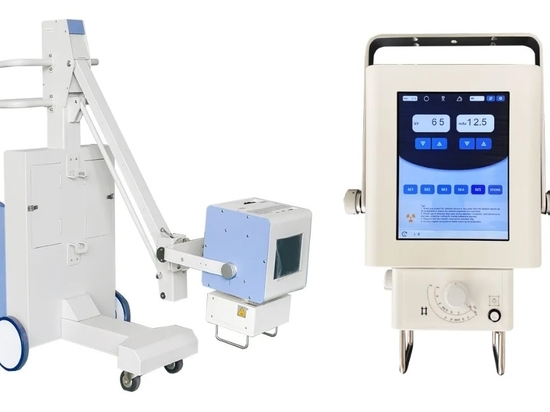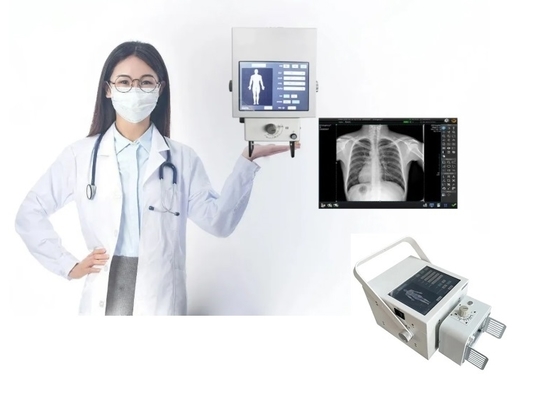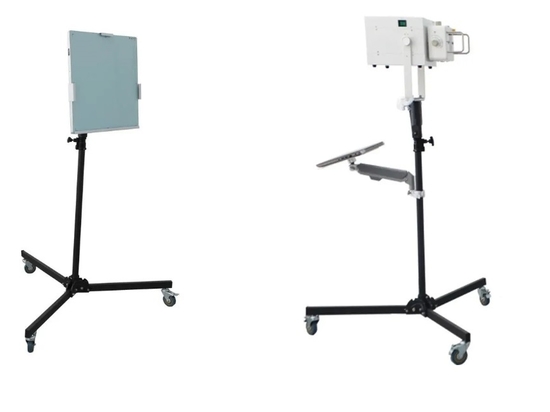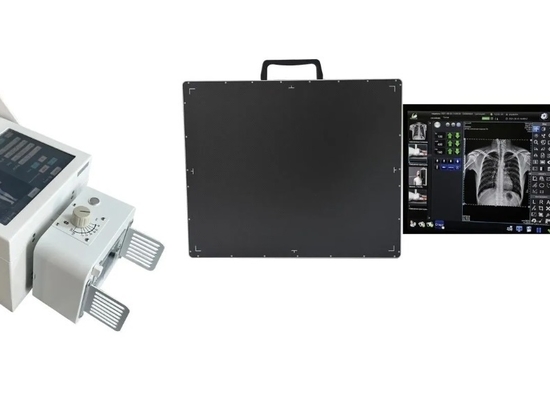
In the traditional perception of medical imaging X ray examinations have long been confined to fixed radiology rooms. Bulky stationary DR equipment dedicated shielded rooms and complicated booking procedures severely limit imaging examinations in numerous special scenarios. Many clinical and medical pain points such as immobile bedridden elderly patients critically ill p...
Roaming Imaging Unit Portable DR Reshaping The Boundaries Of Medical Diagnosis Imagine this scenario. An elderly patient in the intensive care unit requires an urgent chest X‑ray but cannot be moved due to numerous attached tubes and catheters. Remote village clinics lack dedicated radiography rooms, forcing local residents to travel dozens of kilometers for simple X‑ray...
In conventional medical imaging practices, there is a long-held assumption that radiographic examinations must be performed in dedicated radiology departments with custom-built rooms and large stationary equipment. For bedridden critically ill patients, elderly people with limited mobility, pre-hospital emergency cases, and individuals receiving outdoor health screenings...
When people talk about mobile X‑ray equipment, many still assume that portable devices produce grainy, dim images compared with fixed radiography systems in dedicated scan rooms. This stereotype has been overturned by modern mobile X‑ray machines equipped with built‑in image processing modules. These integrated systems generate clean, bright and highly readable radiograp...
Blurry images and artifacts frequently appear during radiography at orthopaedic clinics bone setting centers and rehabilitation facilities. In most cases the portable DR unit functions normally yet the final radiograph turns fuzzy with distracting shadows and unclear anatomical details. The root cause usually lies in unsuitable examination tables. Many clinics make do wi...
Mobile X‑ray stands greatly expand the application boundary of radiography. Unlike fixed radiography rooms with built‑in lead walls, mobile X‑ray equipment works in temporary spaces without standardized shielding. Improper radiation control will expose operators, patients and bystanders to scattered rays. A complete set of matched protection schemes is essential for safe...
Many people associate X‑ray examinations with bulky stationary machines installed in hospital radiology departments. As demands for primary care home‑based medical services emergency rescue and mobile screening keep rising, portable digital radiography systems have emerged. These compact and movable digital X‑ray units remove geographical constraints and make high‑qualit...
Portable X‑ray devices have long been stereotyped as bulky installations confined to dedicated hospital radiology suites. Traditional fixed‑site DR systems demand specially shielded rooms, permanent power supplies and stationary layouts. Bedridden elderly patients cannot be transported easily, health screening in remote villages faces huge obstacles, on‑site emergency tr...
Vagary means breaking the fixed limitations of traditional X‑ray equipment. When people talk about X‑ray radiography, most of them imagine bulky stationary machines inside hospital radiology departments. However, with the surging demand for grassroots medical services, home‑based consultations, emergency rescue and mobile screening, portable DR systems have emerged. As l...
[email protected] +86 17616362240 Traditionally X‑ray examinations have long been confined to fixed medical facilities. To receive skeletal and thoracic imaging scans patients must visit hospital radiology departments where bulky stationary DR systems and dedicated examination rooms are mandatory. Nevertheless in scenarios including grassroots‑level health screening...
+86 17616362240 [email protected] Traditional fixed X‑ray radiography systems have long served clinical imaging work, yet they bring obvious drawbacks for many medical facilities. Conventional radiography units require dedicated shielded examination rooms, large installation footprints, and fixed layout planning. For community hospitals, small‑scale clinics and over‑c...
In modern medical imaging and grassroots diagnostic services, traditional fixed DR equipment faces obvious limitations. It relies on fixed ward layout, requires professional room arrangement, and cannot be moved flexibly. For home visits, emergency rescues, field medical services, and remote patient screening, stationary imaging devices are difficult to meet real-time di...
Mention X‑ray examinations, and most people’s default understanding is: register for a consultation, wait in line, head to the fixed radiology department in a hospital, and wait for images to be generated. However, in emergency resuscitation, ICU monitoring, grassroots field medical screenings, home‑based elderly care ward rounds, outdoor emergency rescue and other scena...
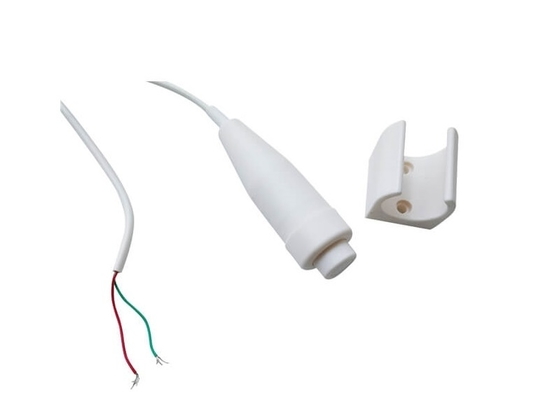
Avoid mis‑steps in selection! Medical exposure handswitches support universal and custom‑built device full‑coverage. Many hospital equipment departments and medical device manufacturers often raise questions during procurement: which medical devices are compatible with medical exposure handswitches? Can these switches work universally? As an original manufacturer of medi...
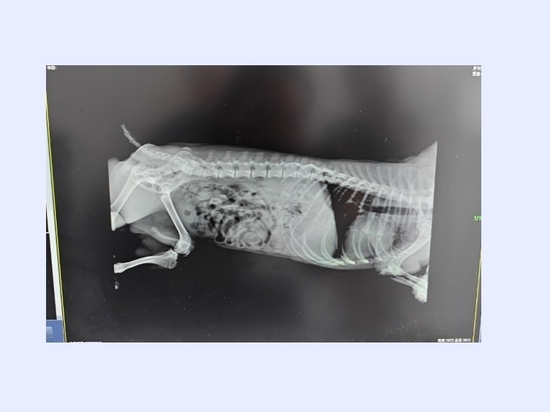
X‑ray imaging examination is an essential procedure in veterinary diagnosis. Accurate radiographs are required to identify fractures, foreign bodies, visceral lesions and other health conditions in animals. However, conventional fixed X‑ray systems are bulky in size and demand dedicated shielded rooms with high renovation costs. Many small‑and‑medium vet clinics and comm...
Small mobile X-ray stands are essential auxiliary equipment for modern medical radiographic imaging systems, widely matched with portable X-ray machines, DR flat-panel detectors, and CR IP boards. Different from fixed wall-mounted and vertical X-ray racks, this lightweight and flexible mobile bracket breaks the limitations of traditional fixed imaging spaces. It features...
As a core auxiliary component of medical X-ray imaging equipment, the grid filter plays an irreplaceable role in improving image clarity and eliminating scattered radiation. Widely applied in hospital radiology departments, physical examination centers and industrial flaw detection scenarios, this precision device filters out disorderly scattered X-rays and only retains ...
Traditional fixed DR systems rely on dedicated radiology rooms. Critically‑ill patients, field emergency response teams, primary‑care outreach services and small clinics are often constrained by space, making rapid X‑ray examinations difficult to carry out. The advent of handheld DR (hand‑held digital radiography system) transforms the imaging workflow, shifting from “pa...
Walk into any hospital radiology department, and you will notice X‑ray films requiring darkroom development have largely disappeared. Instead, physicians zoom, pan and examine high‑definition images directly on computer screens. At the heart of this digital revolution lies the flat panel detector (FPD). It acts not only as the core component for modern medical imaging, ...
Medical imaging DR devices serve as core tools for clinical screening, disease diagnosis and injury assessment. Conventional fixed DR systems feature bulky structures and fixed‑position installation that rely on dedicated lead‑lined rooms. Patients have to visit specialized imaging departments for radiography. Such setup creates notable limitations for bed‑ridden patient...
For radiographers, clinic operators and medical equipment distributors, mastering the accurate placement of X-ray anti-scatter grid is the key to acquiring crisp, artifact-free radiographic images. Improper grid layout will lead to blurred films, uneven brightness, reduced diagnostic accuracy, and even irreversible damage to imaging devices. This article interprets the p...
In modern clinical and emergency medical services, diagnostic efficiency and scene adaptability are critical to treatment outcomes. Traditional fixed X-ray machines rely on dedicated radiology rooms with fixed installation and complex operation processes, which cannot meet the needs of on-site, bedside and outdoor emergency examinations. As a portable and innovative imag...
Securing precious time and delivering accurate diagnosis stand at the heart of emergency care. Conventional stationary X-ray machines require dedicated radiology rooms and cannot be relocated. When coping with traffic accident scenes, disaster relief operations and bedridden critically ill patients, medical staff have to transfer patients first before conducting radiogra...
When you think about getting an X-ray taken, what pops into your mind first? The thick lead door of the hospital radiology department, or the bulky machine that takes up half a room? Today, a device known as handheld DR is quietly reshaping this landscape. Compact enough to be held in one hand and lightweight enough to slip into a backpack, it captures high-definition di...
As the core visual diagnostic tool for clinical treatment, medical imaging underpins disease screening, trauma diagnosis and postoperative evaluation. For decades, traditional X-ray and DR devices have been fixedly installed in hospital radiology departments. Their bulky structure and limited mobility have formed a rigid medical model that requires patients to travel for...
X‑ray anti‑scatter grids are indispensable auxiliary components in radiographic imaging systems. Numerous buyers mistakenly treat industrial radiography X‑ray grids and medical X‑ray grids as interchangeable spare parts due to their similar outer appearance. Although both devices follow identical physical working principles for scattering radiation suppression, they are ...
Portable digital radiography (DR) has become an indispensable imaging hardware for modern medical institutions, breaking the geographical limitation of fixed radiology rooms and delivering stable image output across multiple clinical scenarios. This device adopts direct digital X‑ray imaging workflow, fundamentally differing from traditional film‑based shooting modes. Wh...
Conventional medical radiography is long confined by fixed limitations: dedicated shielded rooms, stationary equipment, and mandatory patient transfers for radiological scans. Yet many clinical scenarios are restricted by such rigid settings. Bedridden patients with limited mobility, critically ill emergency cases, grassroots remote medical services, outdoor emergency re...
In pre‑hospital rescue, emergency resuscitation, ICU and bedridden‑patient examinations, conventional fixed X‑ray units are confined by room layout and site conditions. Patient transfer brings high risks and prolonged examination time, which may easily delay golden diagnosis‑and‑treatment windows. Room‑free, mobile, low‑radiation and fast‑imaging medical portable X‑ray m...
Traditional medical imaging diagnosis has long been plagued by a universal pain point: radiographic examinations are confined within dedicated radiology rooms. Patients have to travel to the radiology department for X-ray scans. For elderly patients with limited mobility, post-operative bedridden individuals and critically ill ICU patients, patient transfer consumes trem...
Chest radiography serves as a core procedure for clinical screening, preoperative examinations and routine diagnostic work. The vertical bucky stand acts as an essential supporting device to guarantee sharp imaging and streamlined workflow during chest radiography. Many medical institutions focus solely on X-ray host performance during procurement yet overlook the import...
Within the conventional medical imaging framework X-ray examinations generally require patients to be transferred to dedicated radiology rooms equipped with large stationary equipment. Yet for critically ill ICU patients individuals on operating tables or trauma victims in emergency wards such transfers involve tedious workflows and substantial safety risks. The emergenc...
Within hospitals, when critically ill patients cannot travel to the radiology department for radiography, a special mobile medical team will be dispatched, equipped with peripatetic portable DR. Hailed as a radiology department on wheels, it is quietly revolutionizing the workflow of conventional medical imaging. 1. What is Portable DR? Portable DR is the abbreviation of...
Traditionally X ray examinations must be carried out inside dedicated radiology departments, which requires transporting and repositioning patients. For critically ill patients, every transfer brings potential risks. Today, portable Digital Radiography (DR) systems are reshaping this scenario. These devices bring X ray examinations out of stationary radiology rooms and d...
Mobile digital X-ray devices have become indispensable diagnostic equipment in modern healthcare, widely applied in emergency rooms, ICU, isolation wards, and grassroots clinics. A core technical advantage that distinguishes premium mobile DR devices from ordinary portable X-ray machines is their perfect balance of lightweight portability and high-definition imaging perf...
In the past, X-ray examinations were strictly limited to fixed radiology departments in hospitals. Reliance on bulky stationary equipment, complicated procedures and site restrictions has long brought great inconvenience to medical diagnosis and health screening. Today, the portable DR X-ray machine completely breaks spatial limitations. It realizes lightweight and mobil...