#Industry News
Highly Realistic Soft Silicone Anatomy Model
Silicone Anatomy Model
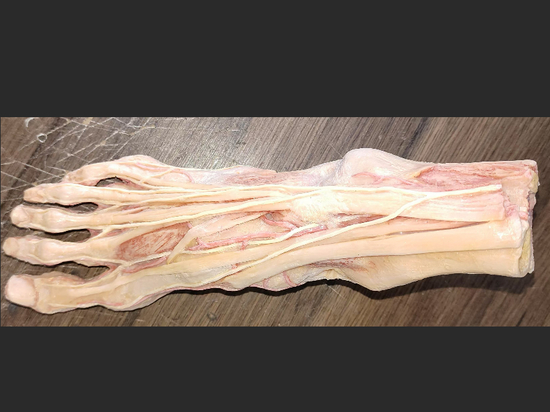
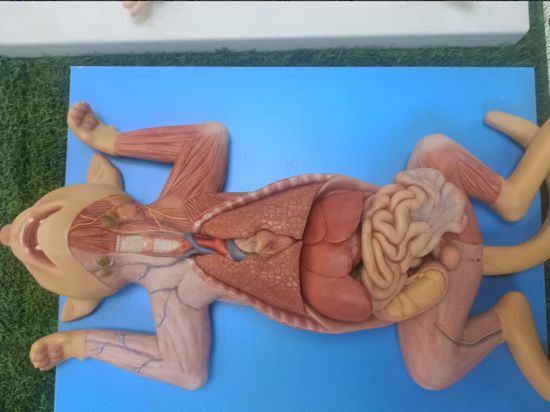
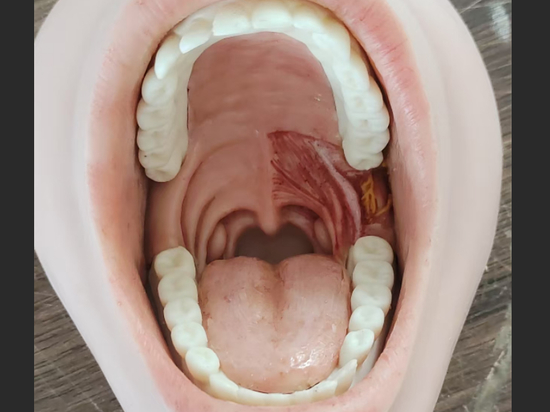
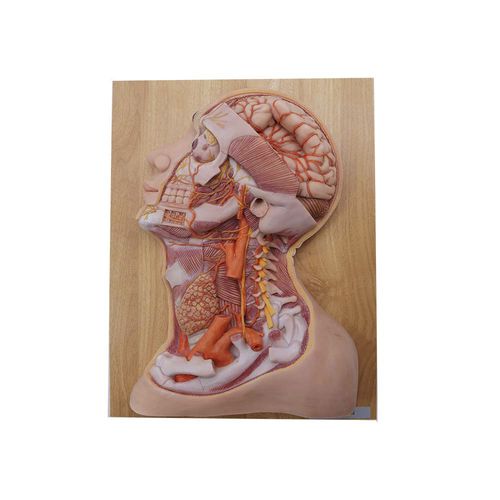
Anatomy is fundamental to biology and medical education, but traditional teaching methods often make it difficult for students to truly grasp the complex structures and functions of life. To address this issue, a growing number of educational institutions are introducing highly realistic anatomical models. These models not only offer highly realistic representations of organs and anatomical accuracy, but also significantly enhance classroom interactivity and student learning outcomes.
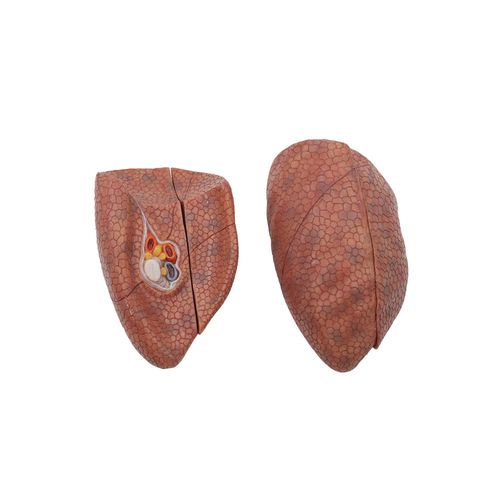
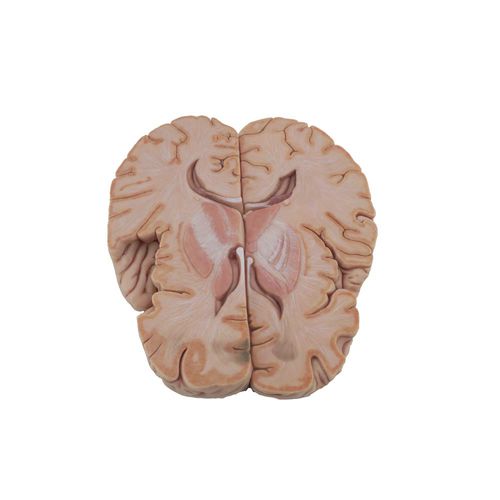
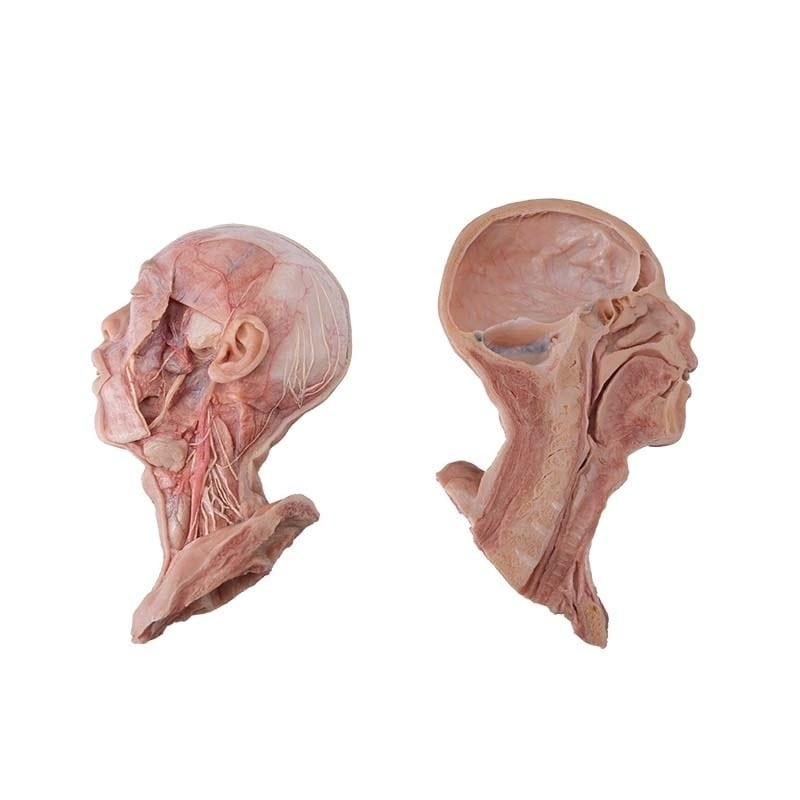
Highly realistic anatomical models are typically crafted from high-quality materials and accurately replicate human and animal anatomy. Their highly realistic design accurately reproduces every detail of the human body's internal structure. From the delicate network of blood vessels to the intricate muscle fibers, from the subtle distribution of nerves to the morphological characteristics of individual organs, each model strives to achieve a level of fidelity comparable to the real thing. This design allows students to clearly observe the inner workings of life without direct contact, creating a profound and intuitive visual impression and fostering a deeper understanding through both visual and tactile perception.
Many anatomical models are designed with detachable components. Compared to traditional teaching methods, highly realistic anatomical models offer a significant advantage in their interactivity. Students can freely flip, disassemble, and reassemble the models, and the accompanying QR code virtual reality technology allows for a more immersive learning experience. This hands-on learning approach not only satisfies students' curiosity and desire to explore, but also encourages them to identify and solve problems during the process, thereby deepening their understanding and mastery of anatomical knowledge. Teachers can also use these models to design diverse teaching activities, such as group discussions and case studies, to further stimulate students' interest and enthusiasm.
Highly realistic anatomical models are carefully considered in their material selection and production processes. They are typically made of non-toxic, harmless, and environmentally friendly materials, ensuring student health and safety while meeting modern educational requirements for environmental protection. Furthermore, these models are durable, easy to clean, and reusable, effectively reducing teaching costs and improving resource utilization. Highly realistic anatomical models are equipped with QR codes. These realistic animal anatomy models incorporate AR (augmented reality) and VR (virtual reality) technologies. Students can interact with the models using devices such as mobile phones and tablets, gaining additional background knowledge and anatomical information, making learning more engaging and effective.