#Product Trends
Rigid Laryngoscopes in Daily Practice
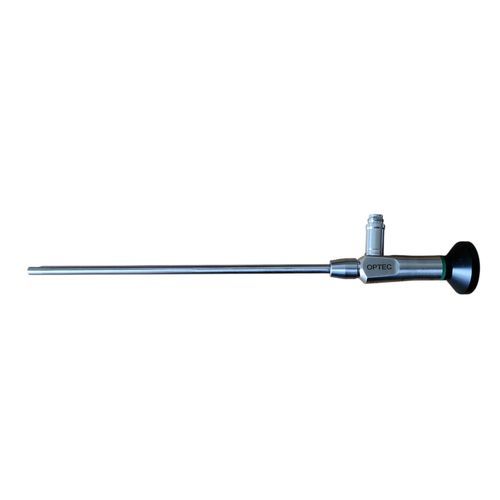
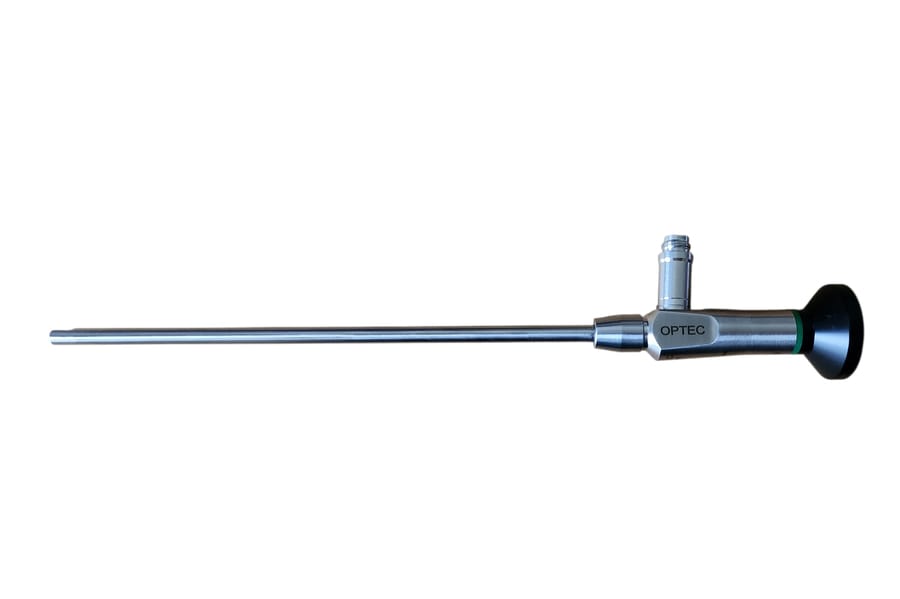
Brilliant image quality, excellent depth of field, autoclavable, and available in four diameters with 70° and 90° viewing angles: OPTEC's rigid HD laryngoscopes at a glance.
Why the Rigid Telescope Remains Indispensable
Flexible endoscopes are an essential part of ENT practice. But when it comes to detailed assessment of the vocal folds, glottis and hypopharynx, the rigid laryngoscope remains the benchmark. It delivers:
• A high-contrast, true-color image with excellent resolution
• Reliable assessment of fine mucosal changes, such as leukoplakia, polyps, nodules or vascular patterns
• A solid basis for stroboscopy and documentation
For voice diagnostics, the work-up of hoarseness and follow-up examinations, image quality is not a luxury. It is a prerequisite for a confident diagnosis.
What Sets the OPTEC T-Scope HD Laryngoscopes Apart
1. Brilliant HD image
Sharp, bright and high-contrast right to the edge of the field. This makes findings easier to recognize and your documentation more meaningful.
2. Excellent depth of field
The image stays sharp even when the distance changes slightly, so you don't need to keep refocusing during laryngeal examinations.
3. Autoclavable
Designed for safe, economical and MDR-compliant reprocessing in daily practice.
4. Compatible with your existing system
OPTEC and STORZ native, OLYMPUS and WOLF on request. Your existing camera and light source setup stays in place.
5. High Quality from Germany
Designed for everyday clinical use.
Four Diameters, Two Viewing Angles: The Right Telescope for Every Anatomy
The T-Scope HD laryngoscopes are available in four diameters, each with 70° and 90°:
Diameter 70° 90°
4 mm ✓ ✓
5.8 mm ✓ ✓
8 mm ✓ ✓
10 mm ✓ ✓
On diameter: Larger diameters transmit more light and give an especially bright image. Smaller diameters are advantageous for narrow anatomy and for pediatric patients.
On viewing angle:
Viewing angle Typical use
70° Standard telescope with a good overview of the glottis and larynx
90° Frontal view of the vocal folds, often used for stroboscopy and detailed assessment
Many practices work with both angles to stay flexible depending on the patient and the clinical question.
Value Retention and Service
A rigid telescope is an investment meant to last for years. That is why OPTEC also supports you with the inspection and repair of your existing telescopes. Our Scope-Check reports document the condition of each telescope clearly, as a basis for your reprocessing and MDR documentation.
Who the T-Scope HD Laryngoscopes Are Especially Suited For
• ENT practices looking to improve image quality in voice and laryngeal diagnostics
• Practices with Storz systems seeking an economical complement or alternative
• Hospitals and medical care centers that need replacement or additional telescopes
• Phoniatrics and speech therapy, where image quality is critical for stroboscopy and follow-up documentation
Conclusion
A rigid laryngoscope has to do one thing above all: reliably show what is there. With the T-Scope HD telescopes you get brilliant images, excellent depth of field, autoclavable durability and full system compatibility, in four diameters and two viewing angles.
Request a Quote Without Obligation
Would you like to try a telescope or receive an individual offer? We're happy to advise you personally.
OPTEC Endoscopy Systems GmbH
Fichtenweg 3, 66280 Sulzbach, Germany
Phone: +49 6897 924986-0
Email: [email protected]