#Product Trends
Hair Analysis: How automation speeds up clinical studies
The evaluation of hair care products is based on numerous factors: hair density, diameter, growth, color, scalp condition, and the presence of dandruff and sebum.
Traditionally, these analyses have required time-consuming and tedious manual processing, particularly in studies involving a large number of participants.
Today, artificial intelligence and image analysis are paving the way for a new generation of hair assessments that are faster, more objective, and more reproducible.
Hair segmentation at the heart of automation
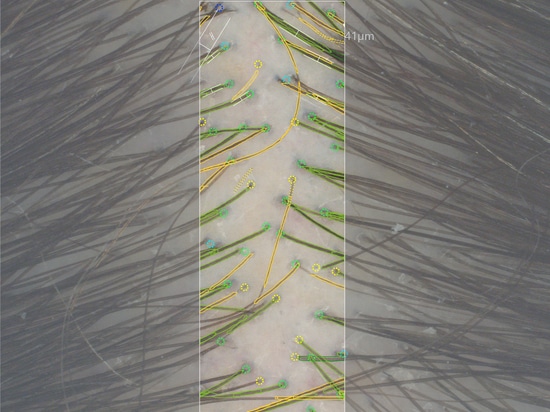
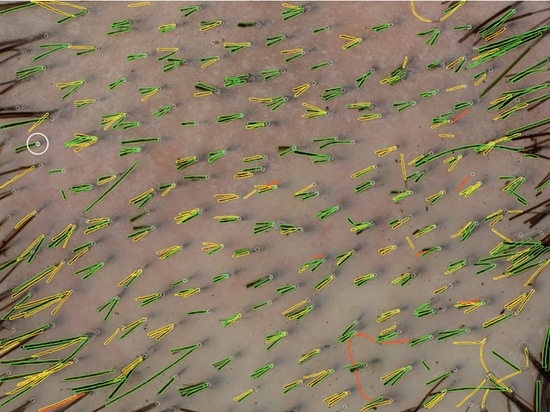
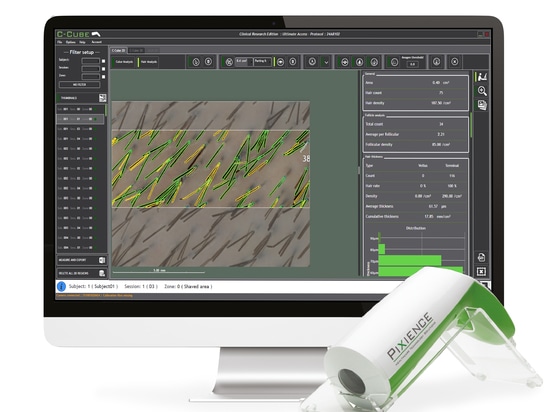
Using automatic segmentation algorithms, C-Cube Clinical Research individually identifies the hairs in the image and distinguishes them from the scalp.
To maintain full control over data quality, the user can correct the software’s proposed segmentation at any time by adding an undetected hair or removing a false detection before the parameters are calculated.
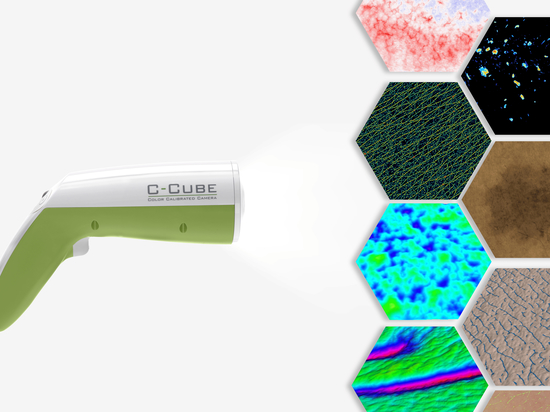
One system for many applications
With C-Cube CR software, you can evaluate the following hair parameters:
- Hair density
- Hair diameter
- Hair length and regrow
- Hair pigmentation
It is also entirely possible to assess parameters related to scalp health:
• Scalp erythema after hair segmentation
• Dandruff and desquamation on D-Squame® or Corneofix® patches
• Sebum on Sebutape® or Sebufix® patches
The software also allows users to define circular or rectangular regions of interest in order to precisely target the areas to be analyzed and improve the reproducibility of measurements.
More reliable analyses and better standardized
For hair regrowth studies, the software also calculates a hair-shaving homogeneity score. This indicator helps verify the quality of the study area’s preparation prior to analysis and helps ensure the accuracy of hair growth measurements.
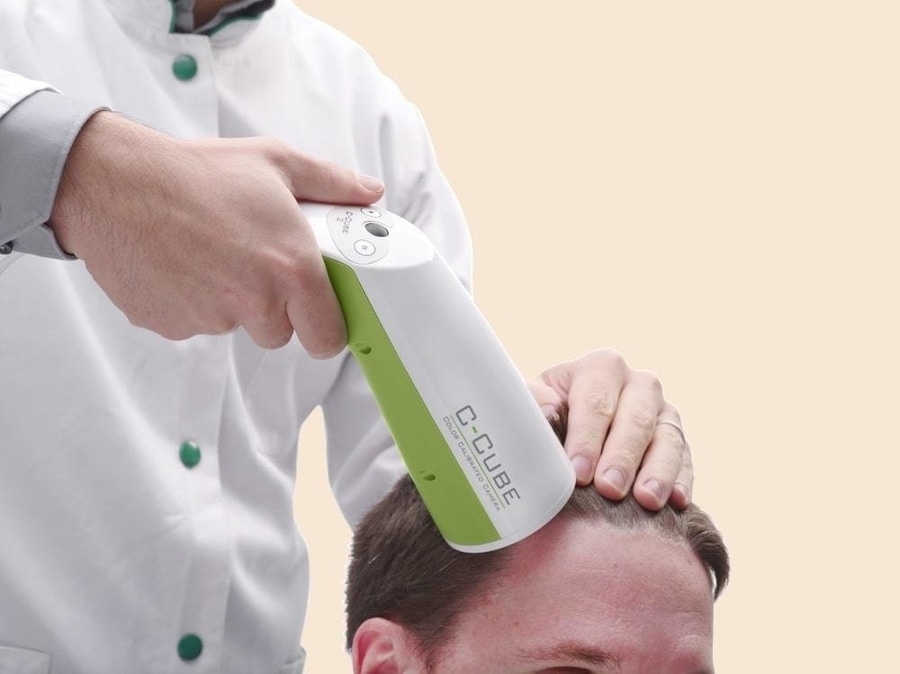
By combining standardized imaging, artificial intelligence, and automated analyses, C-Cube Clinical Research helps laboratories reduce data processing time while enhancing the robustness and reproducibility of results.
This approach allows for the extraction of more information from a single scan and meets the growing demands of modern hair studies.