#Industry News
Fail-safe sterilization: discover the key role of autoclave tests
What are spore tests, Bowie & Dick, Helix, and the vacuum test?
Sterilization is a fundamental process in numerous industries, especially in healthcare and laboratories, where ensuring the elimination of microorganisms is vital for safety and quality. In this context, autoclaves play an indispensable role, ensuring effective sterilization of materials and equipment. To maintain their efficacy and optimal operation, it is essential to periodically perform specialized tests. This article explores four key tests to assess the performance of autoclaves.
The spore test is considered one of the most reliable methods to verify an autoclave's effectiveness. This test uses strips, vials, or ampoules containing heat-resistant bacterial spores, such as those of Geobacillus stearothermophilus. These spores act as biological indicators to verify whether the sterilization process can destroy even the most resistant microorganisms. After exposure in the autoclave, the spores are incubated to check their viability. If no bacterial growth is observed, the sterilization cycle's effectiveness is confirmed.
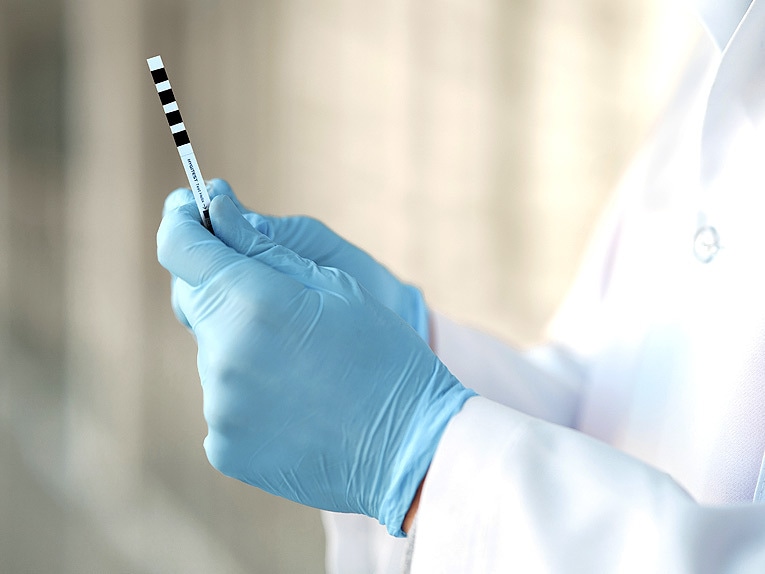
The Bowie & Dick test is designed to evaluate the effectiveness of air removal and steam penetration in the load, determining whether permeable and/or porous items can be sterilized. This test uses a thermosensitive strip or sheet that changes color upon exposure to heat and steam. During the cycle, steam must completely displace air within the autoclave chamber.
The vacuum test is a specific procedure to assess the autoclave chamber's seal and detect potential air leaks. During this test, the autoclave undergoes an unloaded vacuum cycle to measure its ability to maintain stable negative pressure. A successful test ensures there are no pressure losses that could compromise the sterilization process.
The Helix test evaluates the autoclave's ability to sterilize hollow and cavity-containing materials, such as pipes or surgical instruments with internal channels. This test uses a spiral-shaped device that simulates the most challenging conditions for steam penetration. As with the Bowie & Dick Test, thermosensitive indicators are used, changing color if steam successfully penetrates.
These four tests are essential tools to ensure the efficacy and safety of sterilization processes in autoclaves. Each is designed to address specific aspects of autoclave performance, from steam penetration to air removal and leak detection. Regularly conducting these tests not only ensures compliance with regulations but also protects the health and safety of users and patients.