#Product Trends
How Near-Infrared Vascular Visualization Is Shaping the Future of IV Access
-Vivolight
Peripheral intravenous catheter (PIVC) insertion is one of the most routine yet critical procedures in clinical care. However, in patients with difficult venous access—such as children, the elderly, obese individuals, or those receiving long-term IV therapy—locating a viable vein can be time-consuming, stressful, and painful. Multiple failed attempts increase the risk of complications and delay treatment.
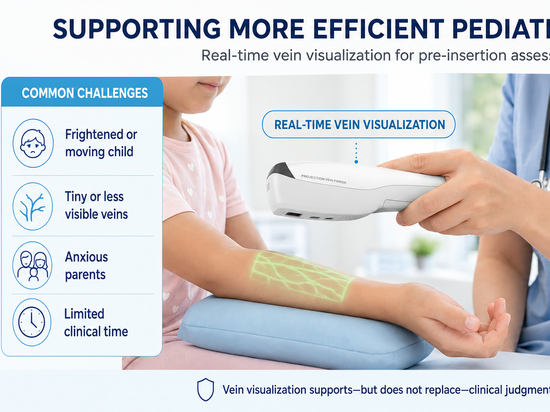
Near-infrared (NIR) vascular visualization technology offers a breakthrough solution, helping healthcare providers “see the unseen” by revealing the exact location and trajectory of superficial veins in real time. This noninvasive imaging method enhances the accuracy and success of IV insertions, especially in challenging cases.
What Is Near-Infrared Vascular Visualization?
Near-infrared vascular visualization works by emitting light in the near-infrared spectrum, which is absorbed by hemoglobin in the blood. The technology captures the reflected light and uses it to generate a live image of the patient’s superficial veins. This image is projected directly onto the skin, allowing clinicians to visually guide the puncture site with precision and confidence.
Key features of NIR technology include:
——Real-time projection of vein maps
——Non-contact, radiation-free operation
——Enhanced visibility even in low-light or emergency settings
Backed by International Guidelines
The effectiveness and importance of vascular visualization are supported by two leading authorities in vascular access and infusion therapy:
Association for Vascular Access (AVA)(https://www.avainfo.org/)
In its 2021 position paper, the AVA strongly advocates the use of visualization technologies such as near-infrared (NIR) and ultrasound as a first-line approach for PIVC insertion when performed by trained personnel.
Highlights from the AVA’s position:
——Improved first-stick success rates
——Reduced patient pain, anxiety, and risk of complications
——Importance of staff training in using visualization tools
——Emphasis on tracking outcomes like catheter dwell time and success on first attempt as part of continuous quality improvement
Read the AVA Position Statement on Visualization Technology
The Use of Visualization Technology for the Insertion of Peripheral Intravenous Catheters(https://cdn.ymaws.com/www.avainfo.org/resource/resmgr/Use_of_Visualization_Technol.pdf)
Infusion Nurses Society (INS)
The 9th edition of the Infusion Therapy Standards of Practice released by the INS in 2024 incorporates vascular visualization as part of its clinical recommendations. It advises clinicians to consider using NIR imaging to locate appropriate venous sites, especially for:
——Patients with difficult venous access (DVA)
——Patients who have experienced failed venipuncture attempts
This approach can reduce procedure time, increase insertion success, and improve patient comfort.
Explore the INS Infusion Therapy Standards of Practice, 9th Edition(https://www.ins1.org/publications/infusion-therapy-standards-of-practice/)
Clinical Use Scenarios
Near-infrared vascular visualization is highly valuable across multiple healthcare environments:
——Emergency Rooms (ER): Rapid venous access under pressure
——Pediatrics: Minimal trauma for children with small, hard-to-find veins
——Oncology and Long-Term Care: Patients with fragile or damaged veins
——Geriatrics: Age-related vein changes and dehydration
——Aesthetic Medicine: Precise vein targeting for injectable treatments
——ICU and Anesthesia: Critical access with limited time and visibility
Why Choose Vivolight Vein Finder?
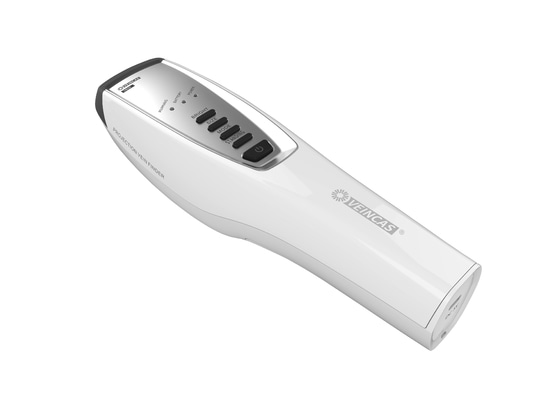
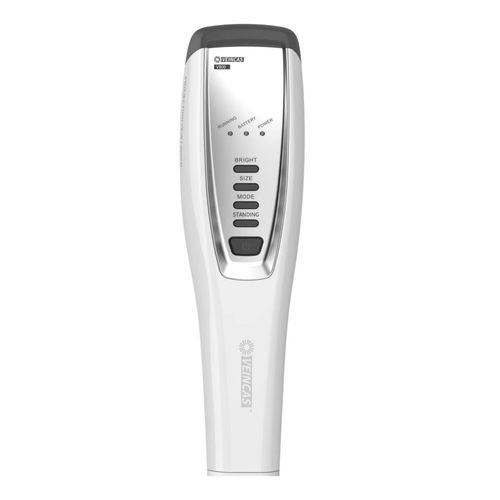
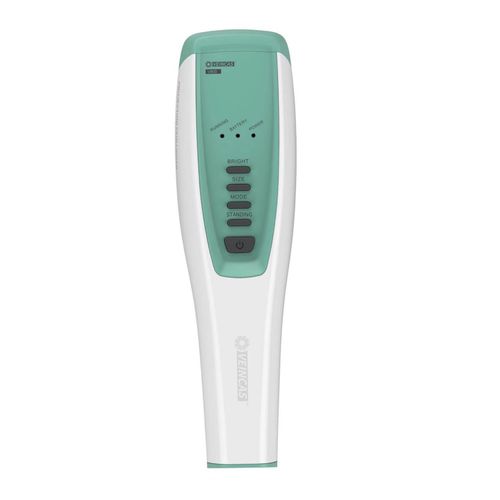
As an innovator in vascular imaging, Vivolight Vein Finder V800P(内链) is proud to be one of the earliest developers of near-infrared vein imaging technology in worldwide. Our devices are:
——No radiation Comfortable Vision
——Far below the emission limits
——Safe for both patients and operators
——Trusted by hospitals, clinics, and humanitarian medical teams worldwide
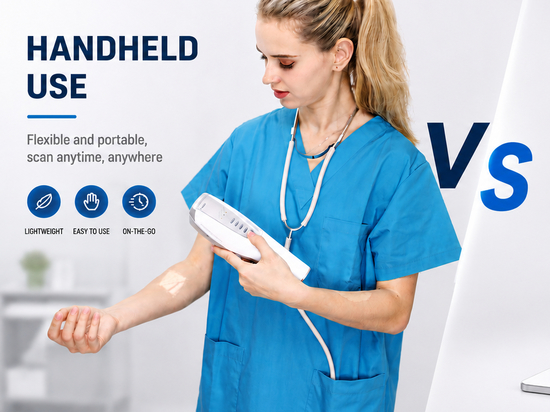
Vivolight’s technology offers high-definition vein projection, intuitive operation, and portable design, making it a reliable tool for both routine and advanced venous access.