
#Industry News
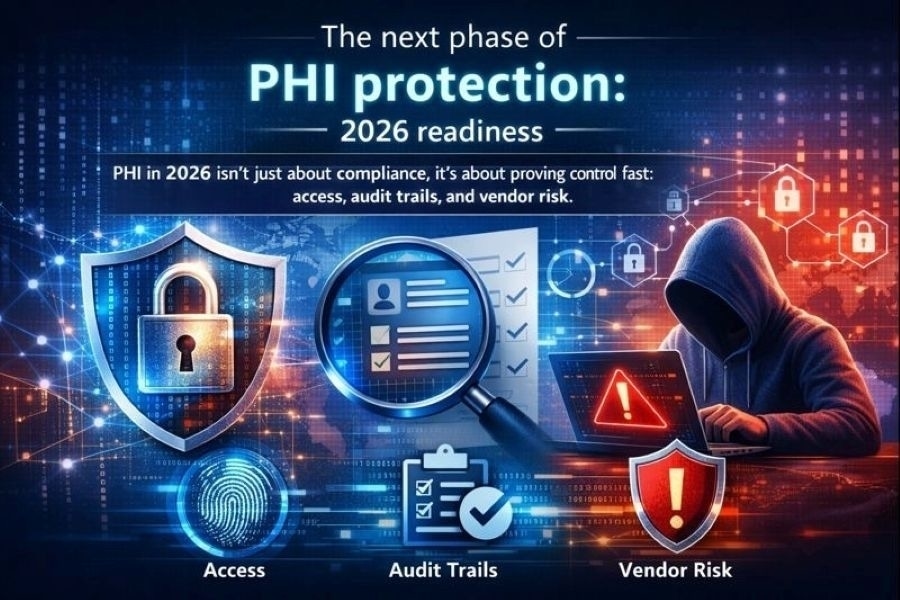
The next phase of PHI protection: 2026 Readiness
PHI in 2026 is all about proving CONTROL FAST, AUDIT TRAILS & VENDOR risk!
In 2026, PHI protection is shifting from “do we have a policy?” to “can we prove control, fast?”
Two things are pushing this hard:
Supply-chain exposure is real. The Change Healthcare incident was reported to impact roughly 190M people, later updated to about 192.7M, and it showed how quickly PHI can cascade across connected providers and vendors.
Healthcare suppliers are being targeted more often. Even in December 2025, NHS-linked software suppliers reported cyber incidents, keeping third-party risk in the spotlight.
What “2026 readiness” looks like in practice for PHI:
current Risk analysis, not annual paperwork (and mapped to real threats like ransomware).
Audit-ready evidence: access logs, change history, and “who did what, when” for sensitive workflows. (OCR’s 2024–2025 audits are emphasizing Security Rule areas tied to hacking and ransomware.)
High-impact controls first: MFA, least privilege, secure backups, and incident readiness aligned with healthcare-specific cybersecurity performance goals.
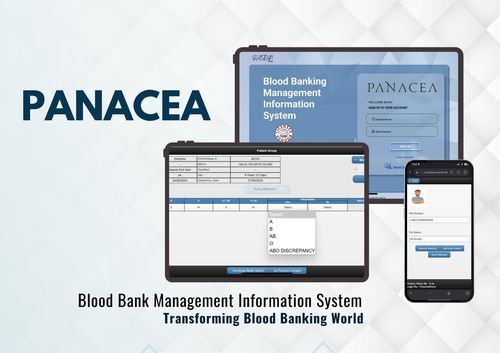
Zaavia is now registered on MedExpo with BBMIS and HEMACODE, and we’ll keep sharing practical PHI-focused steps that actually hold up in audits and real incidents.
If you’re reviewing PHI controls in your BBMIS or labeling workflow for 2026, what’s your biggest concern right now: access control, audit trails, or third-party risk?