#Product Trends
What Does a Red Light Therapy Bed Do?
Learn what a red light therapy bed does, how it works, and why commercial gyms, wellness centers, and clinics invest in full-body red light therapy systems.
Red light therapy beds are no longer niche wellness tools. They are increasingly used in commercial gyms, recovery centers, medical wellness clinics, and high-end spas worldwide. But a common and important question remains: what exactly does a red light therapy bed do—and why are businesses investing in it?
This article explains the function of a red light therapy bed from a biological, operational, and commercial perspective, helping buyers and operators understand not just what it does, but why it matters.
1. What Is a Red Light Therapy Bed?
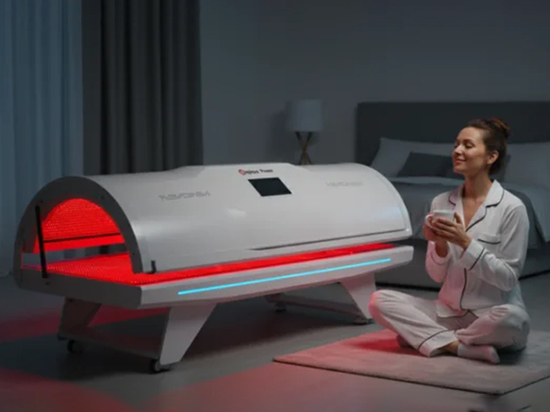
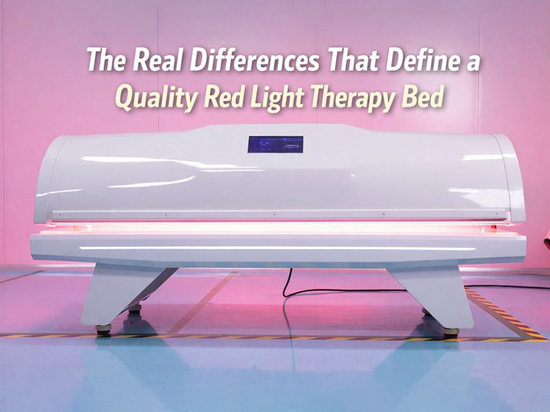
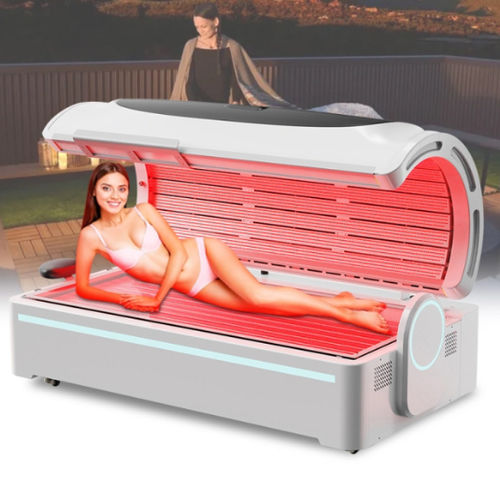
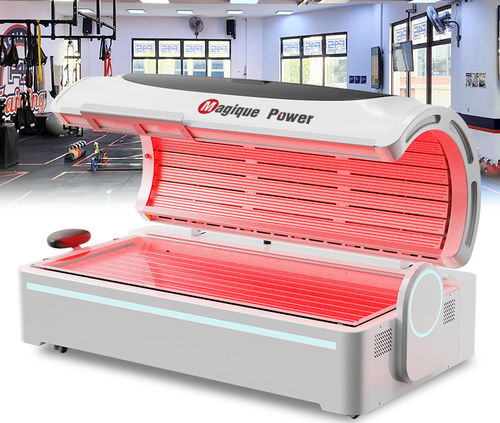
A red light therapy bed is a full-body photobiomodulation device designed to expose the body to specific wavelengths of red and near-infrared light.
Unlike handheld panels or small devices, a red light therapy bed delivers uniform, whole-body exposure in a controlled, enclosed environment. This makes it suitable for high-frequency commercial use, where consistency, efficiency, and user experience are critical.
Typical wavelengths used include:
Red light (around 630–660 nm)
Near-infrared light (around 810–850 nm)
These wavelengths are selected because they can penetrate skin and tissue without causing heat damage.
2. How Red Light Therapy Works in the Body
At a biological level, red light therapy beds work through a process known as photobiomodulation.
When red and near-infrared light reaches the body:
Light photons are absorbed by mitochondria inside cells
This interaction supports cellular energy production (ATP)
Improved cellular efficiency supports natural repair and recovery processes
Rather than forcing a response, red light therapy supports the body’s existing biological functions, which is why it is widely used in wellness and recovery settings.
3. What Does a Red Light Therapy Bed Actually Do for Users?
From a user perspective, consistent exposure in a red light therapy bed may support:
• Muscle recovery and physical performance
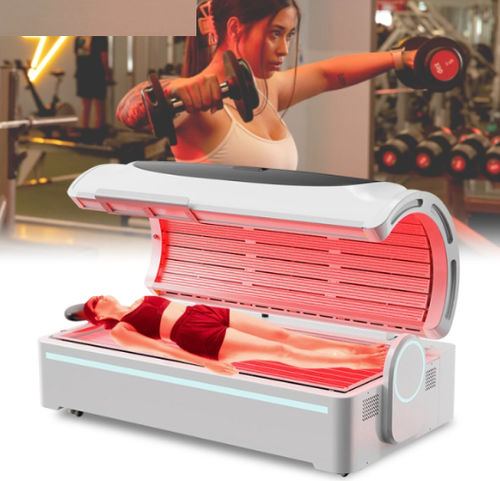
Frequently used in gyms and recovery centers to support post-exercise recovery and reduce perceived muscle fatigue.
• Circulation and tissue support
Near-infrared wavelengths penetrate deeper tissues, supporting blood flow and oxygen delivery at a cellular level.
• Skin and wellness applications
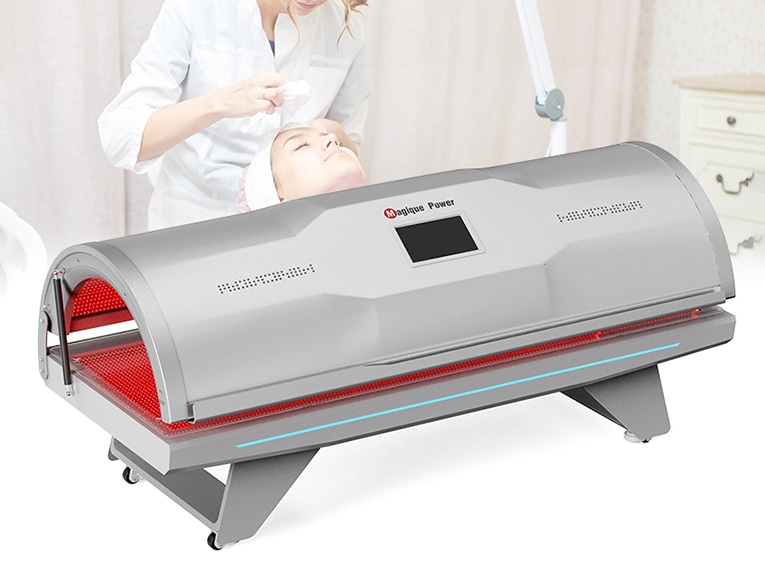
In spa and beauty-focused environments, red light therapy beds are often positioned as part of skin wellness, anti-aging routines, and relaxation programs.
• General wellness and relaxation
Many users report improved relaxation and recovery sensations after sessions, making red light therapy beds suitable for stress-management and wellness routines.
Importantly, in commercial settings, red light therapy beds are positioned as non-invasive wellness tools, not as diagnostic or treatment devices.
4. Why Full-Body Beds Are Different from Panels or Small Devices
A common misunderstanding is that all red light therapy devices function the same way. In reality, bed-style systems offer distinct advantages:
Consistent exposure: The entire body is treated evenly in one session
Time efficiency: Sessions are shorter compared to rotating around panels
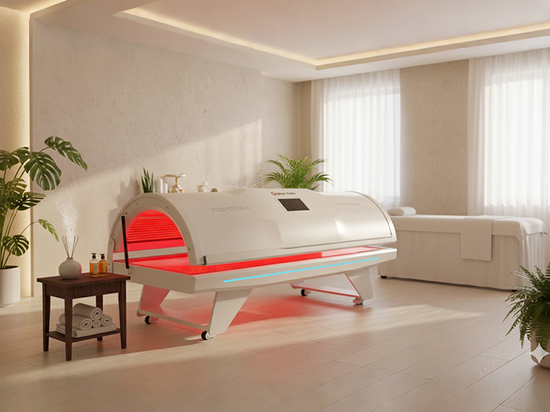
User experience: Enclosed beds create a premium, immersive environment
Operational scalability: Ideal for businesses with multiple daily users
This is why red light therapy beds are preferred in commercial, high-traffic environments rather than home use.
5. What Does a Red Light Therapy Bed Do for Businesses?
From a B2B perspective, the function goes beyond wellness benefits.
A red light therapy bed:
Creates a high-margin service with low consumable costs
Adds a premium offering to gyms, recovery centers, and spas
Increases session-based or membership-based revenue
Enhances brand positioning as a professional wellness provider
For OEM and ODM buyers, it also serves as a platform product—one that can be customized, branded, and adapted to different business models.
6. What a Red Light Therapy Bed Does Not Do
For clarity and compliance, it’s equally important to understand limitations.
A red light therapy bed:
Does not diagnose medical conditions
Does not replace medical treatment
Should not be marketed with disease-curing claims
Responsible manufacturers and operators position red light therapy beds within wellness, recovery, and performance-support categories, especially in global markets with strict regulatory frameworks.
7. Who Typically Uses Red Light Therapy Beds?
Red light therapy beds are commonly used by:
Commercial gyms and fitness chains
Sports recovery and rehabilitation centers
Wellness clinics and longevity studios
High-end spas and beauty centers
OEM/ODM brands building private-label wellness solutions
Each segment may emphasize different benefits, but the underlying function remains the same: supporting the body’s natural recovery and wellness processes through controlled light exposure.
Final Thoughts
So, what does a red light therapy bed do?
It delivers controlled red and near-infrared light to the entire body, supporting cellular energy, recovery, circulation, and wellness—while offering businesses a scalable, high-value service.
For commercial operators and distributors, understanding this function at both a biological and operational level is essential for correct positioning, compliance, and long-term success.