#Product Trends
Ultimate Guide to Red Light Therapy Beds in 2026: Cost, Technology, Science, Risks, and Real Value
A complete 2026 guide to red light therapy beds: cost, benefits, technology, risks, NCBI research, best home-use devices, and what a 10-minute session equals.
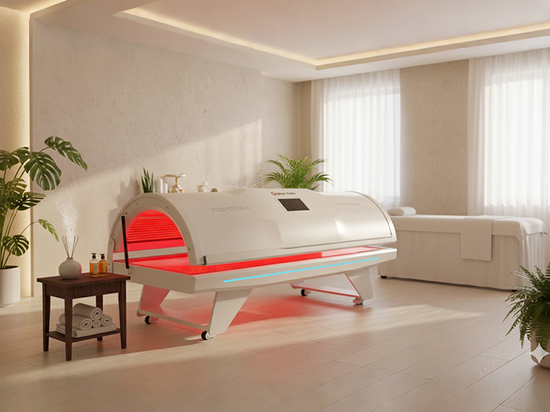
Red light therapy (RLT), also known as photobiomodulation, has entered a new growth phase in 2026, driven by global demand for wellness, athletic recovery, anti-aging solutions, and non-invasive therapies. Light therapy beds—once found only in elite clinics—are now becoming mainstream in spas, gyms, physiotherapy centers, biohacking studios, sports recovery facilities, and premium home wellness setups.
Naturally, search interest around the topic continues to rise:
How much does a light therapy bed cost in 2026?
Is red light therapy worth it today?
What does the latest research say?
Are there risks?
What is the best device for home use?
I. Why Red Light Therapy Is Exploding in 2026
Three global forces define 2026’s wellness landscape:
1. The longevity economy is booming
More consumers invest in non-invasive therapies to improve healthspan, not just lifespan.
2. Sports recovery becomes mainstream
Elite athletes, weekend warriors, and fitness enthusiasts are embracing faster recovery technologies.
3. Technology cost is decreasing while performance increases
Red light therapy beds now offer stronger irradiance, safer engineering, and more wavelengths than earlier models.
This makes red light therapy beds one of the highest-ROI wellness technologies in 2026.
II. The Science Behind Red Light Therapy — What 2026 NCBI Studies Confirm
Updated NCBI literature strengthens earlier evidence, confirming that RLT:
Increases mitochondrial ATP production
Reduces chronic and acute inflammation
Enhances muscle recovery and performance
Stimulates collagen and improves skin elasticity
Improves circulation and metabolic balance
Supports nerve repair and joint mobility
Near-infrared wavelengths (810/850/940 nm) are particularly emphasized in 2026 studies for their deeper penetration and recovery effects.
RLT is no longer “alternative wellness”—it's evidence-backed biomedicine.
III. How Light Therapy Bed Technology Works in 2026
Modern 2026 red light beds are more advanced than models from previous years.
Key improvements include:
1. Higher irradiance output
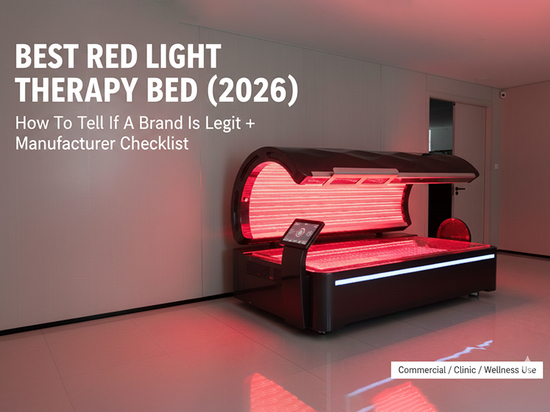
Professional beds now consistently deliver 120–135 mW/cm², enabling stronger biological effects in shorter sessions.
2. Enhanced LED chip efficiency
2026 models use upgraded chip architecture with improved lumen maintenance and lower heat decay.
3. Expanded wavelength combinations
Top-tier beds now integrate 630, 660, 810, 850, and 940 nm—the clinically validated spectrum for full-body therapy.
4. Safer high-power engineering
6000W+ systems are now designed with better cooling and circuit protection.
5. Multi-language smart control systems
Increasingly standard in 2026 for global users.
IV. How Much Does a Red Light Therapy Bed Cost in 2026?
Commercial buyers typically base purchasing decisions on:
irradiance
power (W)
LED chip reliability
certifications (FDA, CE, UL)
wavelength configuration
durability / cooling structure
V. Is a Red Light Therapy Bed Worth It in 2026?
Yes—and even more so than in previous years.
2026 Business Benefits
Higher demand for fast recovery & biohacking services
Growing gym and spa memberships
10–15 min sessions increase turnover efficiency
Low operating cost (<$1 per session)
High-priced monthly memberships ($199–$399)
ROI remains extremely fast: 2–4 months for most businesses
Home Wellness Value
Non-invasive anti-aging
Pain & inflammation relief
Better sleep and recovery
A legitimate alternative to expensive spa memberships
Red light therapy remains one of the best-value wellness technologies of 2026.
VI. How Much Does It Cost to Use a Red Light Therapy Bed?
Operating cost remains extremely low in 2026:
5–6 kWh per hour
~$0.50–$1.20 per 10–15min session
No consumables, minimal maintenance, and long LED lifespan (50,000–100,000 hours).
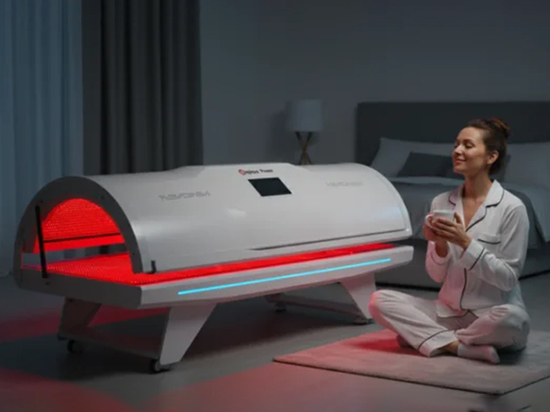
VII. Best Red Light Therapy Devices for Home Use (2026 Edition)
Home-use buyers should prioritize:
full-body vertical panels
80–120 mW/cm² irradiance
dual or multi-wavelength designs
FDA / CE registration
quiet cooling fans
reliable LED drivers
Handheld devices remain supplementary—not primary therapy.
VIII. Downsides of Red Light Therapy (2026 Update)
Although still one of the safest wellness technologies, the following limitations apply:
effects require consistency
cheap devices ≠ professional results
temporary mild warmth or redness
unsuitable for individuals on photosensitive medications
some “home-use models” claim fake irradiance numbers
High-quality engineering removes almost all risks.
IX. What Does 10 Minutes in a Light Therapy Bed Equal in 2026?
With modern irradiance, a 10-minute session equals:
30–40 minutes in older commercial beds
45–60 minutes from standard panels
several sessions using handheld devices
Thanks to 2026 LED and power improvements, treatment efficiency is now higher than ever.
X. Conclusion: Choosing the Right Red Light Therapy Bed in 2026
A professional 2026 light therapy bed should offer:
validated wavelengths
high irradiance
branded LED chips
powerful cooling
safe electrical engineering
global certifications
stable software control
strong manufacturer support
When these conditions are met, a red light therapy bed becomes a safe, science-backed, and high-return investment for both businesses and home users in 2026.