#Industry News
Why I Don’t Recommend Laser Resurfacing in Summer — And When Is the Best Time to Do It?
Why Fall and Winter Are Perfect for Laser SkinResurfacing
Laser resurfacing is a popular aesthetic treatment used to address pigmentation, fine lines, acne scars, and improve overall skin texture. But if you're planning to undergo this treatment, summer might not be the best time—especially for those with fair skin living in regions with strong sunlight. So, why is that? And when should you ideally schedule your session?
Let’s take a look at expert-backed reasons and seasonal insights.
Why You Should Avoid Laser Resurfacing in Summer?
1. UV Exposure Is at Its Peak
After a laser resurfacing session, your skin becomes more sensitive and vulnerable. In summer, UV radiation is significantly stronger, which increases the risk of post-inflammatory hyperpigmentation (PIH)—even if you wear sunscreen diligently.
> Dermatologists warn that any sun exposure after laser treatments can undo results or worsen pigmentation.
2. Melanin Production Increases
Summer heat and sunlight stimulate melanin production, making your skin more reactive to light and heat. This can interfere with your healing process and may lead to uneven tone or dark spots after treatment.
3. Higher Risk of Complications
Sweating, sun exposure, beach trips, and outdoor activities—all common in summer—can increase the risk of infection, inflammation, or scarring after laser procedures.
Why Fall and Winter Are the Ideal Seasons?
1. Lower UV Levels = Safer Healing
In cooler months, sunlight is less intense, and we tend to spend more time indoors. This significantly reduces the risk of sun-related side effects and supports more even, efficient skin recovery.
2. Better Conditions for Skin Recovery
Skin heals best when it’s not under stress. In fall and winter, with less sun and less sweating, your skin can regenerate with fewer disruptions, improving overall results.
3. You're Ready for Spring and Summer
Planning your treatments for the colder months means that by the time spring and summer arrive, your skin will already be healed and glowing, with no risk of delayed pigmentation.
What About Fair Skin (Fitzpatrick I–III)?
Fair-skinned individuals, common in Europe and North America, are especially prone to sun sensitivity and pigmentation changes. For these skin types, even minimal sun exposure after laser can cause visible damage.
That’s why many Western clinics advise scheduling laser resurfacing in low-UV seasons unless strict sun protection can be guaranteed.
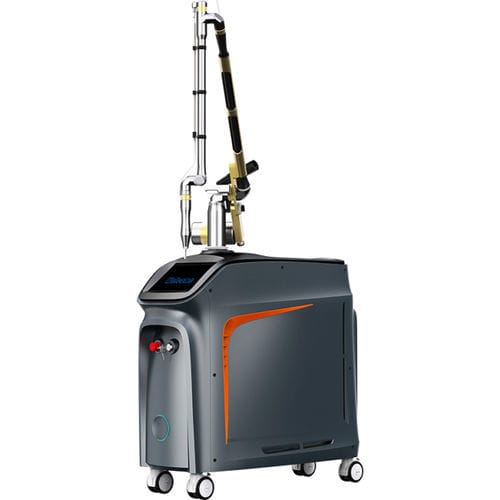
Recommended Device: PZLASER PicoIris™
If you're considering laser resurfacing, especially for pigmentation issues like dark spots or melasma, PZLASER’s PicoIris™ is a smart choice—particularly during the safer fall and winter months.
Key Benefits:
1.Powerful Pigment Removal:
With ultra-short 500ps pulse width and triple wavelengths (532nm / 755nm / 1064nm), PicoIris™ breaks down melanin with precision, effectively treating dark spots, sun damage, and stubborn pigmentation.
2.Safe for All Skin Types:
Uses photomechanical, not thermal, energy—reducing the risk of burns or post-treatment pigmentation, even on fair or sensitive skin.
3.Clinic-Friendly Design:
Lightweight handpieces, intuitive interface, and multiple preset modes make it easy to operate—ideal for busy aesthetic clinics and medispas.
PicoIris™ is FDA and CE certified, making it a trusted solution for professionals aiming to deliver fast, visible results in pigment correction and skin rejuvenation.
Learn more: https://www.pzlaser.com