#Trade Shows & Events
Non-Invasive. High Impact. Discover Why Plasma Skinpro™ Is the New Gold Standard
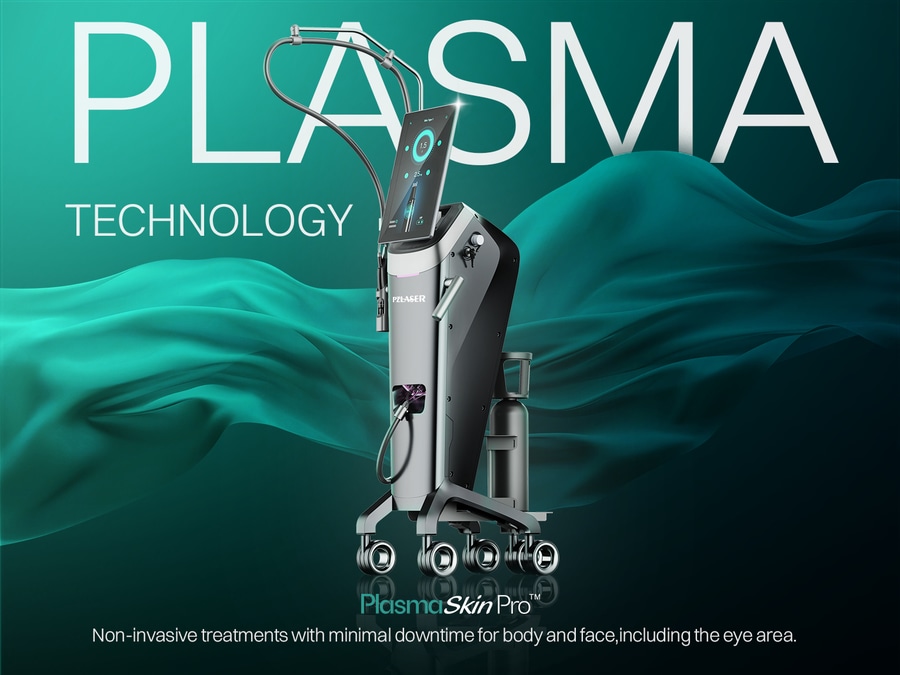
PZLASER & Plasma Skinpro™
1. The Origins of Plasma Technology
Plasma is often referred to as the "fourth state of matter," alongside solids, liquids, and gases. Unlike the other three, plasma consists of a dynamic mix of free electrons, ions, and excited atoms. Naturally occurring in phenomena like lightning and auroras, plasma’s medical applications began in the 20th century, notably in sterilization and wound healing. In aesthetics, it gained traction with the emergence of nitrogen-based plasma systems in the early 2000s, backed by studies in journals like Springer Nature and National Library of Medicine, validating its regenerative effects on the skin.
2. How Plasma Works in Medical Aesthetics
In dermatology, plasma is created by ionizing medical-grade nitrogen gas using high-frequency radiofrequency (RF) energy. This process produces a charged stream of low-temperature, high-energy plasma that interacts with the skin in three distinct phases:
a. Skin Tightening – Immediate tissue contraction through thermal effects.
b. Skin Remodeling – Epidermis remains intact, forming a natural bandage while new skin regenerates beneath.
c. Skin Regeneration – Stimulates fibroblasts, collagen synthesis, and elastin fiber remodeling.
The result is a comprehensive rejuvenation process, improving elasticity, texture, tone, and addressing scars, wrinkles, acne marks, and pigmentation with minimal downtime.
3. Plasma vs. CO₂ Lasers and Picosecond Lasers: What’s the Difference?
>> Energy Source:
Plasma: Ionized gas (plasma stream)
CO₂ Lasers: Light-based laser beam
Picosecond: Ultrashort laser pulses
>> Skin Contact
Plasma: Non-ablative, non-contact
CO₂ Lasers: Ablative, direct vaporization
Picosecond: Non-ablative or semi-ablative
>> Thermal Effect
Plasma: Gentle, uniform heat delivery
CO₂ Lasers: High thermal effect
Picosecond: Mechanical shockwaves
>> Downtime
Plasma: Minimal
CO₂ Lasers: Longer recovery
Picosecond: Short downtime
>>Melanin Dependence
Plasma: No (safer for darker tones)
CO₂ Lasers: Yes (higher PIH risk)
Picosecond: Yes (risk varies)
>> Target Conditions
Plasma: Wrinkles, scars, laxity, tone
CO₂ Lasers: Deep wrinkles, resurfacing
Picosecond: Pigmentation, tattoos
Plasma’s standout feature is that it does not rely on melanin absorption, making it significantly safer for Fitzpatrick skin types III–VI, whereas CO₂ and picosecond lasers carry a higher risk of hyperpigmentation or burns on darker skin.
4. Introducing Plasema Skinpro™ by PZLASER
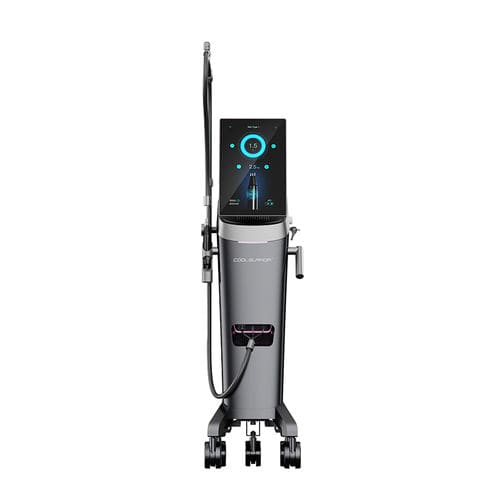
PZLASER’s Plasema Skinpro™ is a cutting-edge nitrogen plasma device engineered for maximum efficacy, comfort, and versatility. It uses 99.99% medical-grade nitrogen gas and converts it via RF energy into a controlled plasma stream. Its key features include:
Wide Energy Range (0.5–4 J): Adjustable for shallow to deep skin treatments.
Three Guide Tip Lengths (36mm, 43mm, 50mm): Enables targeted depth control for various indications.
Built-in Cooling System: Prevents overheating while ensuring energy precision.
Non-Ablative Mechanism: Preserves the epidermis, reducing the risk of scarring or infection.
5. Conclusion
Compared to traditional laser systems, Plasma offers greater safety, broader treatment versatility, and minimal discomfort. PZLASER’s Plasema Skinpro™ stands out in this field by combining precise engineering, clinical versatility, and an exceptional safety profile—making it a smart investment for modern aesthetic clinics aiming to deliver visible results with minimal recovery time.