#Product Trends
Silicone Ventilator Tubing: A Smarter Choice for ICU Safety
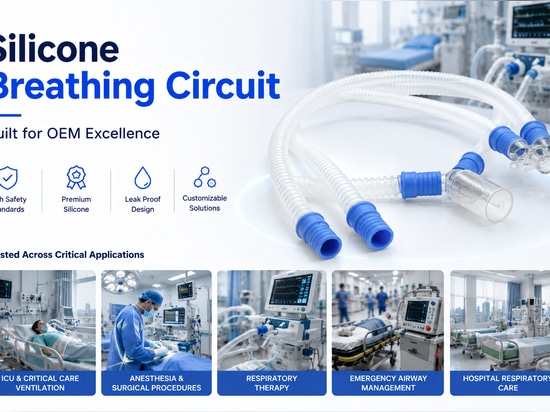
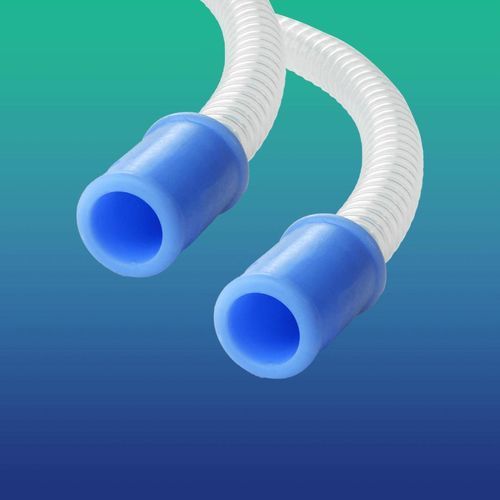
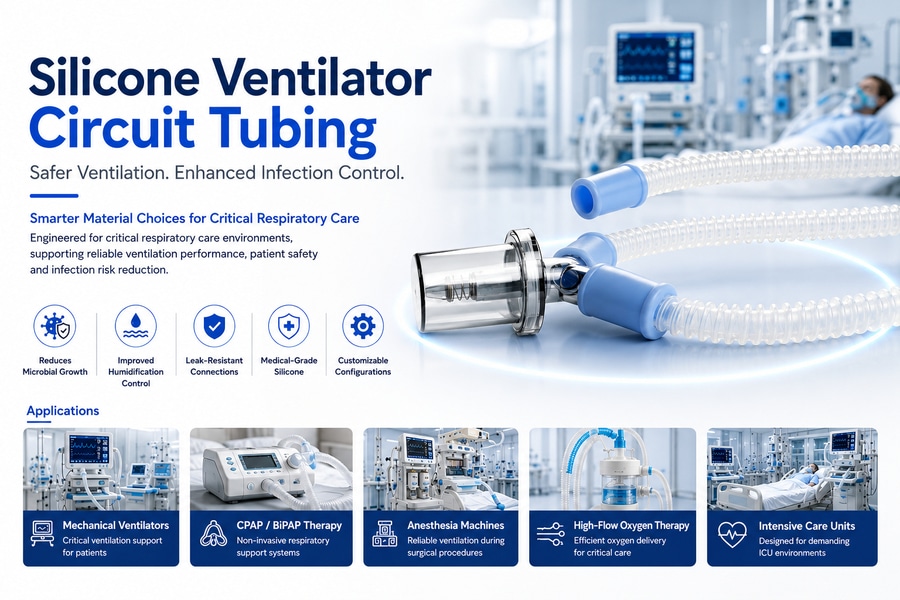
Advanced Silicone Ventilator Circuit Tubing for Safer Critical Care
In Intensive Care Units (ICUs), patient safety is a top priority
— and infection prevention remains one of the most critical challenges. Among the various infection control strategies, the design and material of respiratory support equipment play a pivotal role. One key innovation in this area is the use of medical-grade silicone ventilator circuit tubing, which offers significant advantages over conventional materials like PVC.
UNDERSTANDING ICU- ASSOCIATED INFECTIONS (HAIS)
Ventilator-Associated Pneumonia (VAP) is one of the most common healthcare-associated infections in ICUs. It is typically caused by the colonization of harmful bacteria in the airway or within ventilator tubing. The longer the intubation period, the higher the risk. Therefore, choosing the right tubing material can help mitigate microbial growth and improve patient outcomes.
WHY SILICONE? MATERIAL MATTERS
Silicone, especially platinum-cured medical-grade silicone, brings a unique set of properties that make it ideal for ventilator circuits:
✅ Biocompatibility: Non-toxic, hypoallergenic, and safe for prolonged contact with patient tissues.
✅ Smooth Inner Surface: Reduces biofilm formation and bacterial colonization.
✅ Thermal Stability: Can withstand repeated sterilization cycles (autoclave, ETO, gamma).
✅ Flexibility & Memory Retention: Ensures easy handling while maintaining shape and lumen integrity.
Infection Control Benefits of Silicone Ventilator Tubing
1. Reduces Microbial Growth
Silicone's inert and smooth surface reduces the adhesion of pathogens. This minimizes the risk of
contamination, especially in closed-loop ventilator systems, where moisture and secretions are common.
2. Enhanced Serializability
Unlike PVC, silicone can be sterilized multiple times without degrading. This allows for safe reuse in some clinical setups and minimizes the chances of cross-infection between patients.
3. Improved Humidification Control
Silicone tubing has better thermal insulation, helping maintain consistent humidification levels in ventilated air, which supports mucosal health and reduces infection susceptibility.
4. Customizable & Leak-Resistant Connections
Tight, leak-proof joints and custom connector options in silicone tubing prevent air leaks, reducing the need for tube adjustments that may expose the circuit to airborne pathogens.
Applications in Modern ICU Setups
Mechanical ventilators (invasive and non-invasive)
CPAP/BiPAP machines
Anesthesia machines
High-flow oxygen therapy systems
Why Choose AMI Polymer’s Silicone Ventilator Circuit Tubing?
At Ami Polymer Pvt. Ltd., our silicone ventilator circuit tubing is:
✅ Manufactured using USP Class VI & ISO 10993 compliant silicone
✅ Available in customized size
✅ Designed for custom connector fittings
✅ Compatible with both reusable and disposable setups
✅ Produced under ISO 13485 certified cleanroom conditions
✅ Soft, Flexible Design: Minimizes discomfort during long-term use.
✅100% Medical-Grade Silicone: Ensures exceptional biocompatibility, flexibility, and durability.
✅ Sterile Packaging: Our products are packed in sterile, individually-sealed packaging to maintain hygiene and ensure safety during use.
We offer tailor-made solutions for OEMs, hospitals, and device manufacturers seeking advanced respiratory components that align with infection control protocols.
Conclusion
Preventing ICU infections goes beyond surface cleaning and hygiene practices — it starts with the materials we choose. Silicone ventilator circuit tubing provides a safe, durable, and reliable alternative that helps protect critically ill patients from preventable infections.
As healthcare moves toward more sustainable and patient-centered solutions, silicone is set to play a growing role in ensuring respiratory safety.