#Product Trends
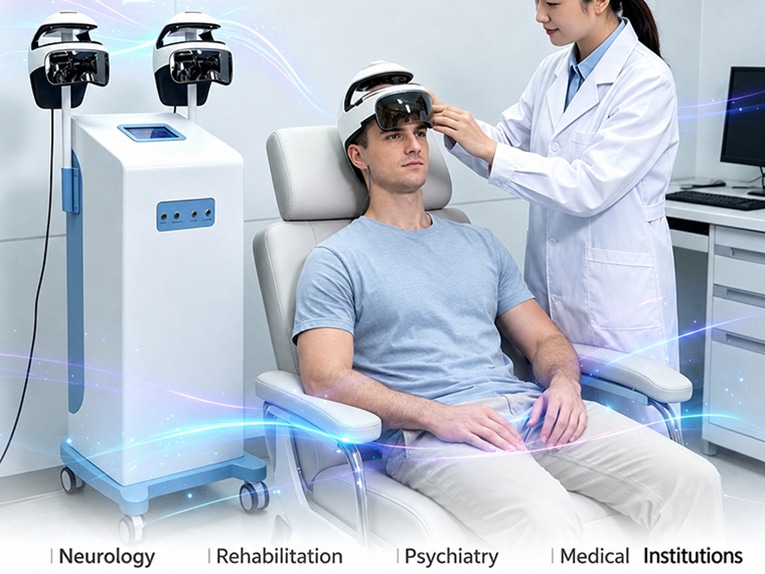
YK-7000E Weak Magnetic Transcranial Magnetic Stimulation Therapy Device
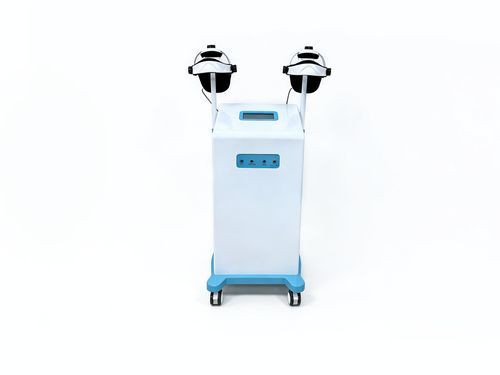
The YK-7000E is a trolley‑based, dual‑channel transcranial magnetic stimulation (TMS) device developed by Jiangsu Yikang Electronic Technology Co., Ltd.
Product Overview
The YK-7000E is a trolley‑based, dual‑channel transcranial magnetic stimulation (TMS) device developed by Jiangsu Yikang Electronic Technology Co., Ltd. , designed specifically for repetitive transcranial magnetic stimulation (rTMS) applications. It creates a three‑dimensional magnetic therapy network that stimulates the central nervous system and supports neurological rehabilitation through a completely non‑invasive approach.
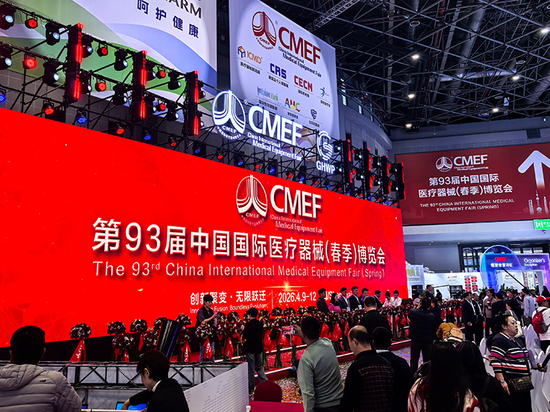
Jiangsu Yikang, a high‑tech medical device enterprise with over 20 years of industry experience, holds ISO9001 and CE certifications along with its own import/export license, with products exported to Southeast Asia, Europe, the Middle East, and South America. The company has also participated in CMEF (China International Medical Equipment Fair) to expand global partnerships, offering OEM/ODM customization, bulk procurement, and regional distribution models.
Key Technology: Understanding the "Weak Magnetic Field"
One of the core distinguishing features of the YK-7000E is its dual‑mode magnetic intensity output, which includes a dedicated weak magnetic field mode—a critical advantage for international markets where the concept of "weak magnetic rTMS" is gaining recognition.
Definition and Mechanism
The "weak magnetic field" in rTMS refers to low‑intensity pulsed magnetic fields generated by the treatment coil acting on the cerebral cortex. Unlike the high‑intensity fields used in MRI or some diagnostic equipment, the weak magnetic field in Yikang's rTMS devices is precisely controlled within a safe and effective range (the device's magnetic therapy intensity is adjustable from 3mT to 30mT, with weak mode: 3mT–15mT and strong mode: 15mT–30mT).
Based on the principle of electromagnetic induction, the device releases an instantaneous stable current from a high‑voltage capacitor to the treatment coil worn on the scalp, generating a pulsed magnetic field. This field penetrates the scalp and skull with minimal attenuation, inducing tiny secondary currents in the cerebral cortex that regulate nerve cell membrane potentials, enhance neuronal activity, and improve cerebral metabolism.
Why "Weak" Matters for Clinical Practice
The weak magnetic field embodies the principle of "precise regulation rather than strong stimulation" . Key advantages include:
Feature Benefit
Safety & Non‑invasiveness Radiation‑free, painless, non‑traumatic; minimal side effects; suitable for long‑term treatment across all age groups including elderly and pediatric patients
Adjustability & Personalization Magnetic intensity, stimulation frequency (0.01–50 Hz), vibration intensity, and duration can be tailored to individual patient conditions, age, and differences
Targeted Efficacy Can specifically regulate abnormal neuronal discharge patterns in target brain regions; effective for sleep disorders, depression, post‑stroke rehabilitation, Parkinson's disease, and other conditions
Scientific Evidence Base
Recent research supports the biological mechanisms behind weak magnetic stimulation. Studies have shown that low‑intensity rTMS can promote axonal growth and synapse formation, repairing damaged neural circuits—a process dependent on specific stimulation patterns (such as intermittent theta‑burst stimulation, iTBS) and the involvement of cryptochrome proteins that act as "gateways" for magnetic signal entry into cells. Additionally, low‑frequency (1Hz), low‑intensity (20mT) weak magnetic stimulation has been shown to improve mood and cognitive function in depression models by upregulating synaptic function proteins in the hippocampus. Some clinical trials have reported remission rates of up to 50% for depression within six weeks using weak‑intensity deep brain magnetic stimulation.
The YK-7000E combines three complementary non‑invasive technologies working in synergy:
1. rTMS Magnetic Stimulation
Non‑invasive, no surgery or puncture required
Precisely targets specific areas of the cerebral cortex
Gentle physical effect, suitable for long‑term clinical applications
2. Bio‑Electrical Analog Stimulation (Retro‑auricular)
Electrodes positioned behind the ear to precisely target the cerebellar parietal nucleus
Simulates physiological electrical signals for high compatibility and reduced nerve tissue stress response
Adjustable intensity, frequency, and other stimulation parameters
3. Magnetic Therapy Cap Technology
Integrated multiple magnetic therapy units for multi‑target stimulation
Ergonomic, flexible, and comfortable with adjustable size
Controllable magnetic field parameters with precise intensity and duration settings
Clinical Applications
The YK-7000E is indicated as an adjunctive therapy for:
Ischemic cerebrovascular disease
Neurasthenia (neurosis characterized by mental and physical exhaustion)
Brain injury‑related conditions (traumatic brain injury and post‑stroke rehabilitation)
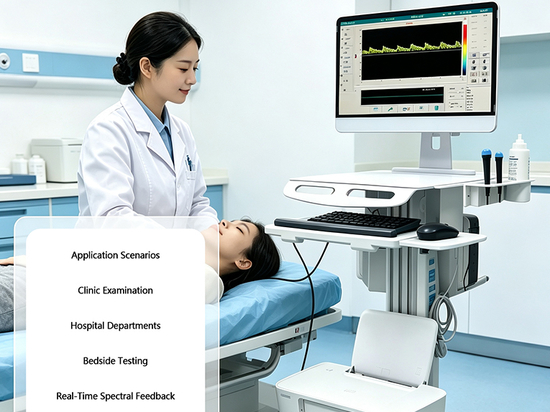
It is suitable for use across multiple clinical settings including psychiatric departments (drug‑resistant depression), neurological rehabilitation centers, and research institutions studying neuroplasticity.