#Industry News
ACL Rehabilitation: From Assessment to Data-Driven Return to Sport
How objective assessment technologies help clinicians guide and validate every stage of recovery after an anterior cruciate ligament injury.
Anterior Cruciate Ligament (ACL) rehabilitation remains one of the greatest challenges in sports medicine. Despite increasingly standardized rehabilitation protocols, only 55% of athletes successfully return to their pre-injury level of performance following ACL reconstruction. Reinjury rates also remain significant, particularly among younger athletes.
Today, rehabilitation decisions can no longer rely solely on time-based milestones. Instead, clinicians are increasingly adopting objective, data-driven criteria to evaluate strength, motor control, balance, power, and functional performance throughout the recovery process.
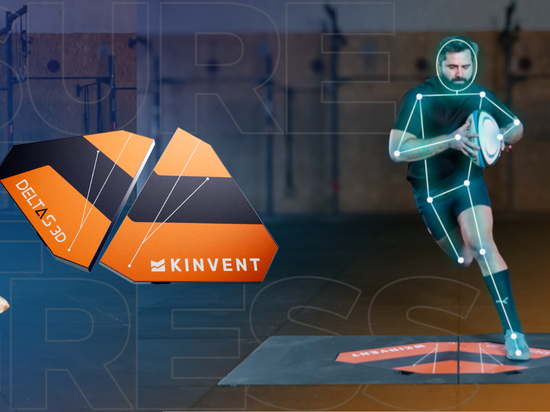
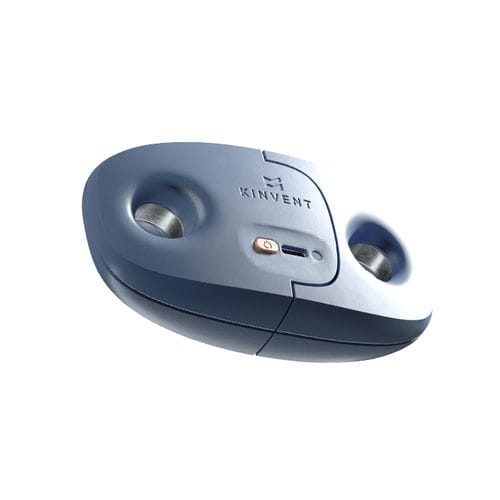
Connected assessment technologies are playing a key role in this evolution. Dynamometry, surface electromyography (EMG), force plates, and movement analysis provide clinicians with precise, measurable insights that help monitor progress and support evidence-based return-to-sport decisions.
In this article, explore the key phases of ACL rehabilitation, the most important functional criteria to assess, and how objective measurement technologies can help optimize recovery while reducing the risk of reinjury.