#Industry News
Ankle Sprain Rehabilitation: Toward a More Objective and Individualized Approach
How connected assessment tools help monitor pain, mobility, strength, and neuromuscular control throughout recovery.
Ankle sprains are among the most common injuries in sports medicine, yet they are still too often underestimated. Poorly managed rehabilitation can lead to recurrent sprains, chronic ankle instability, and long-term functional limitations that affect both performance and daily activity.
Today, ankle sprain rehabilitation can no longer rely solely on time-based progression or subjective symptoms. It is increasingly structured around objective criteria used to assess pain, restore range of motion, rebuild muscle strength, improve postural control, and safely reintroduce dynamic loading.
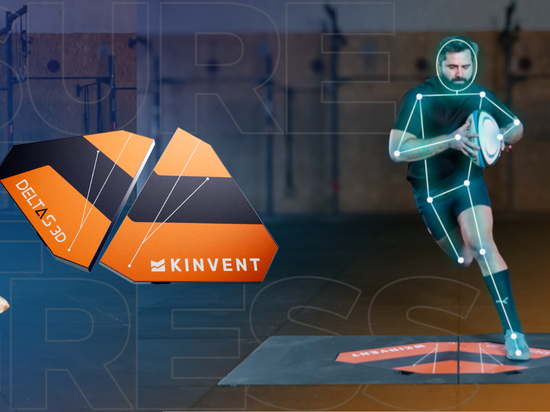
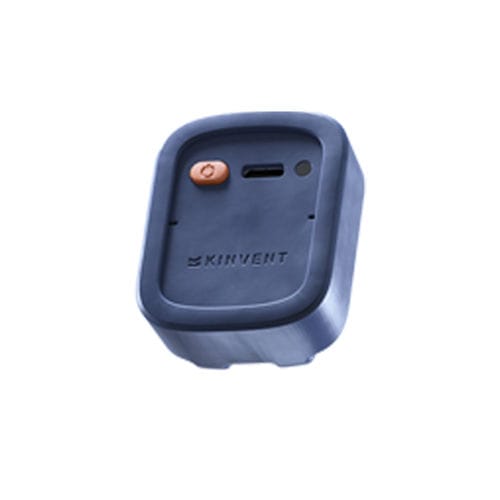
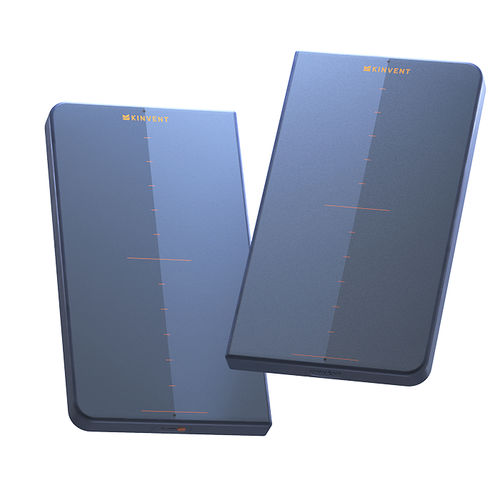
In this context, connected assessment technologies are playing an increasingly important role. Dynamometry, force plates, motion sensors, and neuromuscular biofeedback provide clinicians with measurable data to better understand post-injury deficits, track progress across each rehabilitation phase, and support more informed return-to-activity decisions.
In this article, discover the key stages of ankle sprain rehabilitation, the main criteria to monitor at each phase, and how objective assessment technologies can help optimize recovery and reduce the risk of recurrence.