#Industry News
Prevention of Musculoskeletal Disorders: From Ergonomics to Active Rehabilitation
How objective assessment, active rehabilitation, and long-term monitoring can help prevent musculoskeletal disorders and reduce the risk of recurrence.
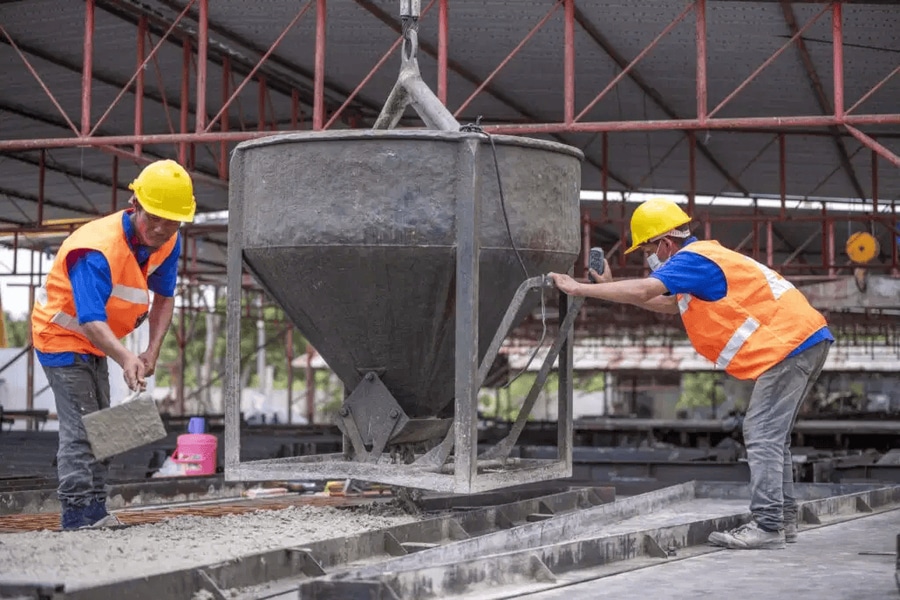
Musculoskeletal disorders (MSDs) are a major occupational health challenge worldwide, affecting muscles, tendons, joints, and nerves. Often associated with repetitive movements, prolonged postures, and physical demands, these conditions can significantly impact mobility, work performance, and quality of life.
While workplace ergonomics remains essential, it is not always sufficient for long-term prevention. A more comprehensive approach also focuses on assessing and improving physical capacity, including muscle strength, mobility, stability, and the ability to tolerate physical loads.
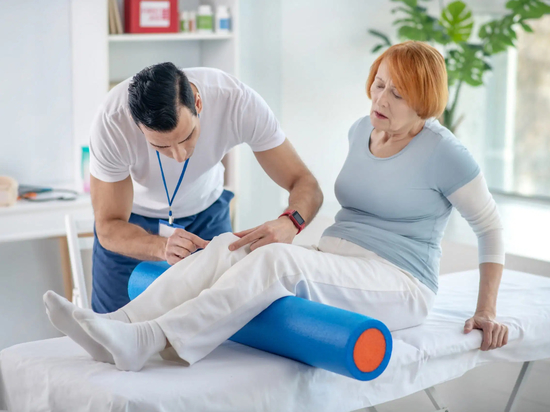
Managing musculoskeletal disorders generally involves three complementary stages: pain management and protection, active rehabilitation to restore functional capacity, and long-term prevention through targeted strengthening and regular monitoring.
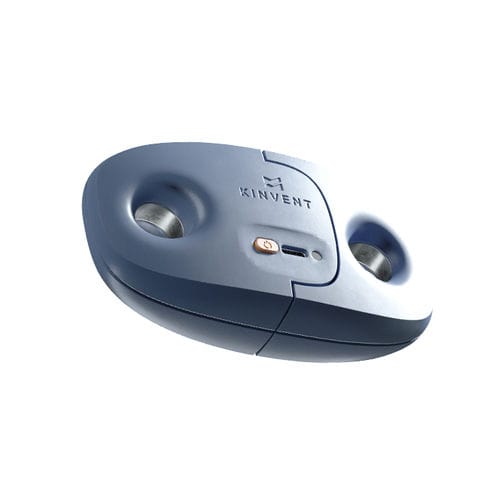
Connected assessment tools, such as KINVENT solutions, help clinicians objectively identify strength deficits, mobility limitations, and asymmetries. Combined with real-time biofeedback, these measurements support individualized exercise programs, progress monitoring, and greater patient engagement.
Discover the main risk factors for musculoskeletal disorders and practical prevention strategies in our article, combining workplace ergonomics, objective assessment, therapeutic exercise, and long-term follow-up.