#Industry News
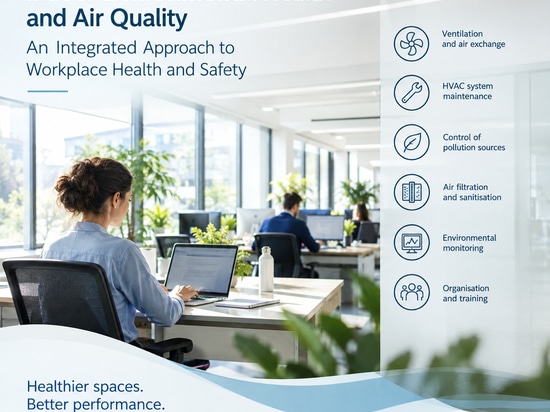
Indoor Environmental Health and Air Quality
An Integrated Approach to Workplace Health and Safety
Indoor environmental health and air quality are essential to protecting human health, particularly in workplaces, where people spend a significant part of their time.
Indoor environments can accumulate chemical, physical and biological contaminants, including VOCs, particulate matter, allergens, mould, bacteria and viruses. Prolonged exposure may cause irritation, respiratory problems, headaches, fatigue and symptoms associated with Sick Building Syndrome.
To ensure healthier indoor environments, an integrated indoor air quality management strategy is essential. It should include:
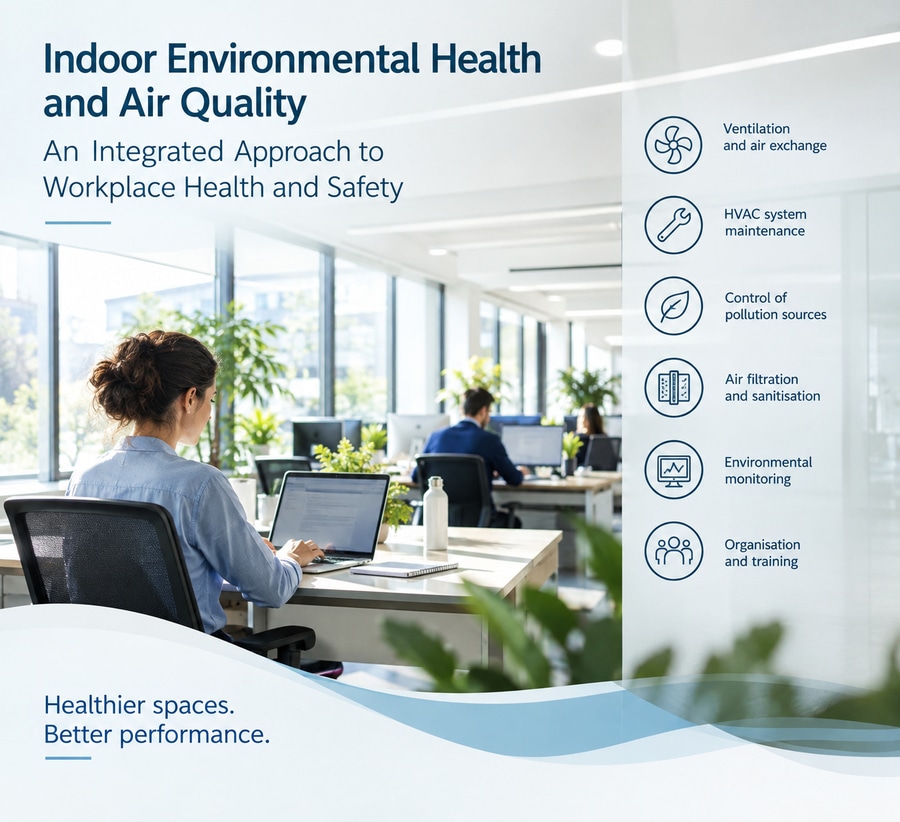
- Adequate ventilation and air exchange, tailored to the characteristics of each space and its occupancy levels.
- HVAC system maintenance, to prevent contaminant build-up and poor hygienic conditions.
- Control of pollution sources, through the selection of low-emission materials and the appropriate use of cleaning products.
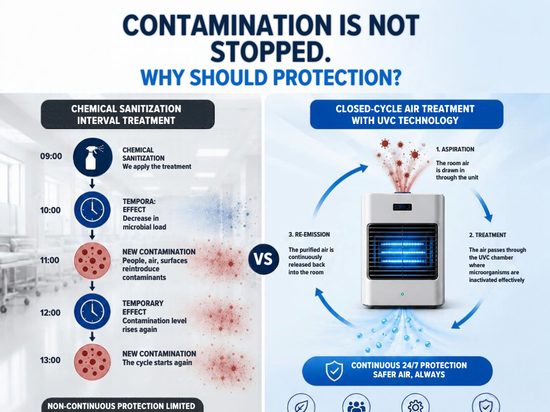
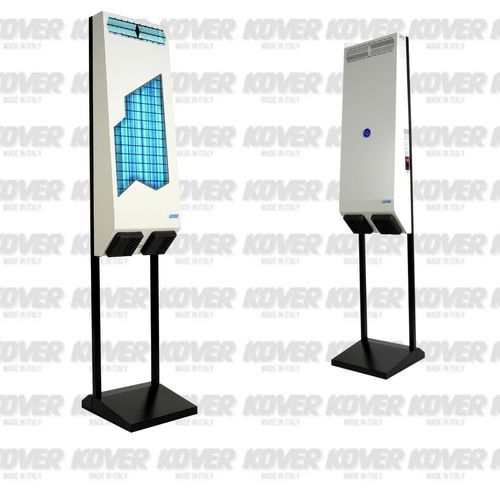
- Air filtration and sanitisation, using technologies suited to the contaminants being targeted and the specific application.
- Environmental monitoring, using sensors to measure parameters such as CO₂, temperature, humidity and particulate matter, helping to identify potential issues promptly.
- Organisational procedures and training, ensuring that maintenance, cleaning and occupant behaviour contribute effectively to prevention.
Indoor biosafety is therefore not simply about eliminating microorganisms. It requires a coordinated system of technical, organisational and behavioural measures.
In the workplace, Italian Legislative Decree No. 81/2008 provides the regulatory framework for assessing and managing chemical and biological risks, addressed respectively under Titles IX and X. Risk assessment should take into account the characteristics of the environment, the activities carried out, occupancy density and the vulnerability of exposed individuals.
Indoor air quality must be managed through prevention, risk assessment and continuous monitoring.
There is no single solution suitable for every environment: ventilation, maintenance, filtration, sanitisation and pollution source control must be integrated according to specific needs.
The goal is to create safer and more comfortable workplaces, protect occupants’ health, and promote well-being and productivity.
Healthy indoor environments start with informed decisions, integrated strategies and a commitment to prevention.
#IndoorAirQuality #IndoorEnvironmentalQuality #EnvironmentalHealth #IndoorBiosafety #WorkplaceHealthAndSafety #AirSanitisation #AirFiltration #HVAC #Ventilation #AirQualityMonitoring #HealthyBuildings #OccupationalHealth #PreventiveHealth #BuildingHealth #KOVER