#Industry News
New reference standards for exercise cardiac MRI by age and sex
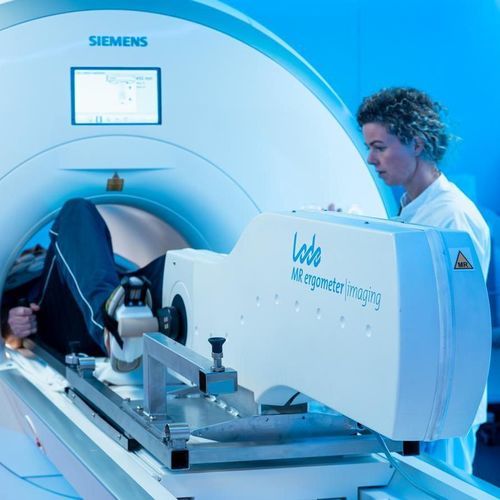
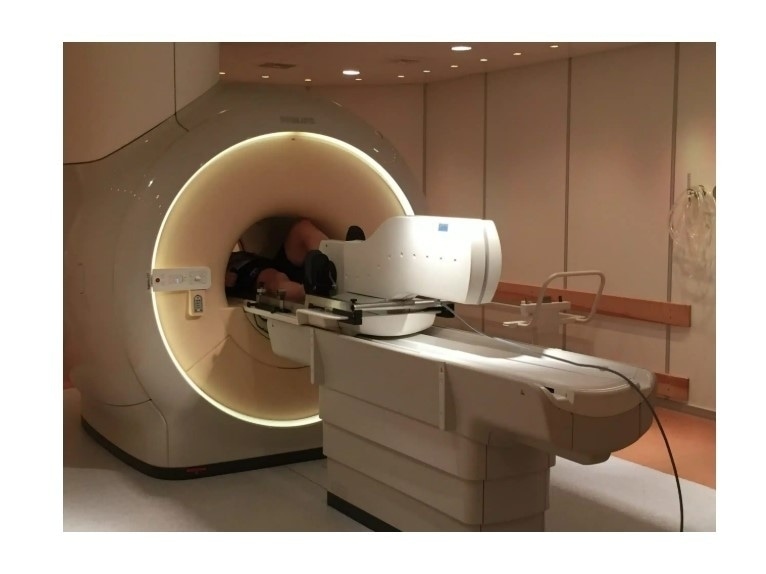
Lode MR Ergometer used for study
Recent research has shown the added value of exercise-based cardiac MRI as part of a clinical protocol using the Lode MR Ergometer. In comparison with pharmacological stress, physical exercise demonstrated higher diagnostic sensitivity while avoiding the need for drugs and their associated limitations when exercise is feasible.
Clinical feasibility
The study demonstrates that exercise cardiac MRI can be performed with commercially available equipment and vendor-provided sequences, confirming that the technology is already accessible in clinical environments. Exercise testing was smoothly integrated into a contrast-enhanced cardiac MRI protocol, enabling a comprehensive evaluation of structure, function, and tissue characterization. This methodology reflects current clinical practice and can be readily adopted more widely.
Normative reference data
A key contribution of the study is the introduction of reference ranges stratified by age and sex. These data allow clinicians to interpret exercise CMR findings with greater reliability, by distinguishing normal physiological responses from disease. With normative data now available, exercise cardiac MRI is positioned as a non-pharmacologic, cost-effective method that can be more easily integrated into both research and routine clinical workflows.
Clinical Impact
By combining established MRI protocols with exercise testing, the study demonstrates that exercise CMR is a robust and clinically relevant addition to cardiovascular diagnostics. The Lode MR Ergometer plays a central role in enabling this methodology, offering precise and artefact-free exercise inside the MRI environment.
Read the full article and find more details about the Lode MR Ergometer via the link below.