#Product Trends
Dynamic vs. static baropodometry: Specific applications in podiatric diagnosis
In this article, we analyze the characteristics, ventilation and applications specific to each modality, proportioning keys for correct implementation in clinical practice.
Baropodometry analysis has established itself as a fundamental tool in modern podiatric practice, allowing for the objective assessment of plantar pressures. This technology has revolutionized biomechanical diagnosis by providing quantifiable data on load distribution in the foot, both under static and dynamic conditions. However, the choice between static and dynamic baropodometry continues to generate doubts among many professionals. In this article, we will analyze the characteristics, advantages, and specific applications of each modality, providing keys to its correct implementation in daily clinical practice.
Technical fundamentals: What does each modality measure?
Static baropodometry:
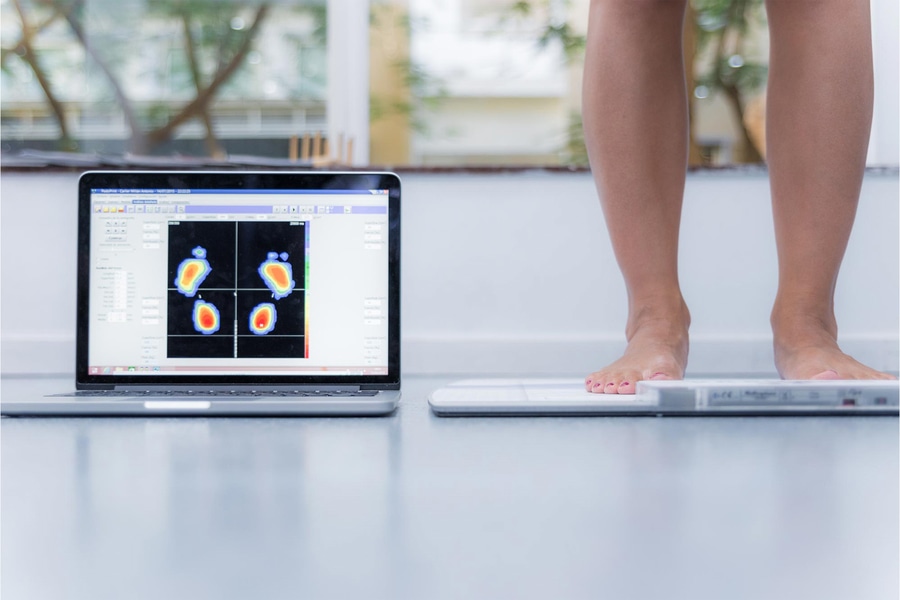
Static baropodometry analysis evaluates the distribution of plantar pressures when the patient remains standing without moving. This modality allows for recording:
- Percentage load distribution between both feet
- Pressure ratio between forefoot and hindfoot
- Arch behavior under load
- Center of pressure stability
- Postural oscillations
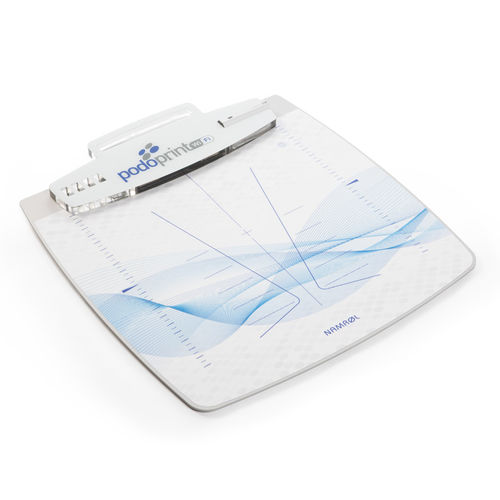
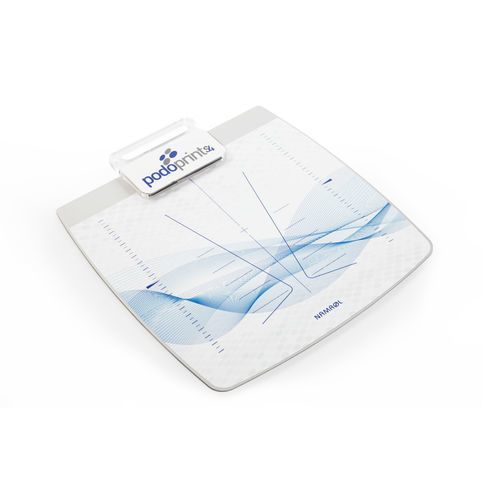
Advanced pressure platform systems, such as the Podoprint WiFi, allow these variables to be visualized using color-coded pressure maps, facilitating both technical analysis and explanation to the patient.
Dynamic baropodometry:
Dynamic analysis, on the other hand, records the evolution of plantar pressures during the complete gait or running cycle. This modality provides information on:
- Time sequence of plantar contact
- Maximum pressure peaks in each anatomical region
- Contact times by zone
- Progression of the center of pressure (Herzmark line)
- Foot behavior during the different phases of gait
- Dynamic compensations not noticeable in static movements
The ability of modern platforms to capture high-frequency images allows for precise analysis of even rapid movements such as running, providing data of great diagnostic value.
Specific applications in podiatric diagnosis
Preferred indications for static baropodometry
Static analysis is particularly valuable in:
1. Postural assessment:
Static baropodometry allows for the detection of alterations in load distribution related to ascending or descending postural problems. It is especially useful for:
- Lower limb leg length discrepancies
- Scoliosis
- Pelvic disorders
- Postural compensations
Recording multiple captures in different positions (relaxed, corrected, with compensations) allows for the assessment of the impact of these disorders on the base of support.
2. Patients with compromised balance:
In geriatric, neurological, or vestibular patients, static analysis provides valuable information on:
- Stability of the center of pressure
- Risk of falling
- Effectiveness of orthotic treatments
Quantifying postural oscillations using stabilometry, a feature available on advanced platforms, allows for objective monitoring of progress.
3. Structural pathology assessment:
Structural foot deformities present characteristic patterns in static tests:
- Pes cavus: increased pressure on the heel and forefoot with midfoot offloading
- Pes planus: increased pressure on the medial midfoot
- Hallux valgus: altered load distribution in the first ray
Static analysis allows these abnormalities to be quantified and their severity to be objectively assessed.
Preferred indications for dynamic baropodometry
Dynamic analysis is irreplaceable in:
1. Study of Functional Pathologies
Many functional disorders only manifest during gait:
- First ray insufficiencies
- Alterations in the toe-off pattern
- Excessive pronation or supination during stance
- Joint functional limitations
The dynamic nature of these problems means they are only detectable through motion analysis.
2. Metatarsal Overload Assessment:
Metatarsalgia, one of the most frequent complaints in podiatry, requires dynamic analysis to:
- Accurately identify overloaded metatarsals
- Quantify pressure peaks
- Evaluate contact times
- Assess the effectiveness of offloading treatments
Visualizing load progression during toe-off provides crucial information for designing effective orthopedic treatments.
3. Footwear and Orthosis Evaluation
Dynamic analysis allows:
- Comparing pressure distribution with and without orthoses
- Evaluating different athletic or therapeutic footwear designs
- Objectively assessing the efficacy of treatment modifications
This application is particularly useful for justifying treatments and demonstrating their effectiveness.
Combined Protocols: Maximizing Diagnostic Value
Despite their differences, the maximum diagnostic potential is achieved by combining both modalities. A complete protocol should include:
1. Initial Static Assessment:
- Natural Position Recording
- Percentage Load Distribution Analysis
- Peak Pressure Assessment
- Basic Stabilometry (Center of Pressure Oscillations)
2. Complete Dynamic Assessment:
- Multi-step recording to obtain a representative pattern
- Pressure analysis by anatomical region
- Assessment of the temporal sequence of support
- Analysis of the center of pressure progression line
3. Comparative Assessment:
- Correlation between static and dynamic findings
- Identification of functional compensations
- Analysis of differences between the two feet
Advanced pressure platforms, such as those offered by Namrol, facilitate this integration by allowing easy switching between modalities and offering specific comparative analysis tools.
The choice between static and dynamic baropodometry should not be viewed as a dilemma, but rather as an opportunity to obtain complementary information. While static analysis provides valuable data on baseline pressure distribution and postural behavior, dynamic assessment reveals functional alterations only noticeable during movement.
The modern podiatrist must master the interpretation of both modalities, taking advantage of their specific applications to improve diagnostic accuracy and optimize orthopaedic treatments. Baropodometry, both static and dynamic, is thus consolidated as an essential tool in evidence-based podiatric practice.
Interested in learning more about advanced baropodometry solutions for your practice? Discover the full range of Namrol pressure platforms at www.namrol.com.