#Industry News
Podiatric Chairs: A Tour of Their Transformation
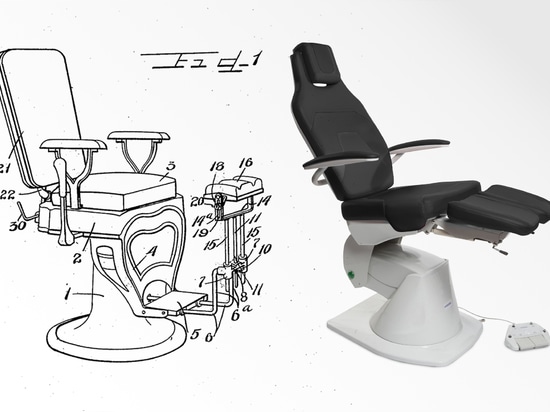
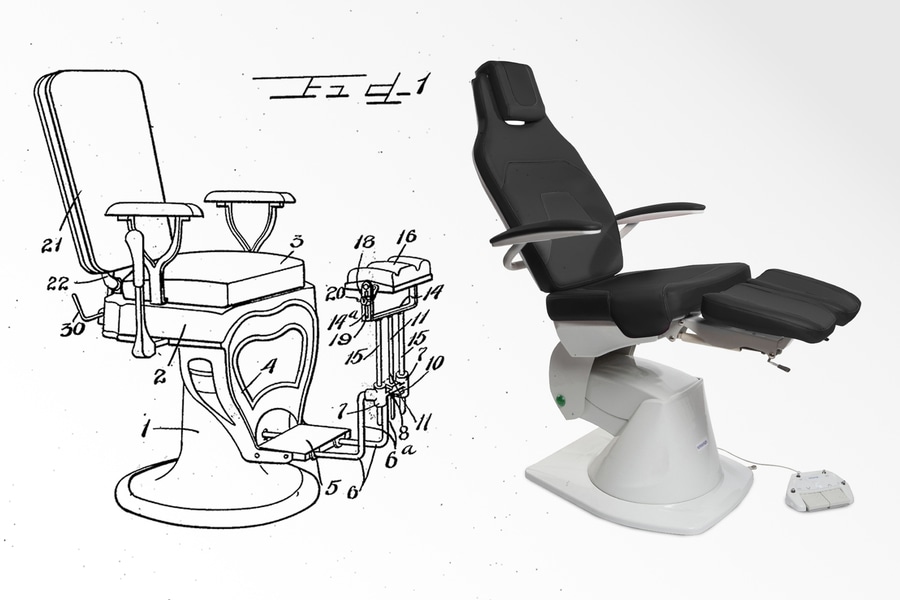
Podiatric Chairs History
Imagine a podiatry clinic in the 1930s.
A small office, dimly lit by a faint light, with an uncomfortable chair where patients sat, waiting for their doctor to help with some foot pain. There was no cutting-edge technology, no ergonomic podiatry chairs. Foot treatments were performed with basic tools, and the working positions—for both podiatrists and patients—were anything but comfortable.
Today, the scene has changed completely.
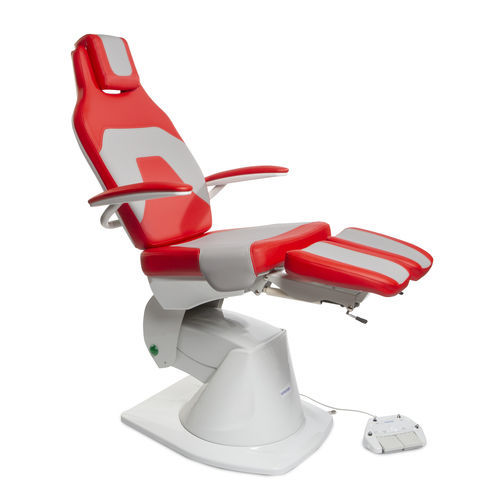
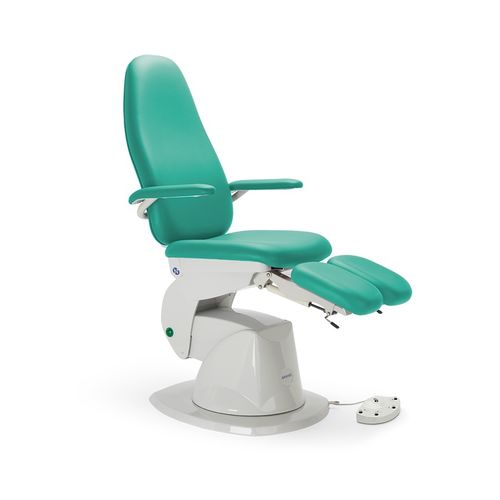
The modern podiatry chair is a piece of engineering: a seat that offers comfort, functionality, and precision, designed for both the podiatrist and the patient. But this transformation didn’t happen overnight. It is a story of small steps forward, of ideas taking shape, and of the relentless pursuit of improvement. And on this journey, companies like Namrol played a key role, bringing podiatry into a new era.
The First Steps: The Challenge of Comfort
At the beginning of the 20th century, podiatry was far from what we know today. There were no chairs specifically designed for foot care, let alone chairs that allowed height adjustments, inclination, or the necessary support to offer ergonomic working conditions. Podiatrists used whatever they had available: regular chairs, improvised stretchers, and, at best, pieces of furniture intended for other medical purposes.
Patients sat stiffly, and podiatrists—often forced into uncomfortable positions for long hours—were unable to offer the best possible care. The issue wasn’t just discomfort; it revealed an unmet need for evolution in the industry.
The Turning Point: The Arrival of Innovation
As podiatry developed as a medical specialty, the need for proper furniture became clear. In the 1950s, the first adjustable chairs appeared, marking a paradigm shift in foot care. Now, podiatrists could adjust the chair height, and for the first time, patient comfort became a priority.
But, as with all great ideas, these early versions were far from perfect. They were basic chairs with manual mechanisms that, although an improvement over previous seats, still lacked the precision and ease podiatrists needed to work comfortably. The revolution in podiatry was only just beginning.
Gradual Development (1960s–1980s): Slow but Steady Progress
As podiatry grew as a medical specialty, podiatry furniture began to evolve—slowly, but steadily. During these decades, improvements included:
Reclining chairs: Increased reclining capacity made treatments more comfortable for patients and easier for practitioners.
Hydraulic systems: Chairs began to incorporate hydraulic mechanisms to adjust height more smoothly and efficiently, a clear step forward from manual systems.
These improvements were still relatively basic compared to what would eventually come, but they were essential milestones on the road to modernization.
The Technological Revolution (1990s–2000s): Specialization and Automation
From the 1990s onward, the podiatry industry experienced a true revolution, driven by several factors:
Greater specialization in medical equipment
Manufacturers began creating chairs specifically designed for podiatrists’ needs. These chairs incorporated more electric adjustments, allowing practitioners to modify the footrest angle, backrest, patient position, and more—with just the press of a button.
Advances in ergonomics and comfort
Ergonomics became a priority. More comfortable, more functional chairs were introduced, with more precise reclining systems and surfaces better adapted to the human body. Upholstery was improved for easier cleaning and greater durability.
Advanced technology
As technology progressed, podiatry chairs began incorporating advanced electrical mechanisms that not only adjusted positions precisely but also provided unprecedented levels of comfort.
Namrol’s Contribution to Modernization
Namrol entered the podiatry chair industry at a time when innovation was accelerating. While it wasn’t the first to transition from the basic chairs of the 1950s, it became one of the companies that helped elevate the industry to a new level of specialization and quality, especially in recent decades.
Founded with the purpose of designing and manufacturing high-quality podiatry equipment, Namrol fully embraced the evolution of the podiatry chair. In a world where technology advanced rapidly, Namrol didn’t just follow trends—it became a driver of innovation with vanguard designs and unmatched functionality.
Namrol patented multiple features that were true game-changers: from antimicrobial upholstery that improved hygiene to chrome bases that enhanced durability and aesthetics. Every new model responded to the needs of podiatrists, always aiming to improve ergonomics, comfort, and efficiency.
The Future: Smart Technology and Personalization
The story of podiatry chairs does not end today. The future is full of possibilities. Technology continues to advance, and new trends point toward even greater automation and personalization.
The chairs of the future may incorporate biometric sensors that automatically adjust positions based on each patient’s physical characteristics. Imagine a chair that, upon detecting posture or specific needs, adjusts height or inclination to offer maximum comfort and optimize treatment. There is also talk of integrating artificial intelligence, allowing the chair to learn the practitioner’s preferences and adapt accordingly.
Sustainability will also be a key focus. Future podiatry chairs may be made with recyclable, environmentally friendly materials—without compromising quality or functionality.
The history of podiatry chairs is still being written, and the next chapter promises exciting opportunities for comfort and foot care. At Namrol, we will continue working to support the success of professionals.