

#Industry News
World Cancer Day: Medical Lighting Performance in Oncology Surgery and Examination
Key Illumination Requirements for Cancer-Related Clinical Procedures
World Cancer Day highlights the importance of reliable clinical conditions throughout cancer diagnosis and treatment. In oncology-related procedures, lighting quality remains a fundamental but often underestimated factor influencing surgical accuracy and examination efficiency.
Lighting Requirements in Oncology Surgery
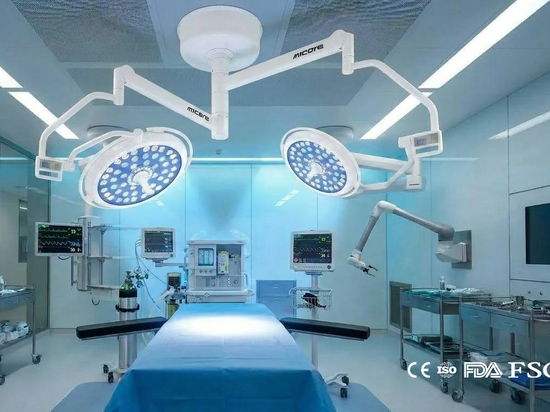
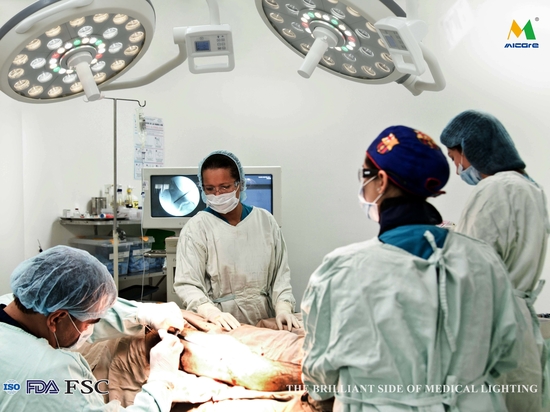
Tumor surgeries typically involve complex anatomical structures, long operation durations, and strict visual requirements. Surgical lighting systems used in oncology must provide stable illumination that supports precision without distraction.
Key performance considerations include:
Uniform light distribution to minimize shadows in deep or narrow surgical fields
High color rendering (CRI) to ensure accurate tissue differentiation
Adjustable illumination levels to match different surgical phases
Low heat output to maintain comfort during extended procedures
LED-based surgical lights designed for general and oncology surgery increasingly focus on these parameters to improve consistency and visual clarity in the operating room.
Application Across Different Clinical Settings
Beyond the operating theatre, medical lighting is widely applied in cancer-related clinical workflows, including:
Pre-operative assessment and biopsy preparation
Outpatient oncology examinations
Post-operative wound inspection and follow-up care
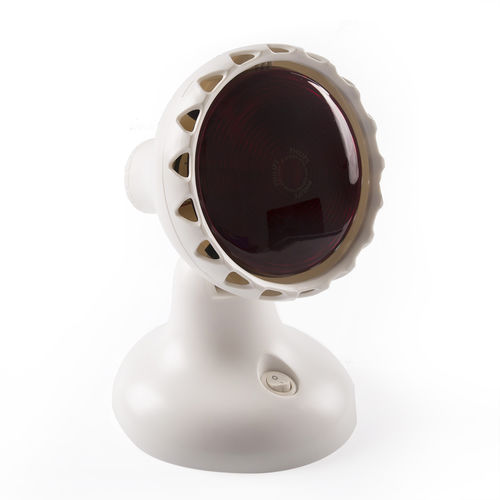
In these environments, examination lights with focused illumination and flexible positioning support accurate visual assessment while maintaining efficient patient throughput.
Reliability and Long-Term Use
Oncology departments often operate under high utilization rates. Lighting equipment is expected to perform reliably over long periods with minimal maintenance interruption. For this reason, healthcare providers tend to prioritize:
Stable mechanical structures
Durable LED light sources
Consistent optical performance over time
Manufacturers with long-term experience in surgical and examination lighting tend to focus on practical design choices rather than excessive configuration, ensuring compatibility with different hospital environments worldwide.
Supporting Clinical Accuracy Through Design
Well-designed medical lighting does not attract attention during use—it simply works. In oncology care, where precision and confidence are critical, lighting systems serve as a quiet but essential support for clinical decision-making.
As cancer treatment continues to evolve, dependable surgical and examination lighting remains a core component of safe and effective care, contributing to clearer visualization and more controlled clinical outcomes.