#Product Trends
Homecare: Why Air Purification Is Essential to Protect Patients and Caregivers
Immunosuppression, infection risks, indoor pollution… In homecare, the air we breathe is a key health factor. Professional air purifiers offer a concrete solution to these invisible threats.
The rise of home healthcare is transforming patient care. Whether due to aging populations or efforts to reduce hospital stays, more patients are now treated in their homes. While this enhances comfort and autonomy, it also introduces new sanitary risks, especially related to indoor air quality.
Homes are not designed like hospitals: there is no controlled ventilation or medical disinfection protocol. Yet patients undergoing serious treatments—oxygen therapy, immunosuppressive therapy, palliative care—are particularly vulnerable to airborne pollutants such as fine particles, allergens, mold, viruses, bacteria, and volatile organic compounds (VOCs) from cleaning products or furniture.
These pollutants can worsen respiratory conditions, trigger infections, or cause discomfort for both patients and caregivers.
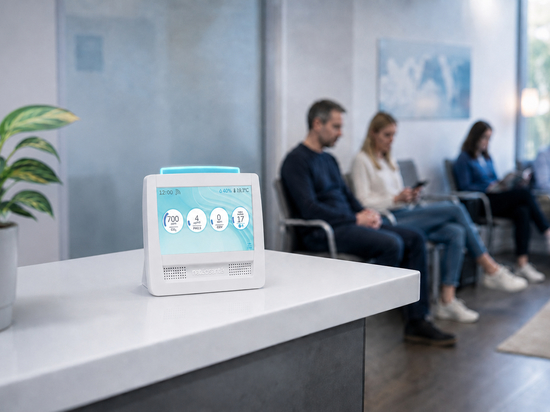
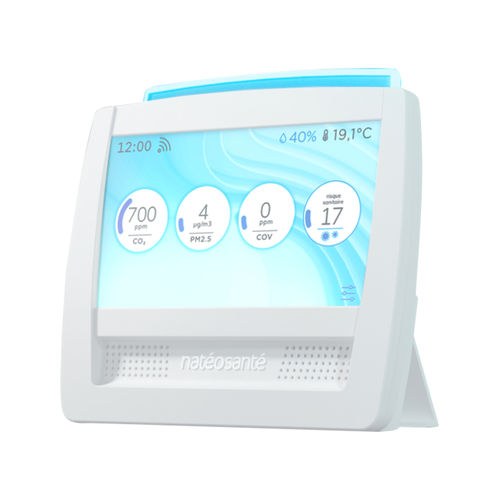
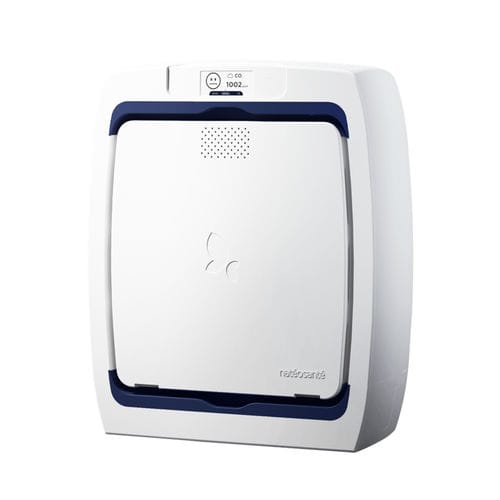
Professional air purifiers provide an effective solution. Unlike consumer devices, they are built for continuous operation and medical-grade performance. Devices like the EOLIS Air Manager from NatéoSanté use certified HEPA H13 filters and activated carbon to remove fine particles, biological contaminants, and VOCs from the air.
Installing a purifier in a patient’s room helps to:
reduce the spread of airborne pathogens,
improve respiratory comfort,
protect healthcare professionals and family caregivers,
ensure safer care in fragile environments.
In homecare, where medical fragility and domestic air pollution intersect, air purification becomes a key preventive tool.
Keywords:
medical air purifier, home healthcare, indoor air quality, VOCs, patient safety, HEPA H13, professional filtration, respiratory protection, caregiver health