#Industry News
Endoscope Reprocessing: VOCs, an Invisible Risk for Hospital Staff
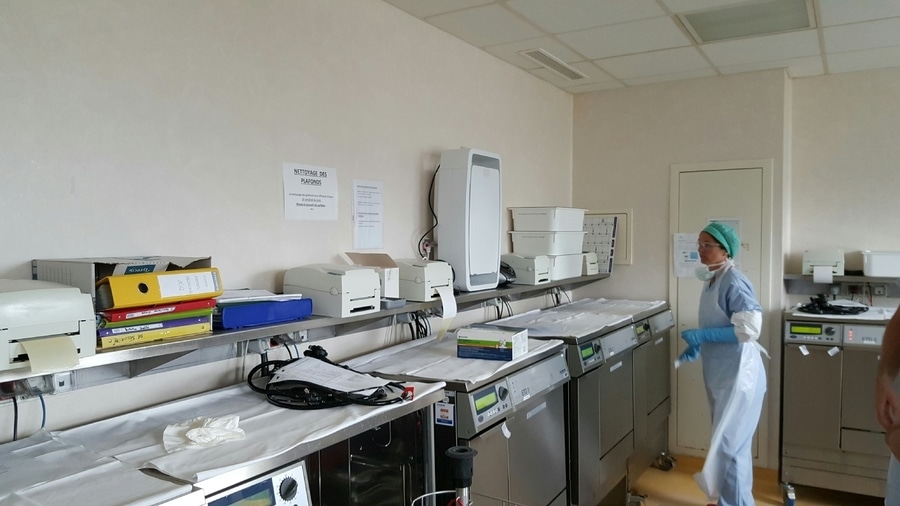
Endoscope cleaning rooms are highly exposed to volatile organic compounds (VOCs). Professional air purifiers help protect healthcare workers from these invisible but harmful pollutants.
Endoscope disinfection units are critical areas in healthcare facilities. Every day, staff handle powerful disinfectants—glutaraldehyde, hydrogen peroxide, peracetic acid—all of which emit volatile organic compounds (VOCs).
Even at low concentrations, VOCs can cause irritation of the airways, headaches, skin reactions, and, in the long term, chronic health effects through repeated exposure. Yet these invisible pollutants often remain overlooked in workplace risk prevention protocols.
Natural ventilation or standard HVAC systems are generally insufficient to remove these continuous chemical emissions, especially in enclosed spaces where staff work for hours. This is why more hospitals are turning to high-efficiency air purification systems.
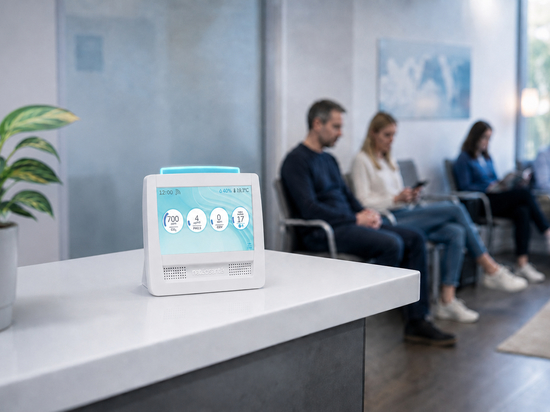
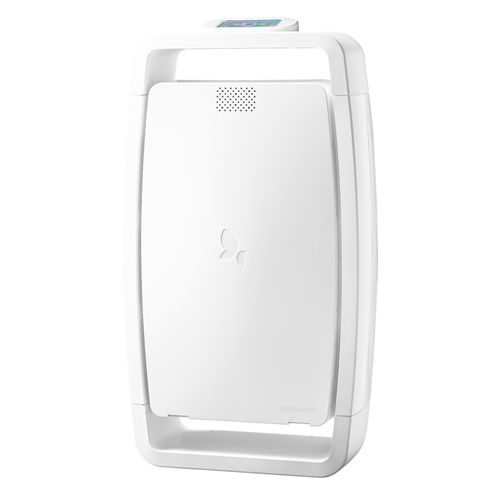
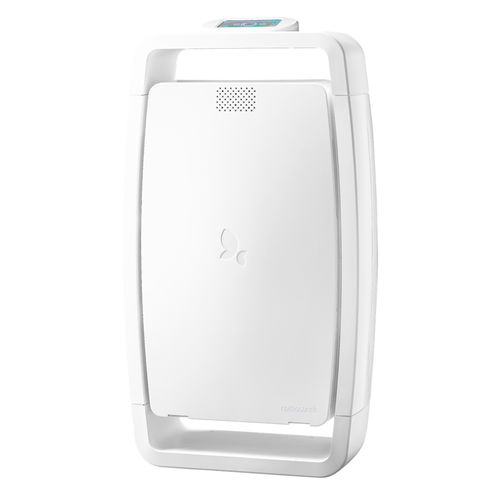
EOLIS Air Manager, developed by NatéoSanté, is designed for demanding medical environments. It uses a HEPA H13 filter and high-density activated carbon to capture and neutralize airborne VOCs, fine particles, bacteria, and viruses.
Already deployed in sterilization units, and ICUs, it is a natural fit for endoscope reprocessing areas, where it works alongside ventilation systems to:
- significantly reduce VOC concentrations,
- improve respiratory comfort,
- support occupational health compliance,
- minimize staff complaints related to odors or disinfectant side effects.
Beyond individual protection, this solution creates a safer environment for healthcare professionals, aligning with hospital quality and safety goals.
Keywords:
VOC exposure, hospital air quality, endoscope disinfection, glutaraldehyde, air purifier for healthcare, staff protection, NatéoSanté, EOLIS Air Manager