
#Product Trends
How to Choose The Right Type of Body Bag?
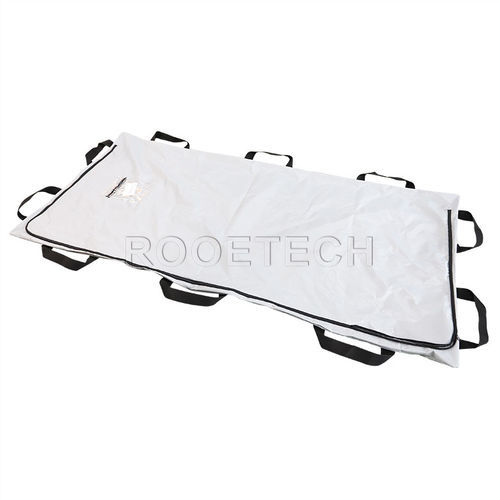
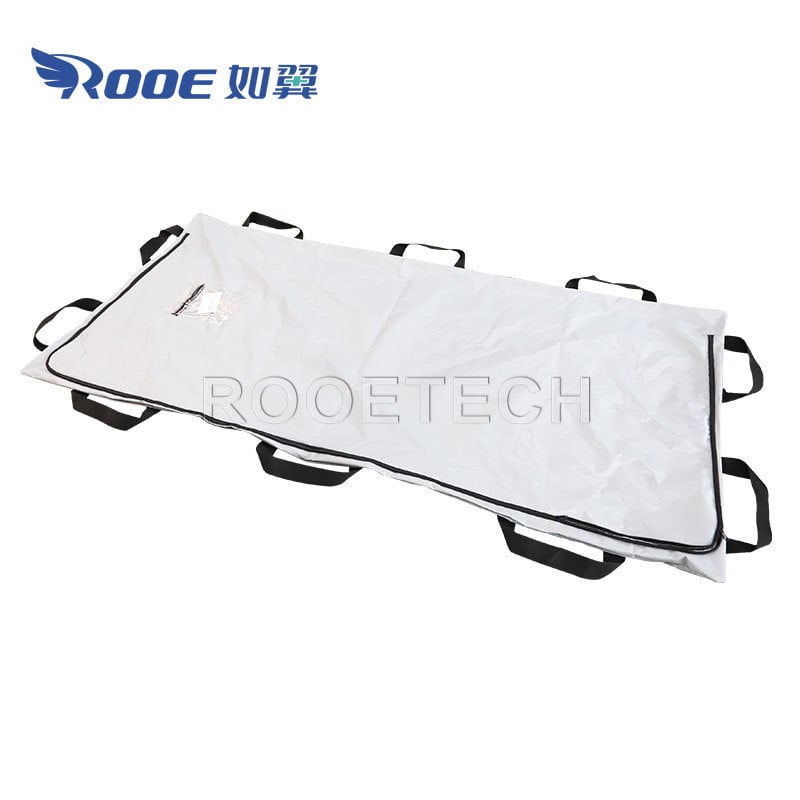
Dead Body Bag
Selecting the right mortuary body bag is essential for hospitals, funeral homes, forensic departments, and emergency response teams. A properly designed bag ensures safe transport, infection control, privacy protection, and operational efficiency.
With so many options available — from standard cadaver bags to heavy-duty and bariatric models — how do you determine which one fits your facility’s needs?
1. Understand Your Primary Use Scenario
Different facilities require different types of body bags.
Hospital Use
Hospitals typically require:
Standard adult-size mortuary body bags
Reliable zipper closure
Basic leak-proof protection
Easy handling during short-term transport
If the bag is used mainly for internal transfer to a morgue, a standard cadaver bag with reinforced seams is usually sufficient.
Funeral Homes
Funeral homes may require:
Durable exterior materials
Better appearance and privacy
Stronger weight capacity
For higher-weight individuals, a bariatric body bag with reinforced handles and thicker material is recommended.
Disaster & Emergency Response
In mass casualty situations, disaster teams often need:
Heavy duty body bags
High weight capacity
Strong, reinforced handles
Fully sealed, leak-proof body bag design
These applications demand maximum durability and safety.
2. Choose the Right Material
The material directly impacts strength, hygiene, and longevity.
Common Materials:
PVC (Vinyl)
Durable and waterproof
Easy to clean
Suitable for long-term storage
PEVA
Eco-friendly option
Lighter weight
Often used for transparent designs
Heavy-Duty Polyethylene
Tear-resistant
Cost-effective
Ideal for emergency stock
For facilities handling heavier remains or frequent use, a heavy duty body bag with thicker material (8–20 mil thickness) provides superior reliability.
3. Determine the Required Weight Capacity
Weight capacity is one of the most critical factors.
Standard mortuary body bag: 150–200 kg capacity
Heavy duty body bag: 250 kg+
Bariatric body bag: 300 kg+
If your facility serves diverse populations, stocking at least one bariatric body bag model ensures preparedness.
Reinforced stitching and webbing handles significantly improve load-bearing performance.
4. Evaluate Zipper and Closure Design
A reliable zipper system ensures dignity and containment.
Common zipper types:
Straight zipper
C-shaped zipper
U-shaped zipper
For maximum protection, choose a leak-proof body bag with:
Oversized zipper teeth
Double pullers
Protective zipper flaps
Heat-sealed seams
These features prevent fluid leakage during transport.
5. Consider Handle Configuration
Handles improve safety during lifting and transport.
Options include:
6-handle design
8-handle reinforced design
10+ handle configuration for bariatric models
For heavier applications, choose cross-stitched or load-tested handles to reduce tearing risk.
6. Customization and OEM Options
When sourcing from a professional body bag manufacturer, customization options may include:
Custom thickness
Custom dimensions
Logo printing
Color selection
Transparent viewing window
ID tag pocket
Special zipper configurations
For distributors and funeral supply companies, OEM manufacturing can improve brand positioning.
Final Thoughts
Choosing the right mortuary body bag is not just about cost — it is about safety, dignity, durability, and operational efficiency.
Before purchasing, assess:
Usage scenario
Required weight capacity
Material thickness
Leak-proof performance
Handle reinforcement
Supplier reliability
Whether you need a standard cadaver bag, a heavy duty body bag for emergency use, or a bariatric body bag for higher weight capacity, selecting the appropriate design will protect your staff, maintain hygiene standards, and ensure professional handling at every stage.