
#Industry News
What is the Principle of Dry Heat Sterilization?
Dry Heat Sterilization, Sterilizer
Dry heat sterilization is a widely used sterilization method in laboratories, pharmaceutical industries, and medical device manufacturing. Unlike moist heat sterilization that uses steam under pressure, dry heat sterilization employs hot air that is either static or circulated to kill microorganisms. It is a reliable and effective technique, especially for materials that are moisture-sensitive or prone to corrosion.
1. The Principle of Dry Heat Sterilization
Dry heat sterilization works by oxidation — a process that destroys microorganisms by denaturing proteins, dehydrating cells, and causing oxidative damage to essential cellular components. When microorganisms are exposed to high temperatures for a specific time, their enzymes and structural proteins lose functionality, leading to irreversible cell death.
Typical temperature-time combinations include:
160°C for 120 minutes
170°C for 60 minutes
180°C for 30 minutes
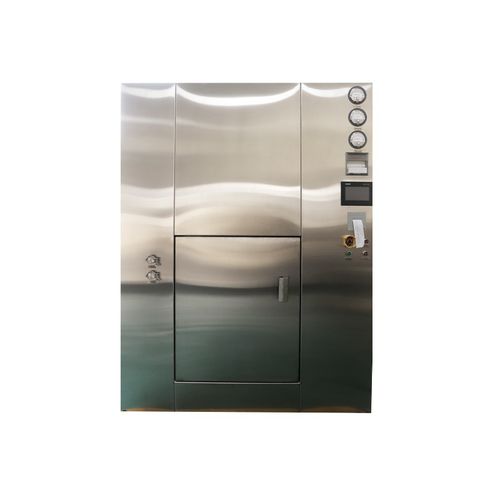
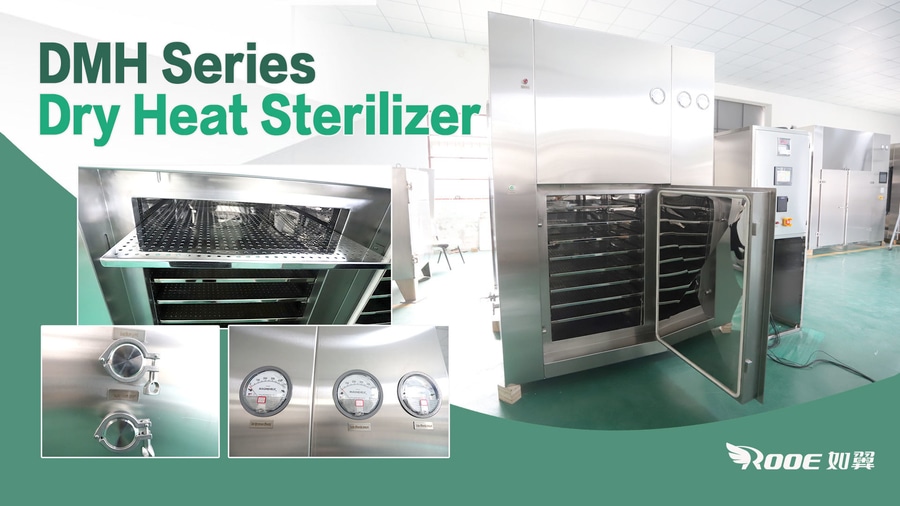
The effectiveness of sterilization depends on temperature uniformity, exposure time, and air circulation. Modern dry heat sterilizers are designed with forced-air convection systems, ensuring that hot air evenly distributes throughout the chamber, maintaining consistent sterilization performance.
2. Advantages of Dry Heat Sterilization
No moisture or pressure involved – Suitable for materials that may rust, corrode, or degrade under steam sterilization.
Highly effective for heat-stable materials – Provides deep penetration of heat.
No toxic residues – Unlike chemical sterilization, dry heat leaves no residual contamination.
Low maintenance – Equipment design is simple and cost-effective.
3. Types of Dry Heat Sterilization Systems
Static-air sterilizers (hot air ovens): Heated air circulates naturally within the chamber. Simple and affordable but slower in heat transfer.
Forced-air convection sterilizers: Use fans to circulate air rapidly, ensuring uniform temperature and faster sterilization cycles.
Depyrogenation tunnels: Continuous systems used mainly in pharmaceutical production to sterilize and remove pyrogens from glass vials or ampoules.
4. Materials Suitable for Dry Heat Sterilization
Dry heat sterilization is ideal for moisture-sensitive and heat-stable items, including:
Medical and Laboratory Items
Glassware (flasks, pipettes, Petri dishes, syringes)
Metal instruments (scalpels, forceps, needles)
Stainless steel trays and surgical tools
Pharmaceutical Industry
Ampoules, vials, and glass bottles before aseptic filling
Aluminum caps and stoppers compatible with dry heat
Instruments used in aseptic manufacturing environments
Other Industries
Cosmetic and food packaging containers that cannot tolerate moisture
Powdered materials, oils, and greases that cannot be sterilized by steam
5. Validation and Monitoring
To ensure the effectiveness of dry heat sterilization, it is essential to validate the process using:
Thermocouples to monitor temperature distribution
Biological indicators (e.g., Bacillus atrophaeus spores) to confirm microbial kill rate
Chemical indicators for quick verification of exposure
Process validation ensures that every part of the chamber reaches the required temperature for the specified duration, guaranteeing complete sterilization.
Dry heat sterilization is a reliable, residue-free, and corrosion-resistant method for sterilizing heat-stable and moisture-sensitive products. Its principle—oxidative destruction of microorganisms—makes it indispensable in medical, laboratory, and pharmaceutical applications. When used correctly with precise temperature control and process validation, dry heat sterilization ensures safety, sterility, and compliance with global standards.