#Product Trends
SM-H1: Stabilized 4K Head-Mounted Recording for Surgical Teaching
Explore how the SM-H1 combines three-axis gimbal stabilization and 4K recording to support surgical documentation, case review, and teaching.
A closer viewpoint for surgical documentation
Surgical recordings can support case review, teaching discussions, and the preparation of training materials. For these applications, a useful recording needs more than resolution alone. The camera’s viewpoint, movement, and alignment with the operative field also affect how clearly viewers can follow the sequence of a procedure.
A head-mounted camera provides a viewpoint close to the operator’s. However, head movements can introduce shake into the footage. Addressing this movement is an important consideration when choosing a camera for surgical documentation.
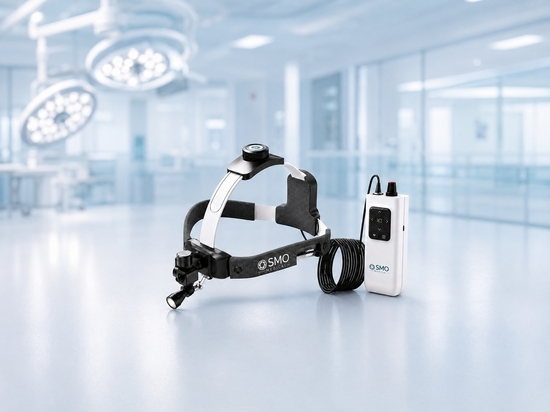
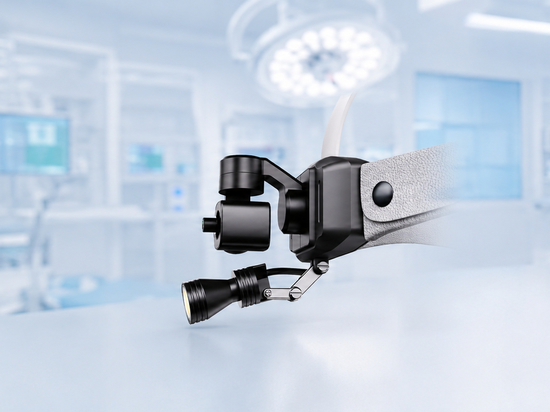
The SM-H1 4K Stabilized Surgical Head Camera is designed for this recording workflow, combining a head-mounted camera, integrated illumination, and three-axis gimbal stabilization.
Three-axis stabilization and 4K recording
The SM-H1 uses a three-axis mechanical gimbal to help reduce camera shake caused by head movements. This supports steadier footage for subsequent viewing and discussion, while retaining a recording perspective close to the operator’s working position.
The system records video at 3840 × 2160 resolution at 30 frames per second. Video is saved in MP4 format using H.264 encoding, with an integrated microphone available for synchronized audio recording.
Stabilization and resolution serve different purposes: stabilization helps manage camera movement, while 4K recording captures image detail. Together, they support the creation of recordings for review and educational use.
Preparing the recording workflow
The standard configuration includes a 128GB U3 TF card, control box, remote control, and card reader. Local storage allows users to copy recorded media for review and preparation of teaching materials.
Before recording, users should check camera alignment, focus, working distance, and illumination for the intended operative field. A short test recording can help confirm that the desired area is visible and appropriately framed.
The camera follows the wearer’s head orientation; it does not automatically guarantee that every operative step remains in view. Hands, instruments, and the geometry of the surgical field can still affect visibility.
From recorded footage to teaching material
For teams preparing surgical teaching resources, the SM-H1 offers a way to capture a viewpoint close to the operator’s and revisit the recorded sequence afterward. Selected footage can support discussions of procedural steps and case review within the institution’s recording and information-handling procedures.
The appropriate setup depends on the field of view and level of detail required. A head-mounted external view should be evaluated separately from recordings taken directly through a surgical microscope or endoscope.
To request the SM-H1 product brochure, contact [email protected].
SMO Medical | Shenzhen Shenmou Medical Technology Co., Ltd.
Official website: https://smomedical.com/