
#Industry News
Bring Class II patients to Class I by using D-bar
a new Class II Correction Appliance
Class II malocclusion, the distal relationship between mandibular and maxillary molars, is frequent in the population. It affects about 30% of the children worldwide, with no sex predilection. Class II malocclusion may be associated with skeletal abnormalities in about 75% of the patients, who usually present with characteristic mandibular retrognathism resulting from a shortened mandible and maxillary protrusion. Class II malocclusion carries a greater risk of dental trauma, a more negative perception of facial and dental esthetics, a negative impact on quality of life and self-esteem, a greater predisposition to periodontal diseases and tooth wear, and a reduction of oropharyngeal space and greater incidence of sleep disorders. Current orthodontic treatment philosophies of class II malocclusion have been oriented towards conservative treatment modalities to avoid extractions. Molar distalization, one approach to treating class II malocclusion, is used to lengthen the dental arch by posterior movement of the buccal segment teeth to provide space in the maxillary arch. Thus, it is mainly indicated to treat moderate dental or skeletal protrusion of the upper arch, mild to moderate crowding, and when patients refuse the extractions. Molar distalization can be accomplished using either extraoral appliances or intraoral appliances. The disadvantages of extra-oral devices are their unpleasant appearance and dependence on patient compliance, making them the least acceptable choice for clinicians and patients. There is a wide variety of intraoral distalizer appliances available. Still, the forces exerted by most of them result in undesired dental effects, such as the proclination of maxillary incisors, bite opening, molar tipping and loss of lower anterior anchorage.
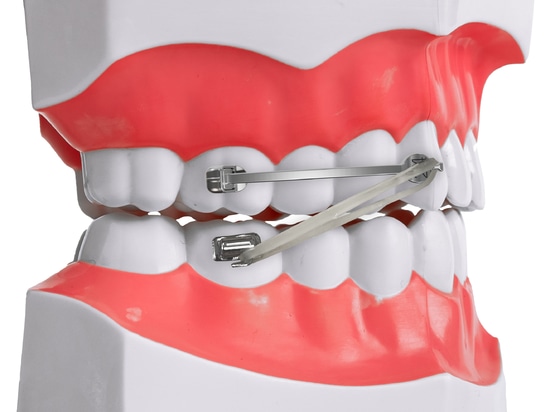
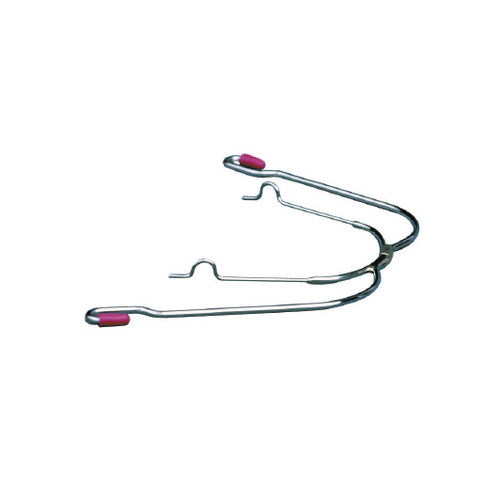
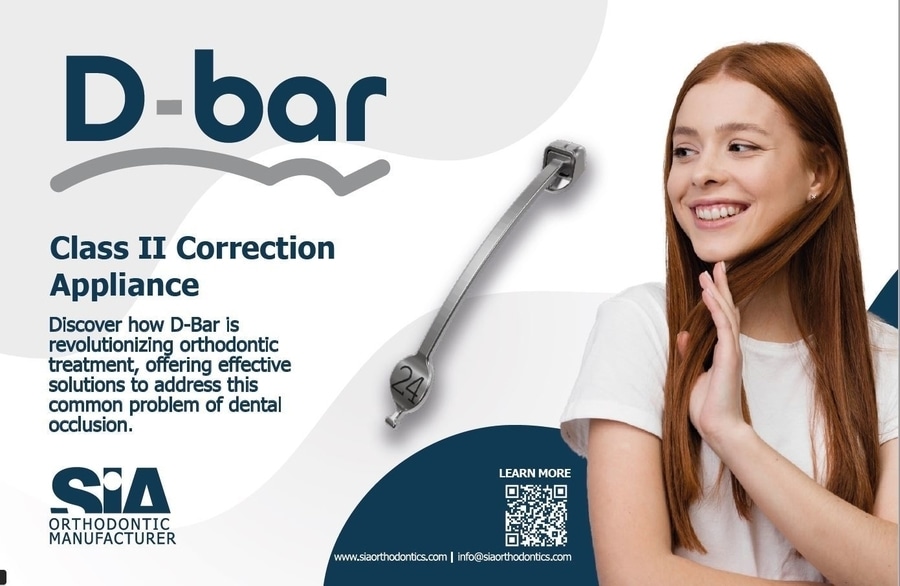
D-bar is a direct bond orthodontic appliance that provides a Class II treatment solution for primary, permanent, or mixed dentition, and its design optimizes the molar relationship by minimizing canine over-extrusion, with a highly aesthetic design for improved comfort and reduced treatment times. The clinical principle of Class II correction using D-bar is based on establishing a Class I relationship at the beginning of treatment when patient compliance is high and before initiating the correction of the position and alignment of individual teeth with fixed appliances or clear aligner therapy. D-bar consists of a molar socket and a bar supplied unassembled, bonded bilaterally to the maxillary canines and first molars. The canine pad, which carries a mesial hook to place intermaxillary elastics, is bonded to the anterior third of the clinical crown. It is possible to replace just the bar or change its size during therapy if the clinical conditions require it. This feature makes the D-bar flexible, reducing and simplifying the clinic's inventory. It can also be integrated into the digital workflow and placed by the indirect bonding procedure; in fact, using two separate components makes it possible to incorporate the device into templates or transfer jigs. D-bar is available in one-millimeter increments in twelve sizes, from size 16 to 27. Measurement identification is easy and fast, thanks to laser marking.
The advantages of using D-bar are:
1. Precision. The locking system has been designed with tight tolerances for greater treatment efficacy to minimize unwished canine or unexpected inter-arch movements.
2. Effectiveness. Extremely mesial hook position to increase the effectiveness of the device.
3. Time-saving. Correct bonding on the molar is easy, thanks to the mesiodistal and occlusal-gingival positioning lines. Laser marking makes it easier to identify the proper size.
4. Treatment time reduction. D-bar improves the molar relationship, making the orthodontic treatment faster.
5. Comfort. Its smooth and low-profile design improves patient comfort and compliance during treatment.
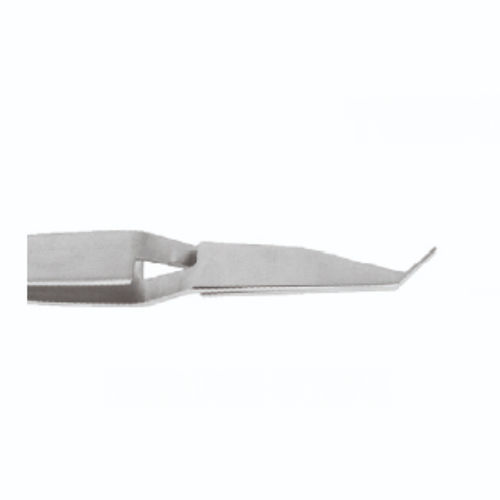
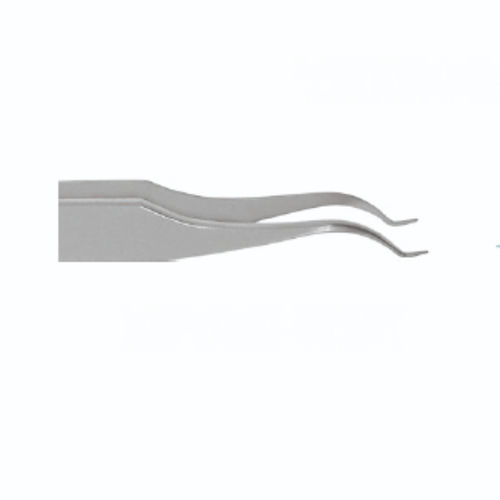
D-bar is available in individual packaging and sets. Single packaging contains two bars of the same size, two molar sockets, and one ruler. The set includes 24 bars (two of each size), 24 molar sockets, a tweezer, and 24 rulers.