#Industry News
The Ultimate Guide to Exporting Medical Devices: Best Practices
How to export your medical devices to foreign markets
Healthcare is a global and ever-growing industry, especially as the world population ages. While this presents opportunities for medical device and equipment manufacturers looking to export abroad, numerous hurdles—differing healthcare systems, government bureaucracies, and product compliance—can be vast. Medical OEMs can overcome such hurdles by preparing and partnering with the right agencies and departments in their target countries.
Paying Providers: Private vs Public Healthcare
The funding mechanisms for healthcare systems vary significantly around the world. In the United States, the healthcare system primarily relies on the free market, with private health insurance (PHI) playing a central role in financing. In contrast, many other countries have governments as the main source of funding for their public healthcare systems (PHS). For instance, in Canada, healthcare funding is a shared responsibility between provincial and federal governments. In Germany and Japan, citizens contribute to their healthcare systems through mandatory governmental health insurance. Meanwhile, the United Kingdom employs a hybrid approach, where the government covers the majority of healthcare expenses, and PHI is available for those seeking additional coverage.
Navigating Exports Through Government Bureaucracy
Because the government is intimately involved in the PHS, original equipment and design manufacturers and sellers looking to export to those countries must determine which departments and agencies are involved in the decision-making process.
Unsurprisingly, these vary from country to country and even within a country’s borders. As mentioned above, the Canadian healthcare system splits funding among its provinces. US healthcare computer sellers must approach each province separately and discuss their products’ benefits and advantages, such as fanless design. Each may have a tier system of departments and agencies where one handles procurement while another handles the servicing of your products.
Under such a system, you and your staff may never directly work with the client like a hospital. To ensure you’re able to find the right solution for the client, here are some of the questions you should be asking:
What is the governing body or bodies where we must register our product to sell within the country?
Which agencies or departments are involved in determining whether your product, like a box PC, is the right solution for the medical offices and hospitals in the area?
What Vendor of Record (VOR) do you use? VORs are suppliers and service providers recognized and authorized by governments and corporations. In many countries, your company must be part of a VOR to have orders processed by the purchasing agency or department.
Will products need to go through agencies or departments when they need servicing? If so, what are the names of those governing bodies?
Do you have labeling and instructional requirements? If so, which agencies or departments will provide the details and forms? Examples include:
Language requirements like English and French.
Any Instructions for Use (IFU).
Safety instructions.
Product labeling specifics like types of barcode information.
Any “green” initiative like the percentage of recycled material in packaging your products.
What are the logistics costs? You should discuss shipping costs with each agency and department involved with your product. The costs can get hefty as Customs adds import duties and taxes to the figures, for example. You’ll want to know who is responsible for payment, including even simple services like sending your products back to your facilities for servicing.
Medical Device Compliance Through Certifications and Licenses
Certifications serve as official affirmations that medical devices or equipment meet the specific standards set by different countries, each with its unique criteria. For instance, in the United States, the term “medical-grade” or 60601-1 carries significant weight, particularly in relation to fire safety regulations. This focus on fire safety is hardly surprising, considering that many structures across the nation are constructed using wood, which poses inherent risks. These certifications not only assure compliance but also reflect a commitment to ensuring the safety and efficacy of medical devices in various healthcare settings.
On the other hand, Canada’s medical-grade version, CSA C22.2 No 601.1, contains clauses ensuring that markings on its medical devices and equipment are not rubbed out or damaged by cleaning agents or disinfectants. Precise formulas of those substances are provided to ensure compliance.
Finally, medical-grade for Japanese medical devices and equipment (JIS T 0601-1) regulates power cord colors and materials as well as specific rulings on enclosure leakage current measurement.
A license is a crucial legal requirement that permits you to market your products within a specific country and industry. Most countries have established official processes for obtaining these important documents. For instance, in Canada, the Medical Devices Bureau of the Therapeutic Products Directorate is responsible for licensing medical devices. In Australia, this role is fulfilled by the Therapeutic Goods Administration, which oversees the regulation of similar products in the medical device sector.
Successfully Export Internationally With Cybernet
Healthcare is an increasingly pressing issue on a global scale, prompting many manufacturers of medical devices and equipment to explore international markets for growth opportunities. Nevertheless, these manufacturers often face significant challenges when attempting to navigate the public healthcare systems of various countries, particularly when exporting their products outside of the United States.
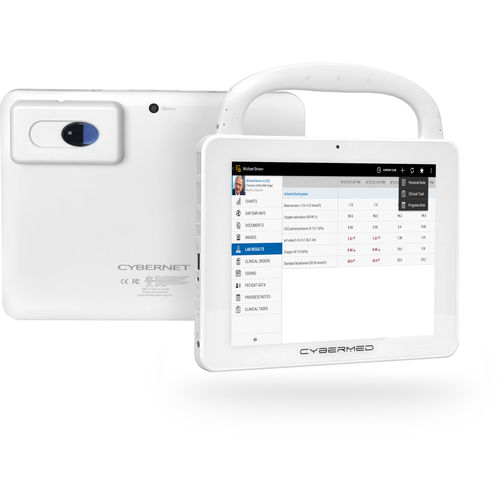
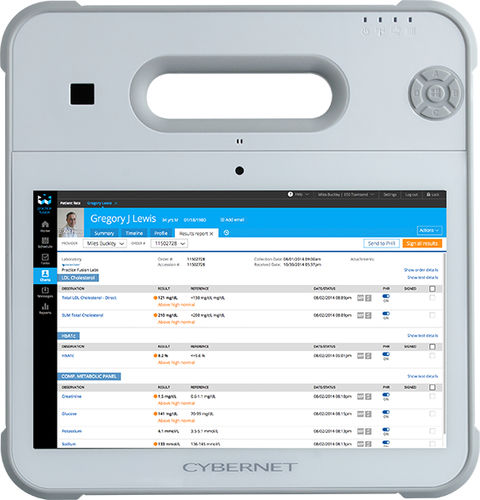
Contact the team at Cybernet Manufacturing if you’re looking to export your medical devices and equipment overseas. Team members will happily go over how our medical computers and tablets have been built from the ground up to meet global standards like IEC 60601. We have offices in EMEA, the Asia Pacific region, and Australia, with staff knowledgeable in the various government requirements and regulations in those areas