#Industry News
How Does AI Telemedicine Work? A Simple Guide
Reach out to patients with AI's assistance
Once upon a time, patients had to physically travel to doctors' offices and hospitals to seek medical treatment. Now, through technologies like virtual consultation, telemedicine allows such treatments to be performed without the patient ever leaving their home.
Learn how advances in AI-enabled computers are expanding the scope and depth of telemedicine in today's patient care.
What Is AI in Telemedicine?
How AI Is Used in Telemedicine and Remote Healthcare
The Key Benefits of AI in Telemedicine
Challenges of AI in Telemedicine and How to Overcome Them
Future Trends: The Next Phase of AI in Telehealth
What Is AI in Telemedicine?
The integration of artificial intelligence in telemedicine enhances healthcare delivery by incorporating AI technologies, such as machine learning, into telemedicine platforms. This includes tools like video conferencing and remote patient monitoring. Such a digital transformation bridges the gap between healthcare providers and patients, enabling the delivery of healthcare that is convenient, personalized, and efficient.
How AI Is Used in Telemedicine and Remote Healthcare
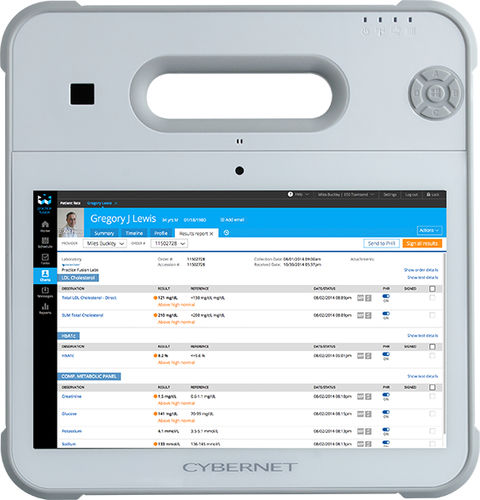
Telemedicine technologies range from real-time virtual consultations between providers and patients to medical staff monitoring patient vitals from hundreds of miles away. AI running on computers like a medical AI box PC enhances telemedicine applications in various ways.
How AI Analyzes Patient Vitals for Early Warning Signs
Remote patient monitoring (RPM) empowers healthcare providers and medical professionals to oversee vital signs such as temperature and blood pressure from afar. This approach not only enhances patient care but also brings a sense of security to both patients and their families.
When combined with the capabilities of artificial intelligence, RPM transforms into a powerful tool, offering continuous, real-time data analysis that alerts providers at the first sign of irregularities. Imagine receiving personalized notifications tailored to individual health profiles, guiding patients with precision. Furthermore, with predictive analytics, RPM anticipates potential health issues before they arise, allowing for proactive interventions that can improve health outcomes significantly.
AI and Medical Imaging: Detecting Health Issues in Seconds
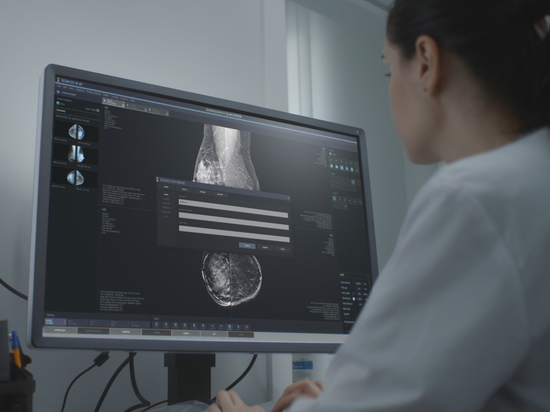
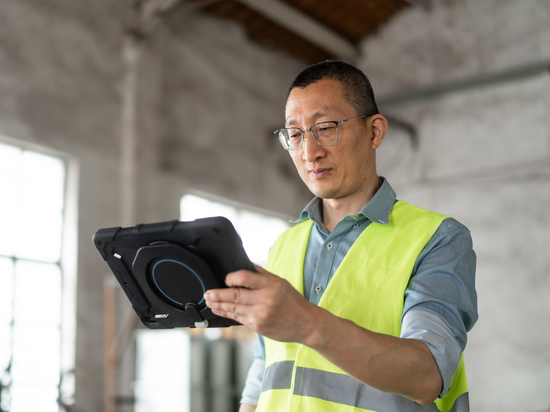
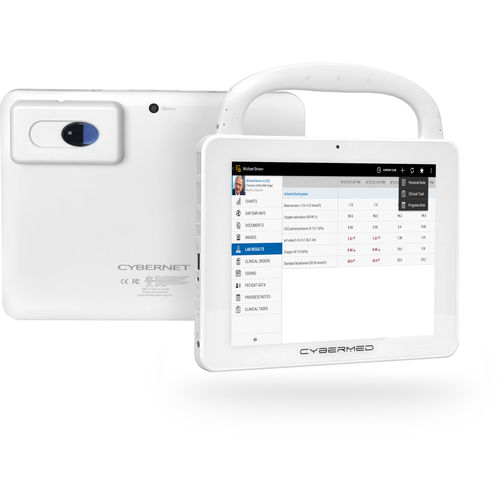
Devices ranging from camera-equipped medical computer tablets to onsite portable X-ray machines allow providers to remotely examine patient issues like skin issues, stitching, and wounds. AI applications can analyze such medical images and provide information ranging from the type of problem (rash, bed sores, skin cancer, etc.) to how best to treat chronic wounds.
Voice-Activated AI Assistants for Medication and Appointment Reminders
Virtual assistants are invaluable allies for patients, helping them to arrange appointments, set timely reminders, and address basic health inquiries seamlessly. With the power of AI enhancement, these assistants elevate the experience thanks to their ability to comprehend natural language. Imagine a patient no longer having to wade through endless digital menus on their smartphone, becoming instead part of an effortless conversation: “Could you please remind me when my doctor begins his rounds tomorrow?” This exchange transforms the task into a smooth, intuitive interaction, turning what once was a chore into a moment of ease and clarity.
The Key Benefits of AI in Telemedicine
The coupling of artificial intelligence with telemedicine positively affects providers and patients alike.
Provide quality health care to underserved populations and areas through teleconference technology and telehealth kiosks.
Reduction of constant patient monitoring, allowing medical staff to focus on more immediate patient care.
Handle routine tasks and queries 24/7, reducing the need for additional staffing and equipment and lowering costs.
Greater diagnostic efficiency and precision through AI's ability to offer suggestions, diagnostic clues, and follow-up questions based on patient responses.
More efficient and personalized patient care thanks to the data-driven insights from AI-enhanced telemedicine technology.
Challenges of AI in Telemedicine and How to Overcome Them
While modern telemedicine can be traced back to the 1900s, artificial intelligence is a recent innovation. Medical groups need to know the challenges of merging the two technologies. For example, AI models require large amounts of data to perform. Datasets not correctly vetted by medical staff could lead to biased results or hallucinations, which are incorrect results that the AI states as fact.
One challenge lies in the collection and integration of diverse information sources into AI models. Hospitals, clinics, and medical facilities operate without unified systems to securely house patient records, physicians' notes, inventory details, and other critical data. For AI algorithms to perform, these systems need to be interconnected and the array of data to be organized. Without this framework, AI in healthcare remains stifled, hampering its ability to deliver accurate insights and improve patient outcomes.
Finally, patient data is tightly regulated and legally protected through laws like HIPAA. AI computers processing such data should be HIPAA-compliant to offer patient and medical group protection.
Future Trends: The Next Phase of AI in Telehealth
AI-enhanced telemedicine is opening up new applications and usage. Systems to remotely assess if a patient's skin condition is cancerous can be trained to observe patients with musculoskeletal diseases like arthritis or muscular dystrophy. It ensures the patient follows any exercises as prescribed and correctly in the comfort of their home. Technologies using a patient's voice to diagnose for disease could be used in telepsychiatry to detect depression and other behavioral health issues.
Cybernet's AI Solutions for Telemedicine: What You Need to Know
Telemedicine and telehealth connect providers to patients remotely for treatment. AI adds to the technology with more options and features like automation.
Telemedicine serves as a modern bridge between healthcare providers and patients, enabling them to connect seamlessly across great distances. This innovative approach delivers a diverse array of medical services, from continuous health monitoring to accessible general information, available around the clock. As the healthcare landscape rapidly evolves, the integration of artificial intelligence is supercharging these telehealth services, introducing groundbreaking solutions such as predictive analytics that anticipate patient needs. However, this fusion of technology and medicine isn't without its hurdles; challenges such as data security and biases in AI algorithms persist, requiring vigilant attention. Yet, with ongoing advancements on the horizon—including the potential for medical diagnoses derived solely from a patient's voice—the future of telemedicine appears both promising and thrilling.
Contact the team at Cybernet Manufacturing if your medical group is looking for AI solutions for its telemedicine and telehealth technology. We're an OEM with deep experience in healthcare IT. Our team of experts will happily discuss how our medical computers meet the industry's unique challenges with features such as IEC 60601 certification and fanless design. We can customize our products further to meet your telemedicine wants and needs.