#Industry News
Edge Computing in Healthcare: The Power of Faster Results
Edge computing in healthcare can deliver faster and more accurate results in the places that need it most, like ambulances and patient monitoring.
Something every healthcare IT team must consider is how data gets collected, stored, and processed on their network. In edge computing, these efforts take place as close to the source as possible.
Properly used, edge computing can deliver faster and more accurate results, leading to better patient outcomes.
Edge Computing vs. Cloud Computing
So, what is edge computing, and how does it relate to cloud computing? The terms refer to different approaches for collecting and storing digital information.
Edge Computing
In edge computing, data collection, processing, and storage take place on the same local area network (LAN). This means devices are usually physically connected to each other, or devices with built-in processors.
Essentially, edge computing places data collection and processing as close as possible to the source of information. In healthcare, that often means the patient themselves.
Cloud Computing
Cloud computing networks collect data from multiple sources for processing and storage in a single server. In healthcare, this data is pulled from clinical EHRs, sensors, provider reports, and more.
Cloud computing does have its merits. For one, centralizing data makes access easier for all parties involved. This is particularly useful if multiple doctors are treating the same patient. However, transmitting data wirelessly to the server puts it at risk of being intercepted or miscommunicated. Encrypting, transmitting, and decrypting data is also time-consuming. This may not matter when reviewing clinical information in an office, but in the back of an ambulance, every second counts.
Benefits of Edge Computing in Healthcare
The speed and lack of wireless transmission give edge computing several notable advantages when compared to other types of computing, advantages that are particularly important in healthcare.
Improved Patient Care
Edge computing is often much faster than cloud computing, because it cuts out the need for data transmission, encryption, and decryption. This speed lets healthcare providers react to sudden changes in a patient's condition without having to wait for their equipment to catch up.
Security and Privacy Compliance
Health information and its security is closely regulated by the Health Insurance Portability and Accountability Act (HIPAA). Sadly, many data breaches happen on accident when information is sent to the wrong recipient or transmitted over an unsecured channel. Edge computing dodges this problem by not transmitting information at all.
Lower Costs
Reducing the reliance on cloud computing also means healthcare groups don’t have to pay as much to license such services. Edge computing’s accuracy also helps prevent medical errors, which lowers the cost per patient.
Less Reliance on Centralization
Collecting data in a single location is undeniably convenient. However, it also means that if anything happens to that cloud server, all that data becomes inaccessible. This is why healthcare cyberattacks are so dangerous; they can affect thousands of patients who require care. With edge computing, if a device breaks down or fails, it will only affect that single patient it is connected to.
Use Cases for Edge Computing in the Healthcare Sector
Mobile applications or areas that can't ensure a constant connection to the cloud are perfect applications for edge computing. It is also useful in areas that need immediate results and can't afford to wait to hear from centralized services.
Ambulances
Given the emergencies that ambulances are most often used in, EMTs simply don't have the time to wait while data is uploaded or downloaded before treating a patient. Additionally, being on the move means ambulances can’t count on a constant Internet connection. Both of these factors make cloud computing impractical for emergency medical services.
Edge networks running on all-in-one medical PCs ensure that EMTs still have the necessary tools, no matter where they go. For example, edge computing can analyze a patient’s vitals, such as heart rate and blood pressure. EMTs can then use this information to treat the patient while en route to a hospital.
Patient Monitoring
Whether they are still at the hospital or sent home, patients must be closely monitored. There is always a chance the patient might injure themselves after surgery. Edge computing networks connected to sensors can alert providers of any odd or risky behavior. Providers can then stop the patient from engaging in that risky behavior.
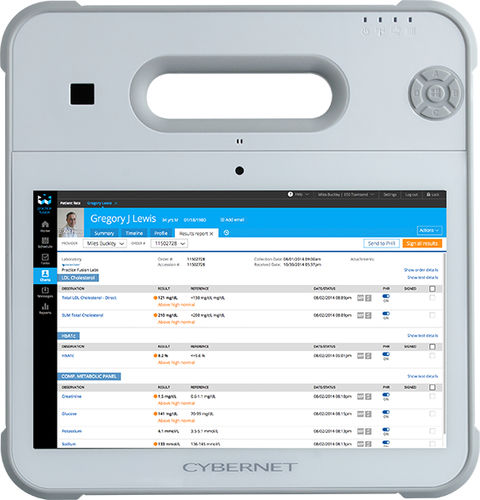
Remote patient monitoring is particularly useful for treating individuals with chronic conditions, such as diabetes or cardiac issues. These are individuals who are not necessarily in life-threatening conditions but still warrant monitoring. By sending them home with a medical tablet and wearable sensors, a hospital can free up beds for patients with greater need.
Medical Imaging
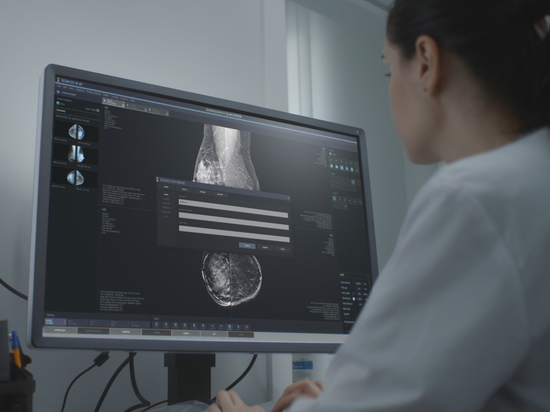
Medical imaging data, such as from X-rays or MRI scans, is typically transmitted to cloud services for rendering and analysis. However, this process can take hours or even days due to the size of imaging files and queues for processing.
By placing processing closer to imaging equipment, providers and patients can review the images in the same appointment they are made. This leads to fewer appointments required and quicker diagnoses and treatments.
Wearables
Wearable healthcare devices intersect with other edge computing applications, such as remote monitoring. Outside of that application, wearables using edge computing are also used for fitness and harm prevention. Fitbits are a popular tool for weight management and workout routines, and the Apple Watch can automatically notify emergency services if it detects a wearer’s fall.
Considerations for Using Edge Computing
Like any technology or tool, there are aspects to consider before implementing edge computing. The most critical of these concerns include:
Security
While edge computing networks do not transmit as much data wirelessly as cloud networks, they still have security concerns to worry about. Access control and privacy features are still necessary for any electronic medical device. Biometrics, RFID-based access, and privacy filters all help protect patients and providers. When considering hardware for edge computing roles, look for computers and tablets with these features.
Reliability
Because edge computing devices operate independently, they must be rugged and reliable. This is especially true for patient monitoring, which may require 24/7 operations. Look for features like fanless cooling and IP65-sealed cases; these design choices remove mechanical points of failure and prevent dust from entering the computer.
Processing Power
In edge computing, processing and analyzing data occur on local devices, not in a data cloud. Of course, this means that those devices need to actually be capable of processing and analyzing that data in the first place. Ensure that any PC or tablet you consider can support the programs required for edge computing applications. Customize your selection with upgraded processors that can handle the computing load if possible.
Connectivity Options
Connectivity is obviously a top priority for edge computing devices. After all, if they can’t connect to other devices and sensors, they can’t collect any data to compute. Edge computers should have a range of both modern and legacy ports for maximum flexibility. Wireless connectivity is also essential, especially for medical tablets and wearables used on the go.
Support Edge Computing with Cybernet Manufacturing
By embracing edge computing, healthcare groups and emergency services can enjoy faster and more flexible operations that aren’t tied to a centralized cloud.