#Product Trends
AI in Surgery: Deeper Insights, Greater Precision
AI in surgery aims to reduce the risk of procedures by bringing deeper analytical insights and greater precision during operations.
Artificial intelligence is the current hot-button topic in the healthcare sector. From diagnosis to post-surgery recovery, AI's implementation can provide better results for both patients and providers.
What is Artificial Intelligence?
While artificial intelligence (AI) has been a topic of computer science for decades, the current focus is on "generative AI." Generative AI is able to learn how to recognize patterns in large data sets, then apply this knowledge to make predictions based on new information it is given.
The applications of this technology are nearly limitless. Healthcare, in particular, is exploring generative AI for everything ranging from drug discovery to handling paperwork. In the high-stakes world of surgery, AI’s precision and unique insights are especially useful.
Applications for Artificial Intelligence in Surgery
AI has a role to play in every step of the surgical process, from pre-operative planning to post-operative recovery. The most important applications include:
Imaging and Diagnostics
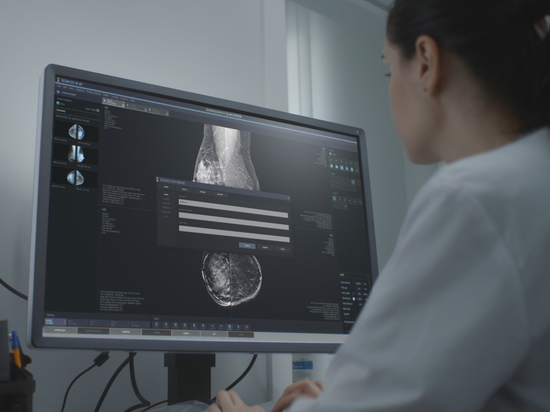
Before they can even begin operating, providers must identify precisely what is wrong with the patient and how they can treat the condition. This process involves diagnosing the issue and creating images of the future surgical site, tasks that AI can assist with.
For diagnosis, AI can pull from massive data sets containing thousands of electronic health records. By reviewing the records of patients with similar conditions, the AI can guide doctors to an accurate diagnosis.
For imaging, AI can assist providers by identifying the surgical site and visual symptoms of diseases. For example, a medical AI box PC can highlight lesions during a colonoscopy. Even experienced endoscopists can miss these lesions, but an AI assistant can identify them for surgical removal.
Robot-Assisted Surgery
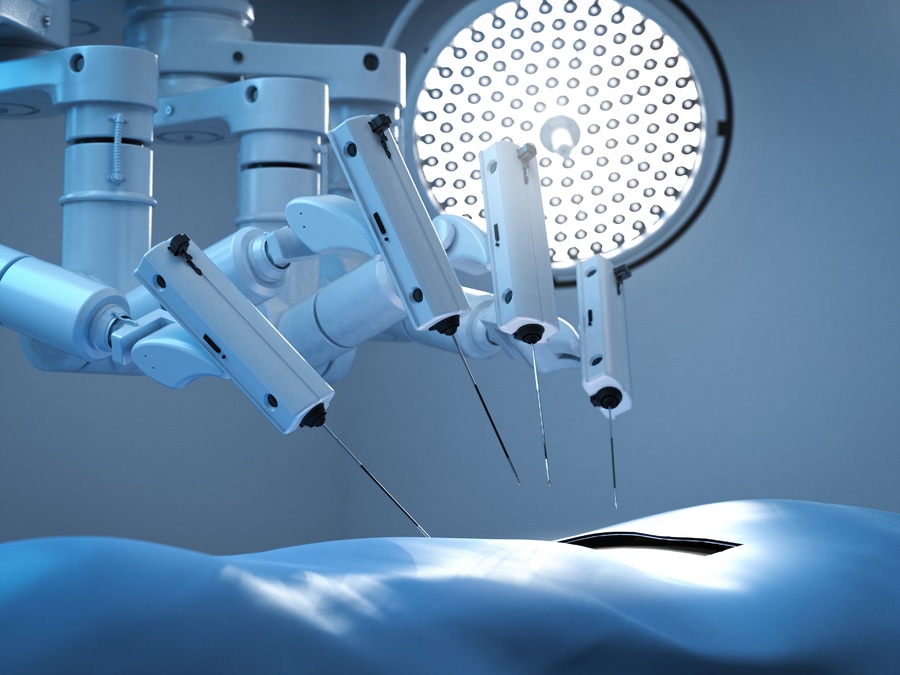
Surgeons have come to rely on robotic assistants during surgery. These robots are beneficial in surgeries that require extreme precision, such as cuts or insertions on a patient’s eyes. These robots can be further enhanced with AI to filter out the impact of tremors or accidental motions on a robot’s controls.
AI can also automate certain basic procedures, such as closing port sites and tying off sutures. This lets surgeons focus on more critical tasks demanding their attention.
Dynamic Shape Instantiation
In this process, AI is used to create a 3D-rendered image of the surgical site. This is extremely helpful for complicated surgical sites where surgeons cannot see the whole organ or tissue they’re operating on. Armed with this knowledge, surgeons can proceed with the operation more safely and effectively.
Predictive Analytics
By training AI on thousands of hours of surgical videos, generative AI can predict the next 15 to 30 seconds of an operation. This helps provide additional oversight during surgery and course-correct if an error occurs. This process is already being explored for laparoscopic cholecystectomies (removing a diseased gallbladder).
Patient Monitoring
After the surgery is complete, patients still need to be monitored during their recovery. An AI can provide this monitoring service rather than assign a human to this task. If a patient’s vital signs drop or the AI detects any abnormalities (such as a fall or screaming), the AI can immediately alert providers.
Benefits of AI in Surgery
Implementing AI in surgery grants providers numerous advantages, such as:
Greater Precision
The more precise a procedure is, the less the patient has to recover from afterward. By having a better understanding of the surgical site and greater control over their tools, surgeons can minimize their impact on the patient’s body. This leads to less pain and quicker recoveries.
Better Diagnoses
With the analytical insights and superior imaging that AI provides, healthcare providers can develop more accurate diagnoses faster. This ensures that providers can get to the root of the patient’s issue and treat it sooner rather than go through exploratory and experimental steps in their treatment.
Faster Reaction Times
In healthcare, seconds matter. This is true both inside and outside the operating theater. With AI predictive analytics, surgeons can react to changing circumstances faster than they could otherwise. This can help prevent a crisis before it truly starts. During post-surgery recovery, AI can identify a patient in distress long before a provider does, ensuring an early intervention.
Considerations for Using AI in Surgery
Like any other new technology, using AI tools in surgery comes with certain challenges.
Hardware Requirements
The greatest challenge for implementing AI is the technical requirements that come with it. AI programs are incredibly demanding in terms of computing power and require specialized GPUs to function effectively. Any computer that supports AI in surgery should be specialized for that task.
The best way to address this issue is by working with an original equipment manufacturer (OEM) who can tailor their products to your specific needs. This helps ensure you get the performance that your end-use requires.
Cost and Integration
Another key concern is the price of AI equipment and the time it takes for providers to get familiar with it. Training time is rarely something that providers can fit into their schedules. Therefore, AI computers need to be tailored to the specific needs of the end-users to maximize ROI. They must also be intuitive to use to reduce the time it takes to familiarize with them.
Compatibility
One of the highest priorities of healthcare groups is that all of their technology is cross-compatible. It doesn’t matter how powerful an AI box PC is if it can’t receive information from other devices or sensors, after all. This is why any new AI PC should include both modern and legacy I/O ports to ensure compatibility.
Bring Surgery to the Next Level With AI-Powered Medical Computers from Cybernet Manufacturing
Artificial intelligence in surgery is poised to revolutionize the field with insights and precision once thought impossible. All it takes is the right computer to support your efforts.
With over 20 years of experience designing and manufacturing computers for high-stakes environments, Cybernet Manufacturing’s AI-powered medical box PCs are perfect for the operating theater. Contact our team today to learn more about our AI computer offerings.