#Product Trends
What Is a Medical-Grade Monitor? Features and Benefits
Selecting the Right Monitor for Your Department's Specific Needs
Computer monitors are vital to healthcare, with medical staff relying on the information they display in everything from diagnoses to treatment plans.
To ensure no interruptions, healthcare IT has turned to medical-grade monitors, as they've been built to be clear and readable while still handling healthcare's unique needs and requirements.
Medical-Grade Monitors: What to Expect
Different Types of Medical-Grade Monitors
Benefits of Medical-Grade Monitors
Selecting the Right Medical-Grade Monitor
Medical-Grade Monitors: What to Expect
A medical-grade monitor is a specialized type of display. It has been crafted with precision and certified to meet the rigorous standards of IEC 60601, ensuring patient and equipment safety. Unlike standard consumer monitors, which lack such stringent construction and certification, these monitors are equipped with features addressing specific needs of hospitals and medical facilities.
Different Types of Medical-Grade Monitors
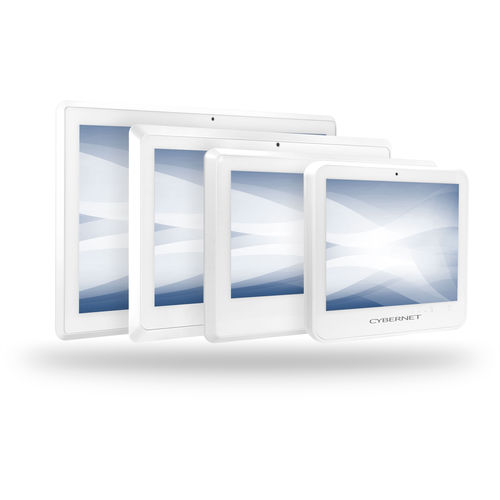
Medical-grade monitors have many purposes and uses throughout healthcare. This means they can have different hardware and software despite looking the same. The following are some of the more common types.
Diagnostic Imaging Medical-Grade Monitors
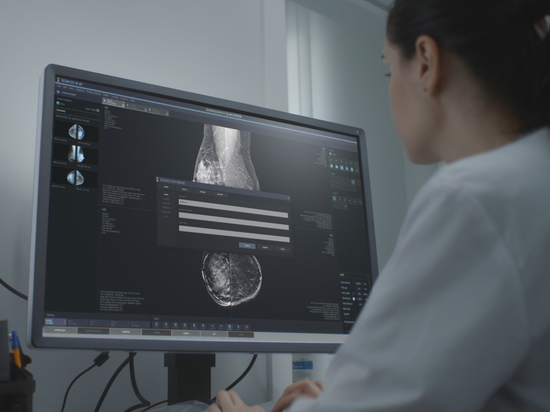
Used by the radiology department and similar specialties. High resolution and precise color reproduction are essential for these medical-grade monitors as they're used for hard-to-detect conditions like breast cancer. They must also be built metal-free to be used safely near MRI machines.
Surgical Medical-Grade Monitors
Found in operating theaters and similar rooms. Images must be clear and highly detailed, as many operations are too small to see with the naked eye (example: colonoscopies). Those same images must also be visible despite the glare and reflections from bright surgical lighting.
Patient Medical-Grade Monitoring Displays
Used to display a patient's vital signs, like body temperature and pulse. They must be clear and easily readable, as providers and other medical personnel use the displayed data to evaluate patients and update their electronic healthcare records properly.
Clinical Review Medical-Grade Monitors
Located wherever patient readouts and images are displayed continuously and in real-time. Such data must be clear and easy to read. These monitors are very common in cardiology, pathology, and – of course – radiology.
Workstation on Wheels (WoW) Medical-Grade Monitor
WoWs and computer carts allow providers, nurses, and other healthcare personnel to travel from patient to patient and provide point-of-care (POC) service. Besides displaying clear and readable images, medical-grade monitors on WoWs should be rugged enough to handle the constant jostling and bumping from so much traveling.
Battery-Powered Medical Display
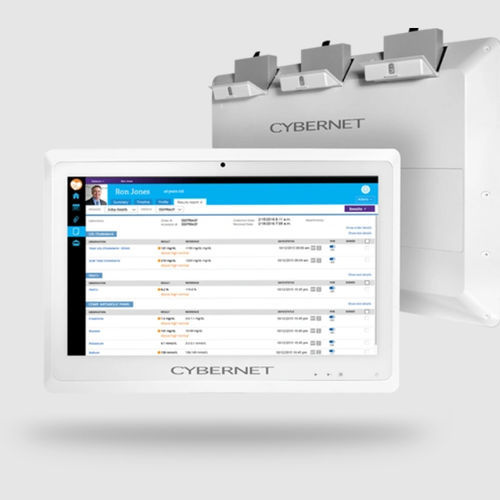
These medical-grade monitors are powered by rechargeable batteries. Mounted on a WoW, they are both a display and a power source for thin client PCs and accessories. The batteries are hot-swappable, allowing users to exchange spent ones for new batteries without shutting the entire thing down. This makes them ideal for 24/7 usage.
Benefits of Medical-Grade Monitors
Medical-grade monitors are specifically engineered for use in hospitals and similar healthcare environments, leading to several significant advantages.
Enhancement of Patient Safety - One of the primary benefits of medical-grade monitors is their 60601-1 certification ensuring they pose no risk to patients or interference with other nearby medical equipment. This is crucial in critical care settings where any disruption could potentially compromise patient safety.
Superior Image Quality - These monitors are meticulously calibrated to achieve exceptional color accuracy, luminance, and brightness. Such precise tuning is essential for healthcare providers, as it allows for high-resolution images that are crucial for accurate diagnostics. For instance, many of these specialized monitors can render images with up to 65,536 shades of gray, which is particularly beneficial for radiologists who require exceptional detail in their imaging examinations.
Compliance with Regulatory Standards - Medical monitors are designed to adhere to strict regulatory standards, like the Digital Imaging and Communications in Medicine (DICOM) standard (ISO 12052). This compliance ensures that images are displayed consistently and accurately, regardless of the computer system's specs or the graphic card in use.
Robust Durability and Reliability - Given that medical facilities operate around the clock, it is imperative that monitors maintain high performance under constant use. Unlike consumer-grade monitors, which are not built for such demanding environments, medical-grade monitors are constructed to endure the rigors of a 24/7 operation, ensuring continuous reliability.
Hygienic Design - The importance of maintaining sterile environments in hospitals drives staff to invest considerable effort in cleanliness. Medical-grade monitors, particularly those with an IP65 rating, are designed with sealed components that safeguard their internals from the potentially damaging effects of aggressive cleaning agents and harsh disinfectants. This protection not only extends the life of the equipment but also supports the facility’s hygiene protocols.
Selecting the Right Medical-Grade Monitor
So, what should healthcare IT (HIT) look for when purchasing medical-grade monitors? Important points to think about include:
How will the medical-grade monitor be used? Remember, each department uses its medical displays differently. So HIT should ask: Will the monitor be used to review images to aid in patient diagnosis? Or pull up EMR records or the patient's vitals in real time? Even issues like screen glare may need to be considered (as in the case of surgical monitors).
What is your budget? Medical-grade monitors are more costly than off-the-shelf brands. That price tag can rise if they have even more requirements, like displays used in MRI labs. On the other hand, they have a better ROI as they're built to last longer than consumer models.
Can it work with outdated medical equipment and devices? Many hospitals and other medical facilities run legacy devices: older hardware and software that are no longer supported by their original vendor but still vital to their customers’ operations. Your medical-grade monitors should have legacy ports to connect with them.
What is the vendor’s support? Finally, consider where you buy your medical-grade monitors. Resellers give you a greater selection of models, while original equipment manufacturers offer only their products. On the other hand, you'll find OEMs far more open to negotiating prices, customizing features, and providing support since they have complete control over such factors.
Meeting Your Medical-Grade Monitor Needs with Cybernet Manufacturing
In today’s fast-paced medical environment, healthcare providers depend on high-performance monitors for a wide array of crucial tasks, from examining detailed electronic health records to observing intricate surgeries deep within patients' bodies. The clarity of the images displayed on these screens is absolutely vital, as they must remain sharp and legible, even in the challenging and often chaotic atmosphere of hospitals and medical facilities. Medical-grade monitors are specifically designed to deliver the stunningly accurate images essential for effective diagnosis and treatment. Their reliability and precision provides peace of mind to both practitioners and patients alike.
Contact a Cybernet team professional if you're looking for medical-grade monitors for your healthcare group. They'll be happy to review the numerous advantages: failure rates below 0.5 percent, military-grade standard components, an extended lifecycle, and a 3-to-5-year warranty. As an OEM, Cybernet can customize virtually any component if our pre-built models don't meet your exact wants and needs.