#Industry News
How Hospice Care Technology Benefits Patients and Families
Bringing love and dignity to patients at end-of-life
What is Hospice Care?
Hospice care represents a compassionate branch of palliative care, dedicated to ensuring comfort and enhancing the quality of life for individuals facing terminal illness. It specifically caters to patients whose time is measured in months, often six or fewer, offering a serene and supportive environment during their final journey. Through a holistic approach, hospice care embraces not only the physical needs of these patients but also nurtures their emotional and spiritual well-being, allowing them to spend their remaining days surrounded by love and dignity.
Application of Hospice Care Technology
Hospice care technology encompasses devices, equipment, and systems that support hospice patient care and comfort. This may be direct, such as a watch monitoring the patient's heartbeat, or indirect, like VR goggles used to train a hospice team. The following four are a sample of the technology and the challenges it addresses.
Connectivity via Telehospice
Telehealth is a groundbreaking technology that bridges the gap between patients and healthcare providers, enabling them to connect seamlessly without being physically present in the same location. This innovative approach utilizes telephone calls and, more frequently, vibrant virtual interactions through video conferencing platforms, such as Zoom, creating an accessible and flexible healthcare experience.
Telehospice, a specialized branch of telehealth, takes this concept further by fostering connections among hospice residents, dedicated facility staff, caring caregivers, and their loved ones. It enhances the quality of end-of-life care by enabling real-time communication with off-site medical professionals, ensuring that compassionate support and expert guidance are always within reach, even when physical distance separates them.
Watching 24/7 via Remote Patient Monitoring
As its name implies, remote patient monitoring (RPM) tracks patient vitals, such as heart rate and breathing, and transmits the data to medical staff who are monitoring remotely.
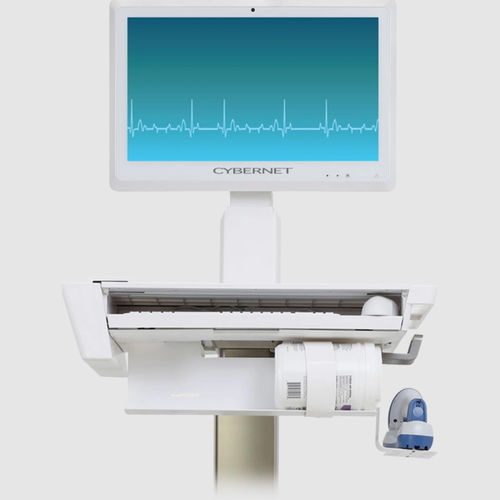
RPM devices range from EKG machines connected directly to hospice patients to wearables, such as heart-monitoring bracelets.
Relief and Training through Virtual Reality
Virtual reality (VR) is a 3D simulation created by computers. Viewers can experience these images through helmets or goggles, or even feel them via haptic feedback from special gloves and clothing.
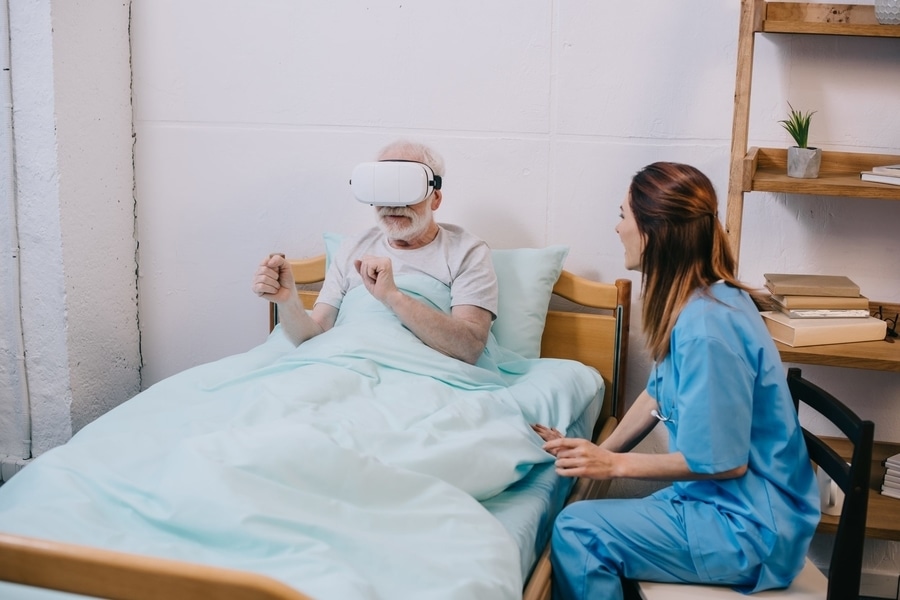
Hospice patients can use VR to relax or reduce anxiety. Hospice nurses and other team members benefit from the technology as a teaching tool, learning how to provide the best possible comfort and care for patients nearing the end of their lives, as well as handle their passing.
Artificial Intelligence and the Management of Minutiae
Artificial intelligence (AI) is a computer program that simulates human thinking, including learning, understanding, and problem-solving. Though relatively new, AI is making significant inroads across the medical field, including hospice care.
AI use in hospice is numerous. AI computers using predictive analytics to forecast a patient's remaining lifespan, generating personalized care plans, and managing electronic medical records (EMR) are just a few ways the technology is meeting hospice’s challenges.
Benefits of Hospice Care Technology
Hospice patients and their caregivers have benefited dramatically from healthcare technologies like medical computers, where they have:
Connected residents with providers for checkups without leaving their residences or hospice facilities. This greatly aids those with mobility issues or who are seriously ill. Patients can also stay connected to loved ones, even if they are far away or in a different time zone.
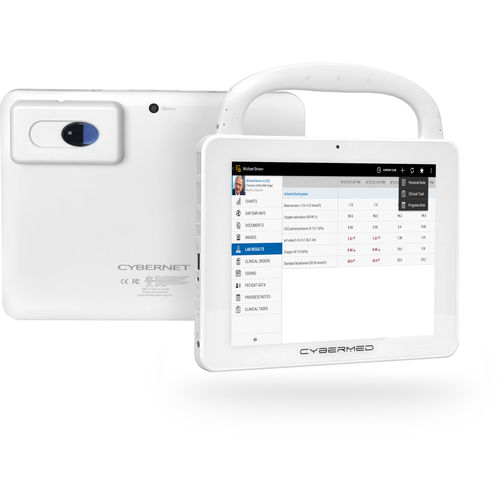
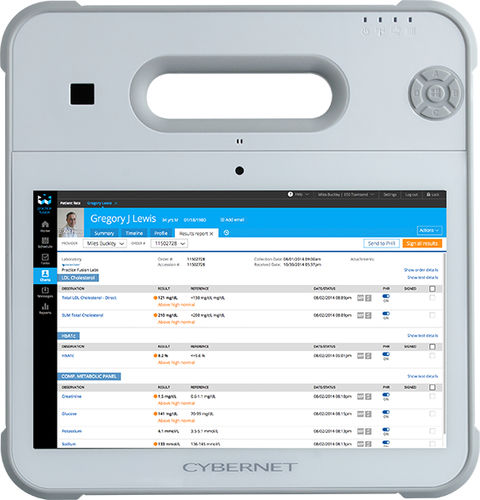
Provided patient information to caregivers through their medical-grade tablets. Caregivers also benefit, as they can suffer depression, health issues, financial problems, and even death due to the stress of the job.
Allowed providers and other medical staff to monitor the hospice patient's conditions remotely and in real time. They can contact caregivers onsite if further treatment is necessary or 911 for emergencies.
Reduced patient anxiety and other distress through pleasant virtual experiences like relaxing beaches or vacation pictures.
Trained new caregivers via VR or allowed remote consultation with specialists on difficult patients or complex treatments.
Personalized patient treatment plans, drug dosages, and even sleep schedules are made possible thanks to AI-driven systems. This not only results in more high-quality care but also lower costs as unnecessary or costly procedures are flagged and stopped.
Choosing the Right Hospice Care Technology for You
Medical groups looking at hospice care technology should ask themselves the following:
What are the Specific Challenges You're Answering?
You should ensure that your medical devices and equipment solve your specific hospice care challenges. Example: Do you need to constantly monitor patients' vitals? Or can the caregiver obtain the data and transmit it to you? The answers to these questions require different solutions.
Is the New Technology Compatible?
When selecting hospice care technology, it’s crucial to ensure that it integrates seamlessly with your existing healthcare systems and networks. For instance, consider whether you can effortlessly access patients' Electronic Medical Records (EMRs) at both the hospital and hospice facilities. Picture the challenges that may arise if your healthcare IT team and staff are burdened with managing two disparate sets of records. Opting for medical PCs that boast legacy compatibility can significantly facilitate a seamless exchange of information between older and newer systems, paving the way for a more integrated and efficient care experience. Ensure that any hospice care technology is compatible with your current healthcare systems and networks. Example: Can you seamlessly bring up patients' EMRs at the hospital and hospice facilities? Or will your healthcare IT and staff have to manage two sets of records? Medical PCs with legacy compatibility can go a long way in ensuring a seamless transition between older and newer systems.
Are Patients' Information Protected?
Patient data is highly sensitive and protected by regulations such as HIPAA. You should review any hospice technology, such as all-in-one medical PCs, to ensure they're secure against potential breaches. Built-in RFID readers and Imprivata Single Sign-On ensure that only approved hospice staff can access a patient's EMR and their details.
Is the Technology Within Budget?
When evaluating hospice care technology, it's essential to calculate the total costs involved. This includes not only the initial setup expenses but also ongoing maintenance fees. Considerations should include whether the equipment or software will require future upgrades, any annual subscription fees, and potential costs associated with migrating data to the new systems. Addressing these key factors will help ensure a favorable return on investment (ROI) over time. Engaging with a genuine original equipment manufacturer (OEM) can provide valuable insights, as they possess in-depth knowledge of their products and services, unlike resellers. This familiarity enables them to answer questions more thoroughly and accurately.
Master Your Hospice Care Technology with Computers By Cybernet
Hospice care focuses on comfort at the end of life. The growing population presents numerous challenges for hospice care, which supports patients with a life expectancy of six months or less. Technology is helping meet these challenges, and tools like telemedicine and AI help to achieve this critical goal. Thanks to the digital transformation in healthcare, technologies like AI offer personalized care, and telehospice allows family members to connect with loved ones from afar.
Contact the team at Cybernet today if you and your hospice team are looking for the right solutions for your needs. We're an OEM and control the entire design and bill of materials for our lineup. Not finding what you're looking for among our numerous pre-builts? No problem! We have years of experience in the medical technology field, and we are confident we can custom-build one to meet your exact specifications.