#Product Trends
Hospital Smart Room Technology: Things To Know
Let the hospital bed, not busy nurses, keep an eye on patients
The hospital room becomes the center of a patient's life when they are admitted to the hospital. The same is nearly true for the attending medical staff, who examine the patient, take tests, update records, and so on.
Due to the room's importance, medical groups are turning to hospital smart room technology to enhance patient comfort while also improving staff efficiency: voice control, connected apps, and AI-powered computers.
What is Hospital Smart Room Technology?
Smart room technologies encompass a range of innovative devices and systems. These sophisticated tools not only track patient vital signs and monitor health conditions but also contribute to a calming atmosphere that promotes relaxation and healing.
With these advancements, medical staff can perform their tasks with increased efficiency. This dual functionality ensures that patients experience a nurturing space while healthcare providers can focus on delivering exceptional care to a larger number of individuals without the risk of burnout. Everyone benefits: patients enjoy a more serene experience, and providers can maintain their well-being while fulfilling their vital roles.
Key Applications of Smart Room Technology in Hospitals
The technologies used in hospital smart rooms are numerous. The following five are among the most common ones.
Smart Hospital Beds
Modern hospital beds have undergone significant evolution, offering adjustable features that enhance patient comfort while facilitating easier access for medical staff to provide care. Smart hospital beds take this innovation to a new level. Equipped with advanced sensors integrated into their mattresses, these beds can autonomously adjust their position in response to signs of patient discomfort or to proactively prevent the development of pressure ulcers. This task traditionally required constant attention from nursing staff.
In addition to their self-adjusting capabilities, smart hospital beds are designed to continuously monitor critical patient vitals, such as heart rate, respiratory rate, and oxygen saturation. Should any abnormalities or complications be detected, the system immediately sends alerts to the medical team, ensuring swift intervention and response. Furthermore, they can recognize if a patient is attempting to get up unassisted and will notify the staff. This integration of technology not only improves the overall standard of care but also optimizes the workflow for medical personnel, allowing them to focus more on direct patient interaction and treatment.
Digital Whiteboard
Hospitals have increasingly adopted digital whiteboards to enhance communication and patient management. These modern displays serve as a vital tool for conveying a variety of important information, such as medication schedules, discharge details, and real-time pain assessments. Unlike traditional whiteboards, which require dry-erase markers and are susceptible to fading and damage over time, digital whiteboards offer a durable and dynamic alternative.
These advanced systems allow for seamless updates, ensuring that information is current and readily available. By integrating with patients' electronic medical records (EMRs), healthcare providers can access relevant data instantly. Additionally, the interactive touchscreen feature empowers medical staff to input information directly, facilitating immediate adjustments and reducing the likelihood of errors. This technological innovation not only streamlines communication among caregivers but also fosters a more informed and engaged patient experience.
Voice Control
In today's advanced healthcare landscape, both patients and medical staff possess a high level of familiarity with technology, harnessing the power of voice control to navigate a multitude of applications. With smart hospital rooms, patients have the remarkable ability to transform their immediate environment with just the sound of their voice. How? They can adjust everything from the soothing warmth of the room temperature to the gentle glow of the lighting. This seamless command allows them to remain nestled in the comfort of their beds, a tremendous advantage for those seeking rest or coping with limited mobility. Meanwhile, nurses, who once dedicated their time to making these adjustments, are now liberated to focus on more critical tasks and attend to a greater number of patients.
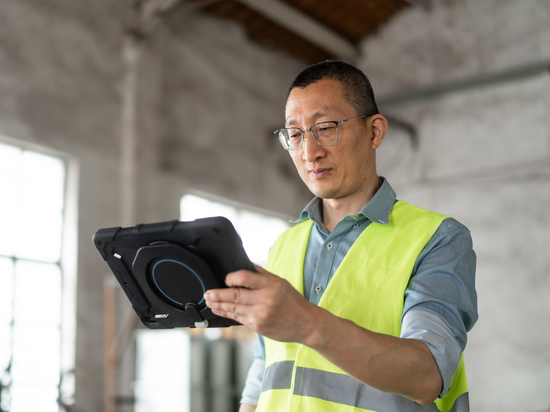
And if the patient is not comfortable with voice control, they can switch to something more familiar: mobile apps. Many standard hospital room devices, such as televisions and telephones, are now controlled by mobile apps. Patients can access them via their smartphone or a provided medical tablet. They can order food on their own as well as bring up their favorite forms of infotainment. They can stay informed about their medical treatment by accessing their EMR to receive specific updates. And when it's time to leave, patients can review aftercare and discharge instructions at their leisure. Such greater control can ease patient worries while removing another routine task from the medical staff.
Fall Prevention
In the United States, it is estimated that between 700,000 and 1,000,000 patients experience falls within hospitals each year, posing significant risks to their recovery and well-being. To mitigate these dangers, smart hospital rooms are equipped with advanced technology designed to enhance patient safety.
And what is this advanced technology? Smart beds incorporate pressure-sensitive pads that can immediately alert healthcare staff if a patient attempts to rise without assistance, allowing for a swift response. Additionally, virtual patient sitters utilize continuous video monitoring to oversee high-risk patients from a distance, ensuring that trained personnel can intervene promptly if needed. This remote observation not only increases the level of care but also reduces the burden on on-site staff.
Moreover, artificial intelligence systems are being integrated to analyze data from medical-grade monitors, potentially taking over the role traditionally held by medical personnel who have monitored these devices. By automating this process, healthcare workers can redirect their attention toward more urgent and complex patient care tasks, ultimately enhancing the overall efficiency and safety of hospital services.
The Tangible Benefits of Smart Hospital Rooms
The benefits of hospital smart room technology are numerous, as they positively affect patients and medical staff:
Patient problems can be identified earlier, and medical intervention can be undertaken as soon as possible thanks to real-time monitoring by smart beds, virtual patient sitters, and medical wearables.
Digital whiteboards are straightforward and easy to read, and they are updated in real-time. Healthcare staff operate more efficiently; they don't need to spend time trying to understand notes written on whiteboards or log into various computer systems to get information.
Patients experience less discomfort and anxiety during their hospital stay, as they have greater control over their room, including its temperature and lighting, as well as staying in touch with family members.
Many routine tasks, such as changing patients' positions in their beds and adjusting room temperatures, are handled automatically, freeing nursing staff to focus on more urgent tasks and issues.
Selecting the Ideal Smart Room Technology for Your Hospital
Healthcare groups that decide to put smart room technologies in their hospitals should consider the following three questions:
What's the Technology's Purpose?
Are the devices primarily to aid the patient, medical staff, or a combination of both? For example, is the smart bed designed to give patients control over their environment? Or are they mainly used to monitor patient vitals, as well as to give staff easier access during examinations?
How Will the Technology Be Set Up?
This question addresses the technologies involved in the hospital room. In the example above, the equipment involved may include the smart bed and medical box PCs, with the latter controlling the fixtures. Smart rooms for monitoring may need a camera-equipped medical computer placed on a workstation on wheels. And so on. Staff should conduct practice runs in the room with physical beds to experience what the patient would experience in the smart hospital room.
Who'll be Using the Technology?
This question addresses those who'll be using the hospital smart room and its devices. Medical groups should look beyond just the patient and their nurses. Will providers benefit from technology? If so, how? What about other medical professionals, such as physical therapists and pharmacists? Visitors, such as the patient's family members, should also be considered, as they may interact with the technology.
Let Cybernet Computers Power Your Hospital Smart Room Technology
Hospital smart room technology enhances patient comfort and improves staff efficiency. Discover the latest technology, from smart beds to medical computers.
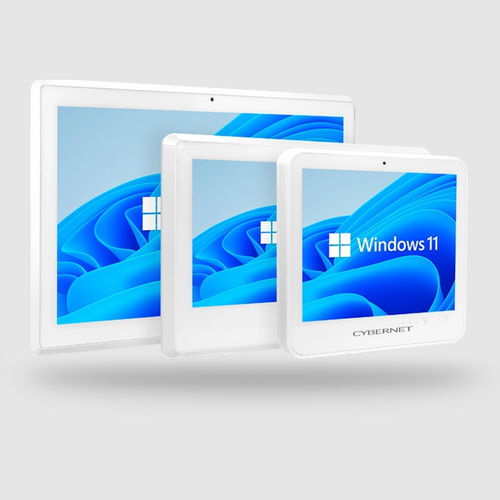
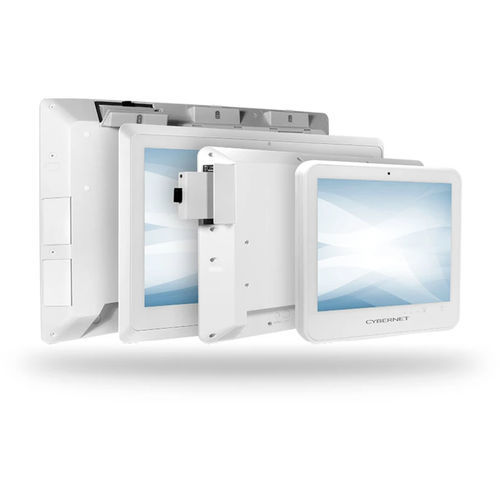
Contact an expert at Cybernet Manufacturing if you're looking to implement smart room technology in your hospital. We offer a range of medical computers, from pre-built all-in-one medical PCs to customized solutions. We're confident we can work out the ideal solution for your exact wants and needs.