#Product Trends
ROBOTS IN THE HEALTHCARE INDUSTRY: TYPES, BENEFITS, AND CASES
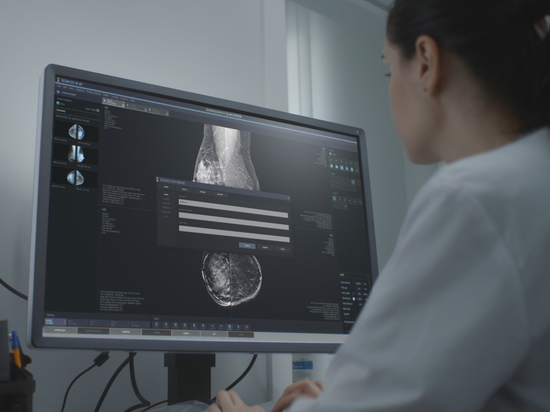
No hype: AI and robots are really in the operating room
The digital transformation of healthcare brought electronics to medicine. While people are familiar with EKG machines and electronic medical records, few are aware of the inroads robotics has made in the sector. They are there, though, increasingly in use since the first surgical robots performed a stereotactic brain biopsy in 1985.
Today, robotics can be found throughout the healthcare industry, transforming everything from surgical procedures to patient care and comfort.
What is Robotics in Healthcare?
Types of Robots Used in Healthcare
Key Benefits of Robots in the Healthcare Industry
How AI is Transforming Healthcare Robotics
Bringing Robotics to Your Healthcare Group
What is Robotics in Healthcare?
Robotics is a dynamic field of engineering dedicated to the imaginative design, meticulous construction, and seamless operation of robots—machines crafted to undertake tasks traditionally performed by humans. Many are acquainted with the industrious robots that populate factory floors, tirelessly executing highly repetitive, perilous, or intricate tasks, such as the precise assembly of gleaming new automobiles. These mechanical marvels symbolize the fusion of technology and innovation, transforming the way we approach labor and efficiency in our modern world.
Most robotics in medicine is aimed, unsurprisingly, towards patient care. Surgical robots, such as the Da Vinci system, are well-known examples. Other robots monitor patients, assist with mobility, and aid in physical rehabilitation.
Types of Robots Used in Healthcare
Robotics in healthcare is categorized into various types, reflecting their specific uses or specialties within the industry.
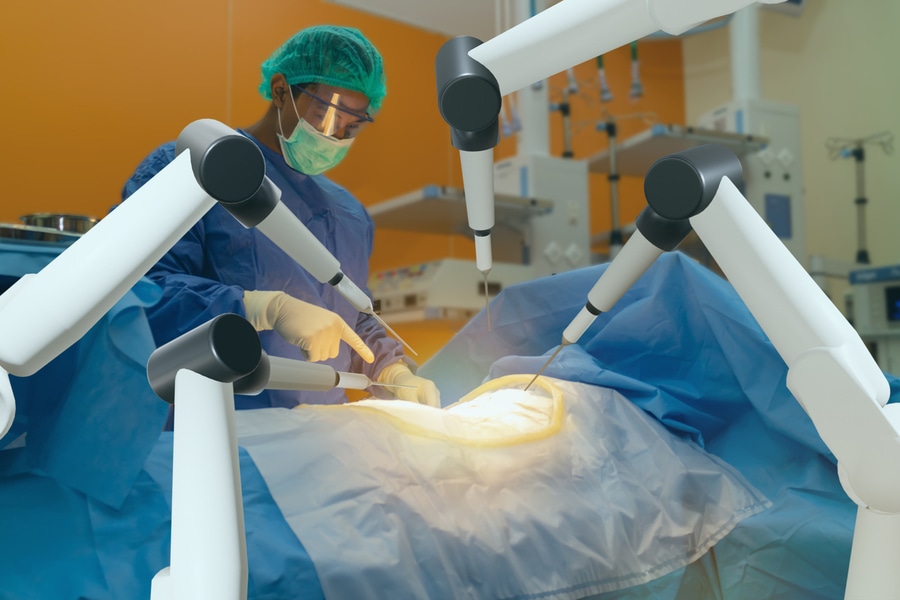
Surgical-assistance robots are designed to augment existing surgical treatments. They do so by enhancing the surgeon's skills. As mentioned earlier, the Da Vinci robot is a well-known example of this type of medical robot.
Sanitization and disinfection robots, as their names imply, aid in ongoing hospital cleaning and the disinfection of medical equipment to protect patients (and staff) from potential infections. Many use UV light and hydrogen peroxide vapors to complete their assignments.
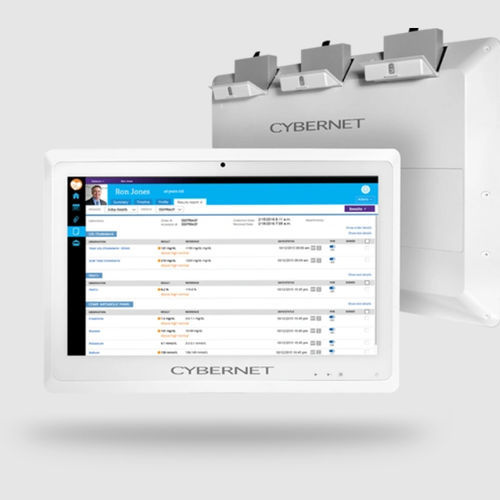
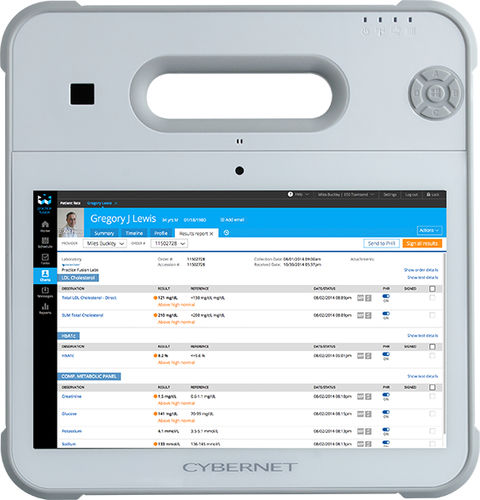
Hospital logistic robots prepare patient rooms, track supplies, and restock medical supplies. Many are autonomous mobile robots, or AMRs, that travel along a wire or predefined track on the hospital floor, or are controlled remotely by providers via a medical computer tablet.
Nursing robots automatically monitor patients' vital signs as they're transported throughout the hospital.
Rehabilitation robots are exoskeletons that are placed on patients with severe injuries or disabilities. They provide both aid and support as the patient relearns movements, such as walking.
Key Benefits of Robots in the Healthcare Industry
The integration of robotics in the medical field brings forth a comparable array of benefits, with a focus on enhancing patient care. These robotic systems aim to revolutionize healthcare delivery, ensuring that patients receive precise, efficient, and compassionate care tailored to their individual needs.
Surgical Robots
Robots have the remarkable ability to transcend the physical limitations of the human body, particularly in the realms of vision and dexterity. Surgical robots, for instance, are revolutionizing the operating room, empowering surgeons to execute intricate procedures with unparalleled precision. These advanced machines facilitate minimally invasive surgeries that not only enhance the accuracy of the interventions but also minimize the associated risks. The outcome is nothing short of transformative, leading to higher success rates and significantly shorter recovery times for patients, allowing them to return to their lives more swiftly and with reduced discomfort.
Companion Robots
These innovative robots interact with elderly, disabled, and hospice patients, fostering engaging conversations that bring a spark of life to their days. Seamlessly complementing the compassion and dedication of nurses and caregivers, these machines serve not only as companions but also as sources of comfort and joy. In this harmonious collaboration, patients are shielded from the shadows of pain, loneliness, and boredom, allowing them to experience warmth and connection in their daily lives.
Hospital Logistics Robots
Inventory tracking plays a vital and routine role in the seamless operation of hospitals. However, the pressing reality of understaffing in many healthcare facilities often leads to frustrating inventory shortages and mismanagement. In this challenging environment, hospital logistics robots emerge as invaluable allies, tirelessly assisting human staff. These advanced machines navigate through bustling corridors, ensuring that essential supplies, critical equipment, and life-saving medications are always at the ready, precisely where and when they are needed most.
Cleaning and Disinfection Robots
Sanitation is a cornerstone of maintaining a safe and healthy hospital environment. Every nook and cranny of the facility, from the freshly painted walls of a patient's room to the sleek, IP65-sealed screen of advanced medical computers, requires frequent and meticulous cleaning and disinfecting to thwart the potential spread of infections. Enter the mobile robots, tireless sentinels of cleanliness, equipped to tackle this vital task. With their efficient cleaning and disinfecting capabilities, these robots allow healthcare workers to redirect their energy and attention toward what truly matters: caring for patients and engaging in other meaningful, value-driven activities. Their presence not only enhances the level of hygiene but also transforms the dynamics of healthcare, fostering a safer, more focused environment for both staff and patients alike.
How AI is Transforming Healthcare Robotics
While artificial intelligence (AI) predates robotics in medicine, it has seen near-explosive growth since 2019 and continues to grow. AI is being used to:
Aid in diagnostics by sorting and organizing data far faster than humans.
Automate many tedious or time-consuming tasks, like appointment scheduling.
Look for patterns in data to predict drug treatment outcomes.
Converse effectively with patients and even medical staff via AI-driven chatbots.
Inroads of AI in robotics for the healthcare industry are at the cutting edge of both technologies. Medical groups are looking to leverage the combo in various ways.
Humanoid-shaped robots that engage with patients, keeping their aging minds focused and sharp.
The robotic arm sutures the patient's wound after an operation, a task typically performed by the surgeon or their surgical team.
Scan and complete an ultrasound on a patient without a medical technician's guidance.
Bringing Robotics to Your Healthcare Group
The benefits of robotics in medicine have healthcare organizations scrambling to integrate these machines into their facilities. To maximize their success, stakeholders involved, like clinicians, administrators, and IT specialists, should ask the following:
What will it be used for? Robots are highly versatile, especially when paired with a medical AI computer. Have a clear use case for each robot, whether it'll help reduce provider burnout or improve procedural precision in complex surgeries.
What are the safety protocols? Most robots in healthcare will be dealing with people in one form or another. While surgical robots are the most obvious example, even monitoring robots, which track a patient's vitals, should be vetted to operate safely around them and their medical devices (medical-grade).
How is data secured? Medical data is highly confidential; patient information, in particular, is protected legally through mandates such as the Health Insurance Portability and Accountability Act (HIPAA). Robots accessing such information should have their computers equipped with data security features, such as Single Sign-On (to authenticate users) and data encryption.
What is the budget? Unsurprisingly, robots in the healthcare industry are expensive: surgical robots cost hospitals $1-3 million each. This does not include installation, training in its use, service fees, or other related expenses. Working with an Original Equipment Manufacturer can help offset upfront costs as well as long-term expenses, such as maintenance.
Control Robotics in Medicine via Cybernet
Robotics in medicine brings automation to healthcare. Examples range from surgical arms to AI chatbots. Both benefits and challenges are numerous.
A form of automation in healthcare, robotics in medicine brings various robots for patient care, from surgical arms to autonomous mobile carriers. And while they offer many advantages, they also pose challenges for medical personnel in integrating the machines into workflows.
Contact an expert at Cybernet if your medical group is considering introducing robots to your medical offices, clinics, or hospitals. We'll happily cover the advantages and challenges, as well as how our medical-grade computers, monitors, and AI medical PCs can address many of them.