#Product Trends
Best Computers for Medical Coding & Billing: What to Look For
Ensure medical codes are spy-worthy
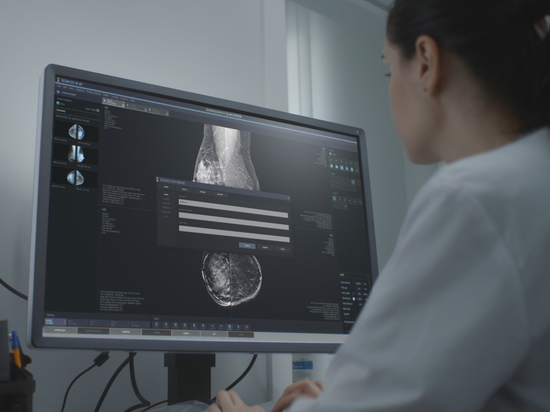
Medical coders and billers are unsung heroes in healthcare. While coders translate providers' diagnostic and procedural notes into the correct codes for tracking, billers process billing paperwork to ensure providers receive payments from insurance companies for services rendered. Medical computers have been specially designed so that coders and billers can complete their essential tasks within the constraints of the healthcare industry.
Basic Code: What is Medical Coding and Billing?
Medical coding and billing involve reviewing medical documents for record-keeping and insurance payments. While usually grouped as one occupation, they are actually two distinct specialties.
Medical coders do medical coding. They spend their workday reviewing doctors' notes from electronic medical records (EMR) and searching for details such as disease names, health problems, and even the tools used. Each detail gets a standard code from lists like Current Procedural Terminology, International Classification of Diseases, and Healthcare Common Procedure Coding System.
As you might expect, medical billers handle medical billing. They review coders' codes to generate bills for insurance companies. Billers have to use the right codes, because mistakes can mean insurance companies refuse to pay. Billers also look into these refusals and collect payment from patients for anything insurance does not cover.
Large healthcare groups can have separate medical coding and billing departments and staff. Given the two's intertwined nature, many typically hire workers skilled in both specialties.
Why Your Computer Matters in Medical Coding & Billing
The digital transformation of healthcare has largely replaced the paper-and-pencil processes once used for coding and billing. Computers offer many advantages.
Multitasking Demands
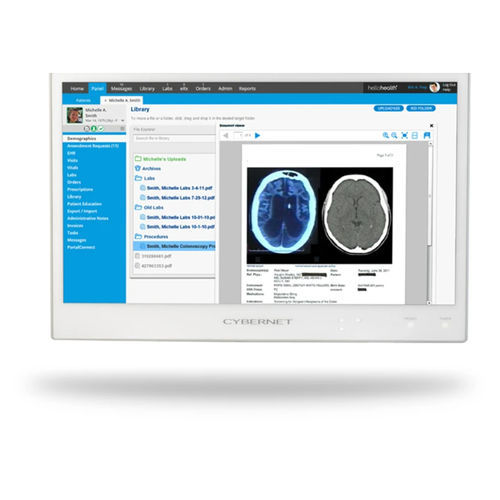
Coders and billers will likely use several programs during a typical workday, such as electronic medical record systems, web browsers, coding and billing software, and office programs. A medical all-in-one computer can handle all of these and more.
Data Security
Patient health information (PHI) is protected by numerous legal regulations (example: HIPAA). Properly-equipped computers will include the necessary data security features to protect PHI from unauthorized users and cyberattacks.
Efficiency and Accuracy
Computers used for medical and coding have been optimized with the right combination of hardware and software to provide quick loading times and seamless transitions between applications. Coders and billers can then process more claims and look up codes faster while keeping errors to a minimum.
Remote Work Capabilities
Today, many medical coding and billing tasks are done off-site. Coders and billers should ensure their computers can work effectively from any location. This includes encryption and other cybersecurity features to protect PHI.
Future-Proof
Technology changes fast. But healthcare keeps its medical equipment and computers longer than most people do at home. Computers for coding and billing need to break down as little as possible. This helps them get the most value for their money, which matters because most medical groups have tight budgets.
Key Factors to Consider When Buying a Computer
Healthcare IT (HIT) should ask themselves the following when equipping the medical group's medical coders and billers with computers.
Which Operating System (OS)?
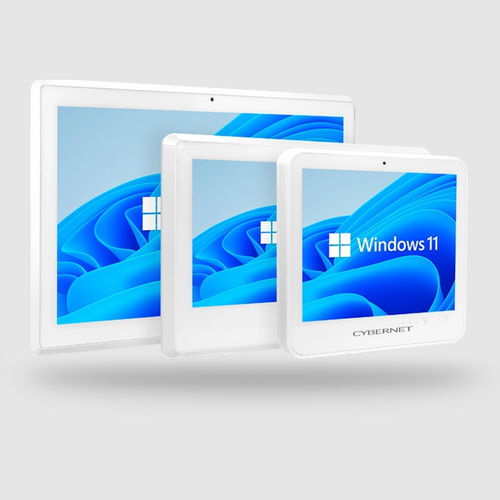
An operating system manages the computer's hardware and software. Windows is the most common system; it works with most coding and billing software and is familiar to most people because it is popular at home and work.
Which Processor (CPU)?
The "brain" of the computer. For medical coding and billing, the CPU needs to be able to handle multiple applications simultaneously without slowing down or stuttering. The Intel processors for business and consumer electronics are a solid choice for coding and billing PCs.
How Much RAM (Memory)?
A computer's RAM allows it to run multiple programs at once. This includes not only coding and billing software, but also browser tabs, office suites, and chat software. Computers for coding and billing should have enough memory to run many applications smoothly and without slowdown. 16GB of RAM is a good amount for such optimal performance.
What's the Best Local Storage System (SSD and HDD)?
Most computers keep their system, programs, and files on a hard drive. Healthcare IT will need to choose between a Hard Disk Drive (HDD) and a Solid State Drive (SSD). HDDs cost less, but they are slower and can break more easily because they have moving parts. SSDs are faster, start up more quickly, and are more reliable because they have no moving parts.
Best Monitor / Display?
Since coders and billers spend virtually all their time at their computers, HIT should ensure their computer screens display sharp text while allowing content to be viewed without excessive scrolling. The display should be at least 17 inches, whether the PC is an AIO or a medical-grade monitor. However, 19 inches is preferable (and no user will ever say no to even larger displays like 20-22 inches!).
How to Keep PHI Secure (Security Features)?
Implement user authentication best practices, such as Imprivata healthcare Single Sign-On and Trusted Platform Modules, to ensure that only authorized coders, billers, and other medical professionals have access to PHI.
Why Medical PC is Best for Coding and Billing
Medical coders and billers spend long hours at a computer, working with lots of electronic files. Because they work in places like medical offices and hospitals, they need computers designed for these settings. Medical PCs are the best choice for coding and billing for these reasons:
Reliability
Medical coders and billers use specialized software or applications to perform their numerous duties. Their PCs must be reliable, as slowdowns and computer crashes could affect hours of highly precise work.
Medical computers are made to be very reliable, which makes sense because a breakdown in a hospital can be very serious. Some features to look for include:
Fanless cooling design: Fanned cooling systems, such as those used in HDDs, have moving parts that can fail, causing the computer to shut down entirely. PC cooling solutions such as fanless cooling pose no such risks. Also, they're silent during operation and won't interrupt the employee's concentration.
IP65 front bezel: The screen is sealed against dust and fluid, protecting the PC's interior from accidental spray by the cleaning crew or spilled coffee during employee breaks.
Safe Screen
As mentioned earlier, medical coders and billers spend hours in front of their monitors. Computer vision syndrome, or digital eye strain, may result from too low brightness, too low resolution, or both. Medical PCs and medical-grade monitors, developed for monitor brightness conditions found in the operating theatre, may help avoid such eye problems (especially when compared to off-the-shelf models). Coders and billers can also protect their eyesight from indoor lights and sunlight with an anti-glare screen.
Privacy from Non-authorized Eyes
Coders and billers work daily with highly sensitive patient data. Privacy filters in healthcare can protect it by obscuring screen views from any angle except directly.
Ergonomics for Well-Being
The long hours at a computer can affect coders' and billers' health, leading to back strain and repetitive injuries such as carpal tunnel. Computers can improve employee ergonomics and well-being in healthcare and work environments in several ways. As discussed above, eyestrain can be avoided with a correctly lit screen. A light, compact design found in many All-in-Ones makes it a breeze for users to position their PCs exactly where they are most comfortable. Finally, ports for peripherals like headphones should all be easy to reach and use without strain in well-designed medical AIOs.
Make Medical Coding and Billing Easy Through Cybernet PCs
Medical coding and billing are important jobs in healthcare. Coders and billers interpret providers' records and notes into codes for various purposes, such as payment for services rendered. Computers must be built from the ground up to handle the demanding work and sometimes harsh healthcare environments.
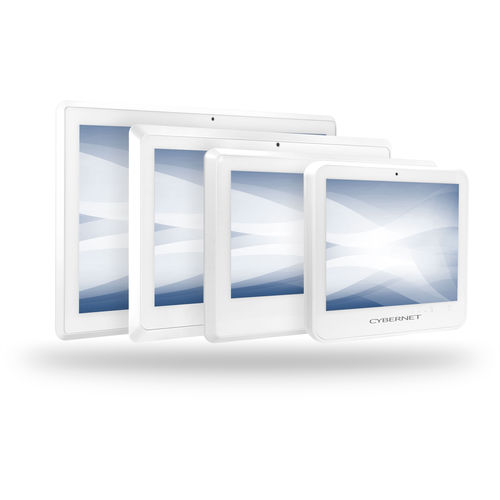
Contact Cybernet Manufacturing if you are looking for the best computers for your medical coding and billing departments. Team members will be happy to discuss the features of our All-in-One medical panel PCs and business computers and explain why they're superior to off-the-shelf brands.