#Product Trends
The Internet of Medical Things: Connecting Patients and Providers
The Internet of Medical Things is key to connecting patients and healthcare providers in ways never thought possible, along with a host of other benefits.
Historically, electronic medical devices have operated independently of one another, requiring human intermediaries. The rise of the Internet and Wi-Fi communication has changed this, enabling devices to share information seamlessly.
Today, the Internet of Medical Things connects medical devices, medical computers, and software applications to deliver improved patient care experiences worldwide.
What is the Internet of Medical Things?
The Internet of Medical Things (IoMT) is the network of medical devices and applications that rely on the Internet to send and receive data. IoMT includes:
- Remote patient monitoring for patients with chronic or long-term conditions
- Tracking medication orders as they are shipped
- Collecting patient data from wearable health devices
- Connecting emergency services to healthcare facilities as they transport patients
IoMT vs. IoT
It’s essential to understand the distinction between IoMT and the broader Internet of Things (IoT). IoT refers to the network of all internet-connected devices worldwide, including everything from Wi-Fi-connected manufacturing machines to autonomous farming equipment that follows a preprogrammed harvesting routine.
IoMT specifically refers to devices used in healthcare, as these devices have additional requirements compared with those used in other sectors. Typically, IoMT devices have stronger cybersecurity features than other devices, given the importance of protecting health information. Because they operate in close proximity to patients' bodies, they must also comply with safety regulations such as IEC 60601-1.
Applications for IoMT
The easiest way to categorize IoMT devices is by how they’re used. The most common use cases are on the patient’s body, in the home, hospital, and broader community.
On-Body IoMT
On-body IoMT medical devices fall into two categories: consumer health wearables and medical-grade wearables.
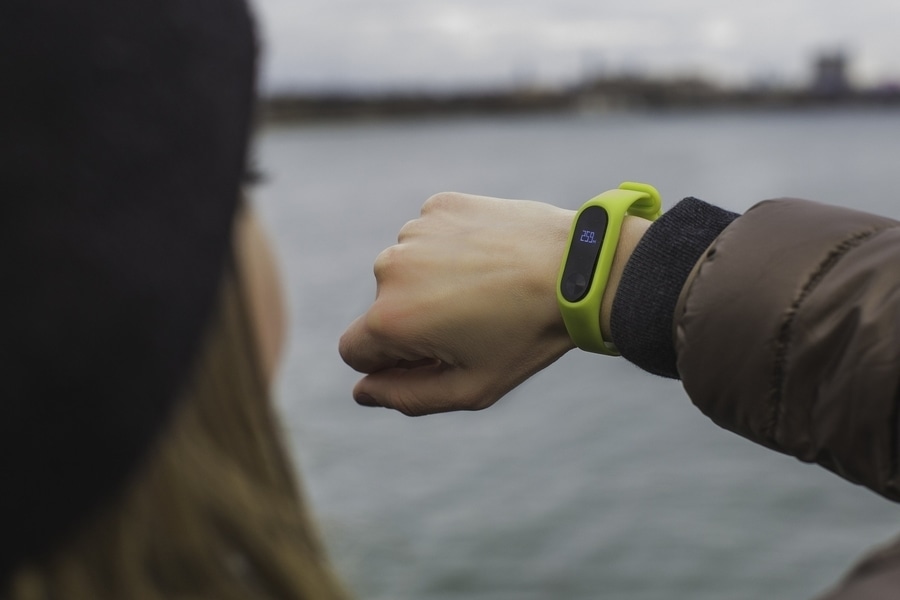
Consumer health wearables are devices used by the general public for personal health and fitness. This includes activity trackers, step counters, sports watches, and innovative garments. Health authorities do not regulate these devices, yet healthcare providers often recommend them for purposes such as weight loss.
Medical-grade wearables, by contrast, are regulated by government agencies such as the Food and Drug Administration and are typically used at a provider’s recommendation. For example, glucose monitoring sensors measure a patient’s blood glucose levels, which is critical for individuals with diabetes.
Regardless of their origin, on-body IoMT devices are designed to be small and lightweight, enabling comfortable all-day wear, thereby allowing providers to monitor patients more closely.
In-Home IoMT
In-home IoMT devices include personal emergency response systems, remote monitoring systems, and telehealth devices. These devices all share a common goal: bridging the physical gap between patients and healthcare providers via digital connections.
Emergency response systems alert EMTs when an emergency occurs and can be activated manually or upon detecting specific parameters (e.g., a fall). This makes them extremely useful for homebound patients or those with limited mobility.
Remote monitoring is also a popular application of IoMT technology, as it allows patients to leave the hospital and return home while still enabling providers to monitor their condition. By placing sensors in the patient’s home to monitor their condition, healthcare teams can free up hospital beds while still keeping an eye on the patient.
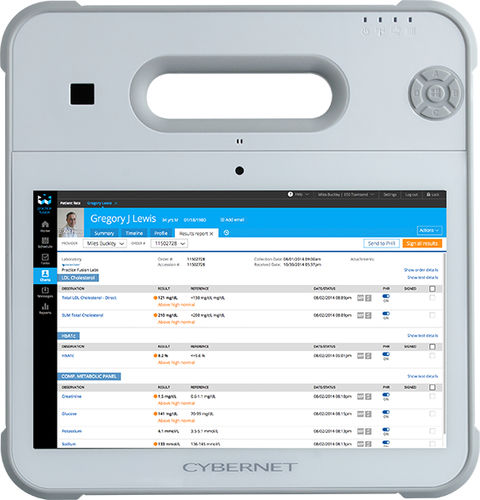
Lastly, telehealth devices and services enable patients to contact providers from home without needing to drive to a hospital or clinic. This is invaluable for patients who live in remote areas or have limited transportation options. With a video consultation, providers can evaluate visual symptoms without ever having to be there in person. This can be done either via a patient’s PC or smartphone or a hospital-issued medical computer tablet.
In-Hospital IoMT
In-hospital IoMT devices encompass a broad range of systems that manage hospital operations. For example, monitoring equipment such as EKG machines and ventilators via IoMT sensors that report to the hospital’s medical panel PCs helps hospital staff track which equipment is being used where. The same can be done to track the use of consumable items such as bandages, IV bags, and personal protective equipment, providing hospital staff with insight into their rate of use and alerting them when they’re running low. IoMT devices can also be used to track both patients and providers, facilitating their location in emergencies.
Community IoMT
Also known as public IoMT, community IoMT refers to devices deployed throughout a town or geographic area. This includes point-of-care kiosks installed in rural areas that dispense medical supplies and connect patients with healthcare providers via a built-in computer. Some kiosks may include basic medical equipment such as thermometers, blood pressure cuffs, and glucose monitors. This provides patients with access to healthcare without requiring hours-long travel to reach a hospital or clinic.
Another application for community IoMT is for emergency services, such as tracking EMT vehicles and assisting first responders. This enables emergency services to respond more quickly to incidents, keep them better informed about how to treat victims, and maintain communication with hospitals prepared to receive them.
The Benefits of IoMT
Properly implemented and supported, the Internet of Medical Things can reap a wide range of benefits for healthcare groups. The most important of these benefits are:
Better Patient Outcomes
With IoMT patient monitoring both in the hospital and at home, providers can track a patient’s condition 24/7 without interruption. This provides providers with deeper insight into a patient’s recovery, enabling them to identify potentially hazardous behaviors and either address them or contact emergency services as needed. In turn, this means patients can recover from illness or be rescued after injury much more quickly.
Improved Patient Engagement
The best way to engage with patients regarding their health is to put information and resources at their literal fingertips. Whether that means an app on their phone that allows them to monitor their heart rate or telehealth appointments with their provider, better-informed patients are often healthier.
Greater Accessibility
One of the most pressing issues for the healthcare sector is the provision of care to patients in remote or disadvantaged communities. IoMT technologies, such as telehealth appointments and patient kiosks, facilitate communication between patients and healthcare providers and support the delivery of care.
Lower Costs
By using remote monitoring and telehealth, patients can go home early or avoid hospital visits entirely, reducing costs for both patients and hospitals. Doing so also helps free up beds and prevent overcrowding at the hospital, thereby further lowering the facility's operating costs.
Easier Logistics
By using IoMT solutions for medical asset tracking, hospital staff can be better informed about the location of their equipment and when to order new supplies. This saves staff from having to locate their equipment or address supply shortages, leading to a smoother workflow.
Considerations and Challenges for IoMT
Like any new technology, IoMT tools present challenges that healthcare organizations must overcome to use them effectively. These challenges include:
Regulatory Issues
Any electronic device that stores or shares protected health information is subject to strict regulations, such as HIPAA. IoMT devices and any information they transmit must be thoroughly secured against external intrusion using tools such as data encryption and access control. This is doubly important due to the second major challenge…
Security and Privacy
Healthcare is one of the most frequently targeted sectors for cybercrime, and IoMT is particularly vulnerable due to its reliance on public internet networks. IoMT devices and their users must adhere to all best practices for cybersecurity in healthcare, including encryption protocols, password protection, and other measures.
Legal Questions
One of the most significant challenges for IoMT is the question of data ownership. Is it the patient, the software provider, or the healthcare group that has final say in how that information is stored, used, and disposed of? New laws are required to answer this question and clearly define ownership, rights, and responsibilities regarding IoMT data.
Implementation Costs
IoMT technology can have high upfront costs, especially for healthcare groups that haven’t yet invested heavily in internet-based tools. One way to reduce this cost is to work with an original equipment manufacturer (OEM), which can customize its computers and tablets to meet your specific requirements. For example, an OEM can design medical computers with both modern and legacy I/O ports, allowing you to use both modern IoMT applications and legacy tools on the same device.
What the Future Holds for the Internet of Medical Things
The increasing accessibility of wireless internet and alternative access methods in healthcare will further expand the Internet of Medical Things. Now more than ever, patients and providers are open to telehealth as a treatment option, and more than 70% of healthcare organizations around the world use some form of IoMT device.
Discover Cybernet’s IoMT-Ready Computers and Tablets
What is the Internet of Medical Things? It’s a convenient solution for bridging the gap between patients and providers, making healthcare more affordable and accessible in a time when we need that more than ever.