#Product Trends
What Is Digital Dentistry? A Complete Guide to Modern Dental Technology & Its Benefits
Discover what digital dentistry is, how it works, and why it's transforming patient care. Learn about 3D printing, AI, and more.
Dentistry has been a part of healthcare since the beginning of medicine. Now, digital dentistry is poised to be the next evolution for the field, bringing tools that make treatment faster, more effective, and more comfortable.
What is Digital Dentistry?
Digital dentistry is the use of modern technologies such as advanced intraoral scanners, computer-assisted design systems, and artificial intelligence to improve the accuracy and comfort of dental procedures.
For much of its history, dentistry has had to rely on basic hand tools to treat patients, which often led to crude, extremely painful treatments. The development of more modern (and humane!) tools, as well as safe and effective painkillers, did much to improve the patient experience, but many procedures remained invasive and uncomfortable.
Digital dentistry aims to overcome this issue by using modern technology and computer-based tools to achieve the same results as current equipment, but faster and with less hassle. For example, one of the most common procedures in dentistry is creating an impression of a patient’s mouth, which is later used during treatment or to create prosthetics. Traditionally, this impression is created by using a putty-like substance to make a cast around the patient’s mouth. Once the cast is set, it has to be sent to another facility to make prosthetics based on that mold, and then the prosthetics are mailed back to the dentist’s office. The patient would then need to schedule another appointment to have the prosthetics installed.
Advances in digital dentistry can radically shorten this timespan. The same outcome as above can be achieved using digital models created from intraoral scanners that capture images of the patient’s mouth. An in-office 3D printer can then use these digital models to make the required prosthetics. Depending on how complex these prosthetics are, they can even be ready for fitting before a patient’s visit ends.
Key Technologies Used in Digital Dentistry
Digital dentistry includes a wide range of computer-based tools, with the most popular being:
Digital Models
As previously described, creating a 3D model of a patient’s mouth is far less invasive than traditional methods. In many cases, simply scanning the patient’s mouth with an intraoral scanner is enough to create an intricate, 100% accurate digital model. This is particularly helpful for patients with severe gag reflexes or sensitive teeth who cannot tolerate keeping a mold in their mouths for extended periods. These accurate 3D models also enable other forms of digital technology, such as…
3D Printing
3D printing (also known as additive manufacturing) is the process of printing objects in three dimensions, typically by adding minuscule amounts of physical material at a time to create the desired object. Digital dental technologies like 3D printing can quickly and easily print custom prosthetics, surgical guides, and more without requiring a dedicated manufacturing setup.
Computer-Aided Design and Manufacturing
Computer-aided design (CAD) and computer-aided manufacturing (CAM) are processes that use modern computers to create and manufacture real-world products. In modern digital dentistry practices, this often takes the form of creating complicated dental restorations that match a patient’s natural teeth color, as well as performing other tasks that previously had to be done manually.
Electronic Health Records
Like the rest of the healthcare sector, dentists have adopted electronic health records (EHRs) to replace older paper-based systems. As digital files, EHRs are far easier to store, update, and share than traditional records. They also help maintain HIPAA compliance with federal requirements, which is essential for any healthcare provider or group.
Digital Radiography
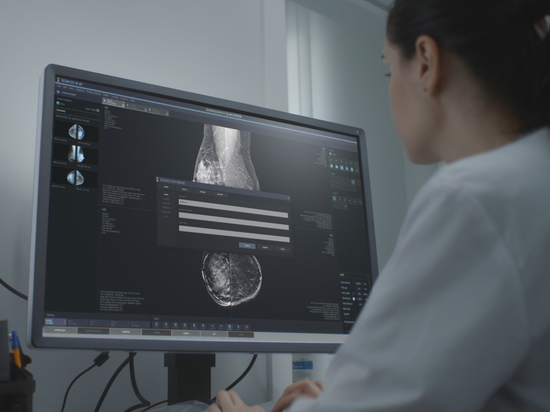
Digital radiography technology records radiographic images as digital files, rather than the physical film used by old-school X-ray machines. This is considerably faster than mailing film to a processing service, having it developed, and then sending it back to the dentist’s office. Digital radiography is also safer, as it involves less radiation exposure, and it is easier to store on an office’s servers or in the cloud.
Artificial Intelligence
AI has been making waves throughout the healthcare sector for over a year now, and digital dentistry technology is no exception. By training dental AI on images of radiographs and intraoral scans, that same AI can help dentists detect visual signs of oral issues such as cavities or fractures. It can also help develop treatment plans by analyzing a patient’s medical records and prior treatments, comparing them to similar cases, and then offering a course of action.
Top Benefits of Digital Dentistry Tools
Now that we understand what digital dentistry is, we can discuss its advantages. Using modern digital tools in the dentist’s office comes with three primary benefits:
Better Diagnostics
First and foremost is the improvement in diagnostics, which has a significant effect later in the treatment process. Digital X-rays and intraoral scans make it easier to detect issues such as cavities, gum disease, and oral cancer early on, letting dentists address them before they spiral out of control. 3D imaging also provides a more comprehensive view of dental structures than 2D representations, making it easier for dentists to plan treatment.
Better Treatment Planning and Execution
With better diagnostics and a better understanding of the patient’s needs, dentists can plan and execute treatments more effectively, as they gain better insights into the patient's condition. With CAD/CAM technology and 3D printing, highly accurate prosthetics can be manufactured and installed quickly. A faster turnaround on prosthetics that better fit the patient’s mouth can spare them weeks or even months of pain and discomfort.
Better Patient Experience
This leads to the final major benefit: a more comfortable experience for patients. Dentist appointments are notoriously stressful and uncomfortable for many patients, so any innovation or technology that reduces this discomfort is a benefit. Faster, less invasive treatments mean less time in the chair, which every patient can appreciate.
Challenges and Considerations in Adopting Digital Dentistry
Just as with any new technology, digital dentistry has certain challenges to overcome. The most important things for dentists' offices to address are:
Hardware Support
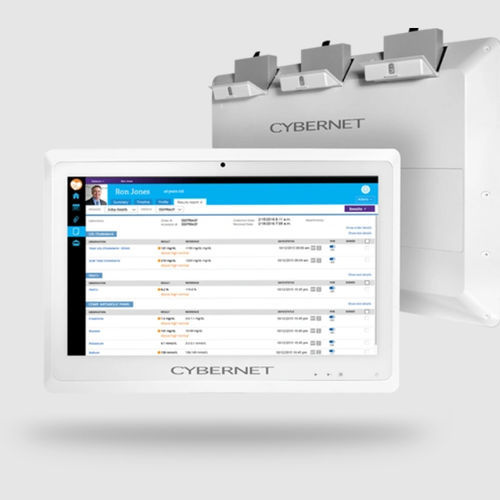
Obviously, new digital tools require the right hardware to support them. Medical computers are an ideal choice for running much of a modern clinic’s operations, as they offer intuitive touchscreen controls, legacy compatibility with both older and newer devices, and ingress protection on their cases to prevent damage from water and other fluids. These factors ensure that dentists have full support from their digital tools, no matter their working conditions or requirements.
Training and Implementation
Obviously, new techniques and tools require time to train with and adapt to. Dentists and their assistants must be able to dedicate the time needed to learn to use these new tools effectively and safely. This will require careful scheduling to avoid interfering with ongoing treatment plans.
Data Security
As dentists increasingly rely on digital tools and information, the need for effective data security in healthcare will grow. Medical-grade computers are a good start toward meeting this requirement, thanks to built-in security measures such as TPM chips and access controls. However, cybersecurity starts and ends with human accountability. Healthcare workers of all stripes, including dentists, must familiarize themselves with best practices of data security, such as spotting phishing attempts.
Digital Dentistry-Ready Computers from Cybernet Manufacturing
What is digital dentistry? It is the tools and practices that are key to delivering better, faster, and less invasive care to patients. However, taking advantage of these innovations will require powerful, reliable hardware to support them.
If your dentist’s practice needs new medical computer tablets and PCs, contact Cybernet Manufacturing. We’d be happy to explore how our devices can support your practice or how we can better customize our products to meet your exact needs.