#Product Trends
WHAT IS TELEHEALTH? A COMPREHENSIVE GUIDE TO VIRTUAL HEALTHCARE DELIVERY
Examining patients from a distance
The days when patients had to visit providers' offices for diagnosis and treatment are long gone. Providers can deliver quality healthcare to their patients from a distance thanks to telehealth, whether they're living in remote rural areas or are too infirm to leave their care facility. While the technology can pose challenges for medical groups, these challenges can be addressed with the right plan and a step-by-step implementation approach.
What Is Telehealth?
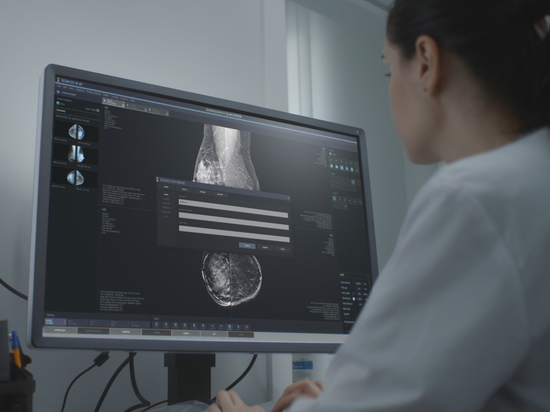
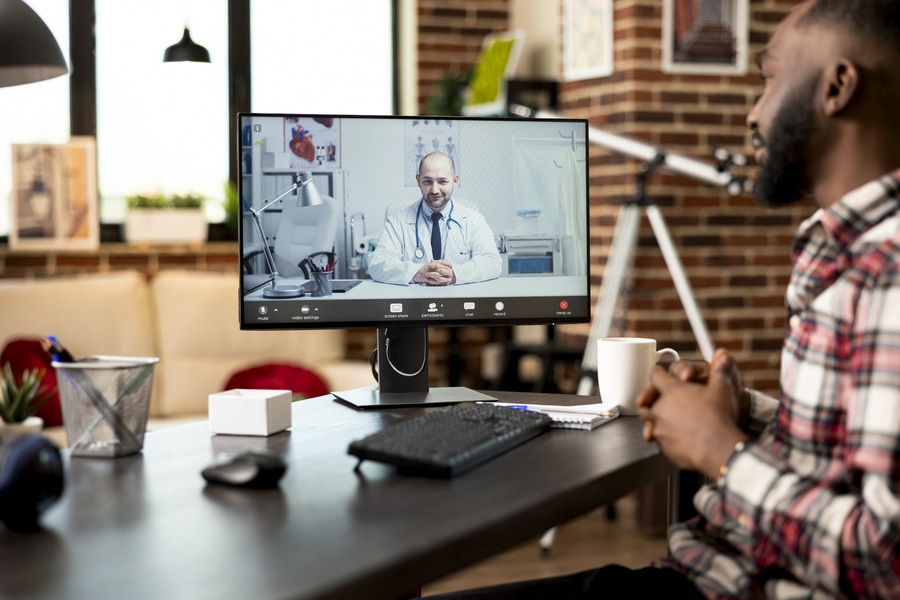
Telehealth enables providers to deliver health care remotely. Diagnosing patients via video or phone is the most well-known example. Others include providers who monitor patients remotely and teach medical students from thousands of miles away.
Telehealth vs. Telemedicine
Telehealth and telemedicine are often mentioned together. Many people think they're the same and use the terms interchangeably. However, telehealth and telemedicine have distinct meanings:
Telehealth: The delivery of clinical services to patients as well as non-clinical healthcare services. A provider remotely teaching medical students is implementing telehealth, not telemedicine. Providers meeting virtually to discuss an upcoming surgery is another example.
Telemedicine: A subset of telehealth. Telemedicine is strictly the delivery of clinical services to patients (e.g., virtual consultations, e-prescriptions). The earlier provider-patient consultation is an example of telemedicine. The same would be true for a psychiatrist counseling a patient virtually (telepsychiatry).
Common Uses and Examples of Telehealth Services in Action
The digital transformation in healthcare has revolutionized the sector, bringing electronic devices and other digital technologies, such as medical computers, Wi-Fi, and cloud-based systems, to patient care.
Telehealth is one of those technologies. This approach offers several advantages.
Virtual Connection In Remote Places
People in rural areas may be many miles from a proper medical clinic or hospital. Many patients cannot leave their locations due to injury or are infirm. And house calls, in which providers visit patients at home, are limited in the modern age.
Telehealth allows providers to visit these patients virtually. Making a diagnosis, prescribing medication, or consulting on long-term care are just a few tasks they can perform remotely. Providers can even conduct tests, such as breathing tests, with the patient's help or with an on-site caregiver's help. Regardless, the technology allows patients without ready access to healthcare due to distance to receive quality treatment.
Remote Patient Monitoring
Remote Patient Monitoring (RPM) involves the reporting, collection, transmission, and evaluation of patient health data. Devices such as wearables, mobile devices, smartphone apps, and all-in-one medical PCs gather the patient information. Telehealth transmits all of it to the provider and their medical staff, who can review it at their leisure, in real-time, or a combination of both. Examples include:
blood pressures
cardiac stats
oxygen levels
respiratory rates
RPM allows them to detect complications early and identify patients who need medical attention before in-person appointments. Moreover, chronic conditions like COPD and cardiac complications can be more readily and efficiently managed.
Greater Healthcare Information Management
Modern healthcare generates an enormous amount of information. CAT scans, MRIs, X-rays, photos, videos, and text-based patient data are just a few examples. In the past, this information was recorded on paper and stored in file cabinets and boxes. This made information management cumbersome, especially when conveying information to off-site facilities, such as a provider located out of state or even in another country.
Telehealth eliminates many of those issues. Today, such information is stored in secure servers, routers, and email platforms. Providers can access such information to make an accurate diagnosis and treatment, regardless of their location. Even patients can access select records if given the right permissions.
Remote Wound and Trauma Care
Trauma, such as physical injury and wounds, requires immediate attention. Unfortunately, getting traumatized patients to the nearest ER takes time via emergency vehicles, and the provider won't be able to diagnose them appropriately until they arrive on-site.
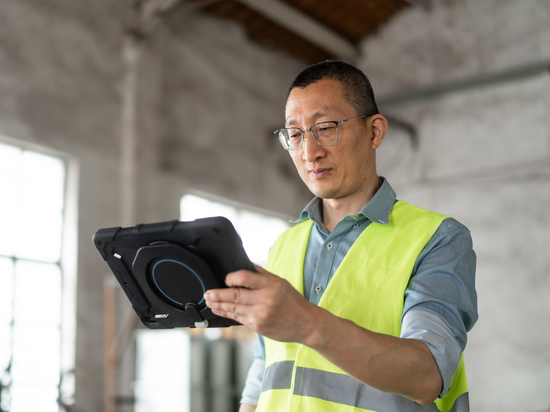
Telehealth can help resolve this dilemma. An EMT on board can take a picture of the wound with their medical tablet and send it to the ER. Providers there can perform a preliminary diagnosis based on the picture and recommend proper dressing and initial wound care to the EMT. The ER can also prepare for the patient's arrival, such as having X-ray machines or burn treatment equipment ready for immediate use.
Benefits of Telehealth
Telehealth's ability to bridge the distance between providers and patients can deliver measurable advantages when properly implemented.
Increased Access: Rural and underserved populations can receive quality healthcare, leading to improved patient outcomes from illnesses and injuries and increased overall satisfaction.
Operational Efficiency: Healthcare groups can optimize provider-patient appointments, enabling more visits without compromising care quality.
Cost Containment: By staying in touch with discharged patients and treating them as needed, medical groups can reduce the likelihood of emergency department visits and hospital readmissions, and the associated costs.
Enhanced Patient Engagement: By accessing their electronic medical records (EMR) and educational resources, patients can actively participate in their care, reducing anxiety and stress during recovery.
Telehealth: Challenges, Limitations, and Overcoming Them
Telehealth addresses many gaps in healthcare, namely, the delivery of medical care between providers and patients. Medical groups considering implementing the technology should be aware of its challenges and limitations. Fortunately, solutions have been found for many of them.
Lack of Technology Integration
Here, the patient may not have Wi-Fi connectivity, or there may be an incompatibility between the EMR software used by all the parties involved (data silos). Solutions for these two include installing temporary connectivity at the patient's residence and using third-party services to bridge data silos.
Diagnosis Limitations
Information is key in patient diagnosis and treatment. For providers, the more information they have about the patient's condition, the better.
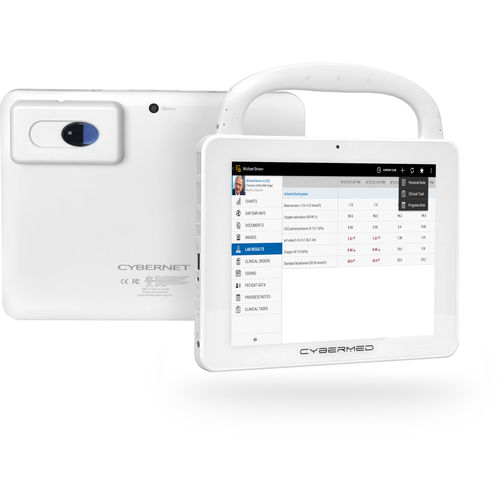
Unfortunately, in telehealth, providers are limited to what they can see of the patient on-screen and what they can gather about the patient's condition. Wearable devices, or simply wearables, on patients make it easier to gather more accurate information. Other ways include having the patient or on-site caregiver connect a medical device, such as a pulse oximeter, to a medical-grade tablet to collect and send the necessary data.
Information Gaps
Providers may not have a patient's complete EMR at the other end of the virtual visit. This is especially true if they're brand new, a referral, or have a different primary provider. Increased security measures (see below) may encourage hospitals to provide more providers with access to medical records.
Security and Privacy Concerns
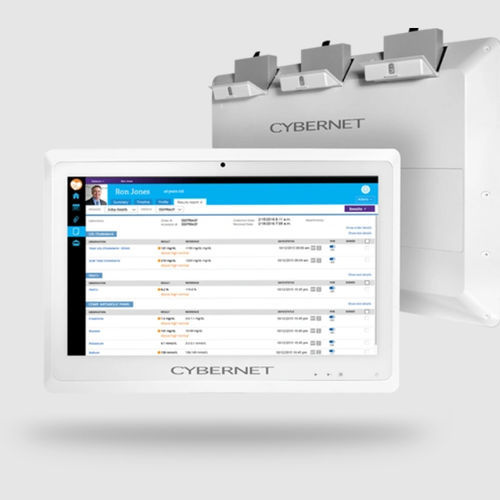
Patient data is valuable and a frequent target for cyberattacks. Medical-grade computers with Single Sign-On, such as those using Imprivata, can help ensure that only authorized medical personnel access those records.
Reimbursement and Payment Models
Some insurance companies may not cover telehealth visits. Healthcare groups should have appropriate hardware and software solutions in place to demonstrate why telehealth should be reimbursed, given its essential role in healthcare.
Telehealth Implementation Checklist
So, your healthcare group has decided to offer telehealth as one of its services. How do you go about it? The provided step-by-step playbook can guide you and your team, ensuring you don't miss anything vital and suffer possibly costly consequences.
Pre-Implementation Planning
Define the objectives and goals of bringing telehealth to your healthcare group. Specifically, why do you want to do it now? Form an implementation team focused on addressing this step, assigning them responsibilities such as conducting needs assessments and compliance checks across all plans.
Technology Infrastructure
All hardware, software requirements, and related tech issues are addressed in this step. These can range from compatibility with current networks and medical PCs best suited for the hospital setting to telehealth platforms, as well as security concerns (e.g., HIPAA compliance).
Training and Education
All staff involved will need to be trained in the involved technologies. How to use the client software, troubleshooting, and proper patient conduct are just a few of the subjects that will need to be covered. Patients will also need to be educated about the service.
Workflow and Process Integration
Telehealth brings significant changes to many clinical services. Example: providers cannot directly take the patient's blood pressure during virtual visits. Same with listening to their breathing. Alternatives must be developed and their use trained. Vocal biomarkers, which can detect disease by analyzing a patient’s voice, can be integrated with telehealth and other remote monitoring technologies.
Legal and Reimbursement Considerations
Telehealth is relatively new, and insurance and government reimbursement can be confusing. Your group should familiarize itself with current reimbursement policies, including licensing and credentialing requirements.
Test and Quality Assurance
The medical group must test the new telehealth system before it goes live. Develop checklists of these tests, and properly document the results of mock sessions. Go over the results and adjust your system accordingly.
Launch and Implementation
This final section addresses the pilot phase, during which the system is introduced to a limited audience. Examples include offering telehealth services exclusively to pregnant patients or making the service available only at late hours (i.e., between 1:00 AM and 4:00 AM). Once you're satisfied the pilot is working correctly, you can fully roll out the telehealth service throughout the rest of the group.
Telehealth: Unlocking the Future of Healthcare with Cybernet Computers
So what is telehealth? Telehealth connects patients and providers without the need for in-person visits. Wi-Fi, video conferencing, and other technologies bridge the distance between the two, enabling advantages ranging from 24/7 access to medical care to remote monitoring of chronic conditions.
Are you interested in knowing more about telehealth? Contact Cybernet Manufacturing for more info. We'll be happy to review how the technology works alongside our medical computer lineup and discuss how implementing it together can provide numerous benefits to you and your group.