#Industry News
Postural Sway After Knee Replacement: What It Reveals About Balance and Fall Risk
Why balance complexity and surgical technique matter in early recovery after TKA
After total knee arthroplasty (TKA), many patients remain at increased risk of falls despite improved pain and mobility. One key but often overlooked factor is postural sway, and more specifically, postural sway complexity, a marker of how well the neuromuscular system adapts to balance challenges.
Rather than focusing only on how much a patient sways, this article explains why the organization of sway over time is critical. A complex sway pattern reflects a healthy, adaptable balance system, while reduced complexity signals fragility and a higher fall risk.
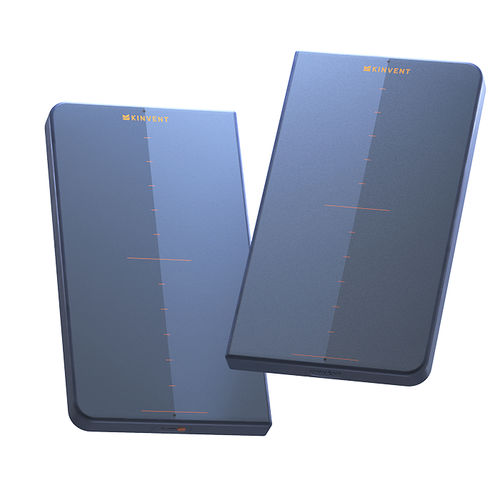
Drawing on a recent force-plate study, the article shows that surgical technique directly influences postural sway complexity after knee replacement. Patients undergoing a medial parapatellar (PP) approach experienced a significant loss of balance complexity during early recovery, whereas those treated with a mid-vastus (MV) approach preserved neuromuscular adaptability closer to healthy controls.
These findings highlight the importance of assessing balance quality, not just strength or range of motion, and emphasize the role of early, targeted neuromuscular training in fall prevention after TKA.
Read the full article to understand how postural sway complexity reveals hidden fall risk after knee replacement.