#Product Trends
Understanding Aortic Valve Stenosis: When the Heart’s Gate Becomes Too Narrow
Understanding Aortic Valve Stenosis: When the Heart’s Gate Becomes Too Narrow
Your heart has four valves that act like one-way doors, guiding blood in the correct direction. One of these valves, the aortic valve, plays a particularly important role. It opens every time your heart beats, allowing oxygen-rich blood to flow from the left ventricle into the aorta and out to the rest of your body.
Aortic valve stenosis (AS) occurs when this valve becomes narrow and stiff, making it difficult for the heart to pump blood forward. Over time, the heart muscle must work harder, which can eventually lead to heart failure if untreated.
What Causes Aortic Valve Stenosis?
Aortic stenosis can develop for several reasons:
1.Age-related calcification
As we age, calcium deposits gradually build up on the valve, making it stiff. This is the most common cause, especially in people over 60
2.Congenital bicuspid aortic valve
Some people are born with an aortic valve that has two leaflets instead of three, causing it to wear out faster.
3.Rheumatic heart disease
Previous untreated strep throat or rheumatic fever may damage the valve, though this is now less common in many countries.
How Does Aortic Stenosis Feel?
Early stages may cause no symptoms, but as the valve becomes more narrowed, individuals may experience:
• Chest pain or pressure, especially during activity
• Shortness of breath or difficulty breathing when lying down
• Dizziness or fainting, particularly during exertion
• Fatigue and reduced ability to exercise
• Heart palpitations
One classic sign doctors watch for is exertional syncope—passing out during physical activity.
How Is It Diagnosed?
Doctors typically use:
• Echocardiography (ultrasound of the heart) — the most important and accurate test
• Electrocardiogram (ECG)
• Chest X-ray
• CT scan for measuring valve calcification
• Cardiac catheterization in selected cases
The echocardiogram confirms the degree of narrowing and heart function.
Treatment Options
There is no medication that can cure or reverse aortic valve stenosis. Medicines can help manage symptoms, but the definitive treatment is aortic valve replacement.
There are two main approaches:
1.Surgical Aortic Valve Replacement (SAVR)
Traditional open-heart surgery to replace the valve.
2.Transcatheter Aortic Valve Replacement (TAVR)
A minimally invasive procedure where a new valve is delivered through a blood vessel (often from the leg).
This method has become especially important for elderly patients or those who cannot tolerate major surgery.
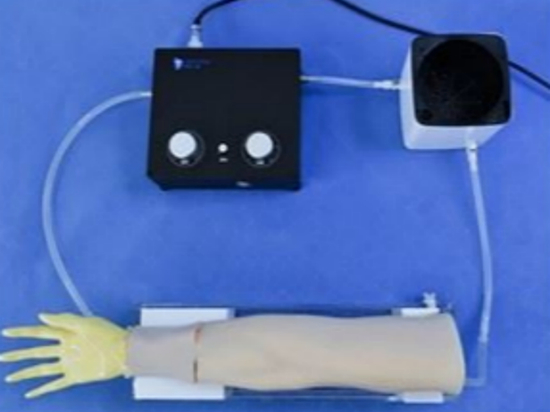
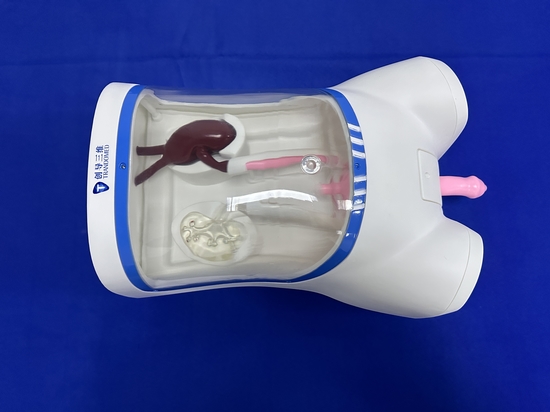
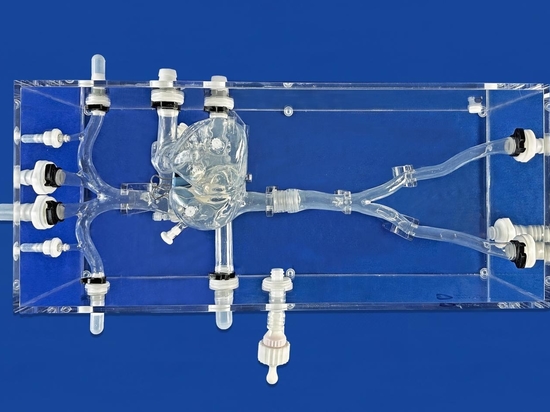
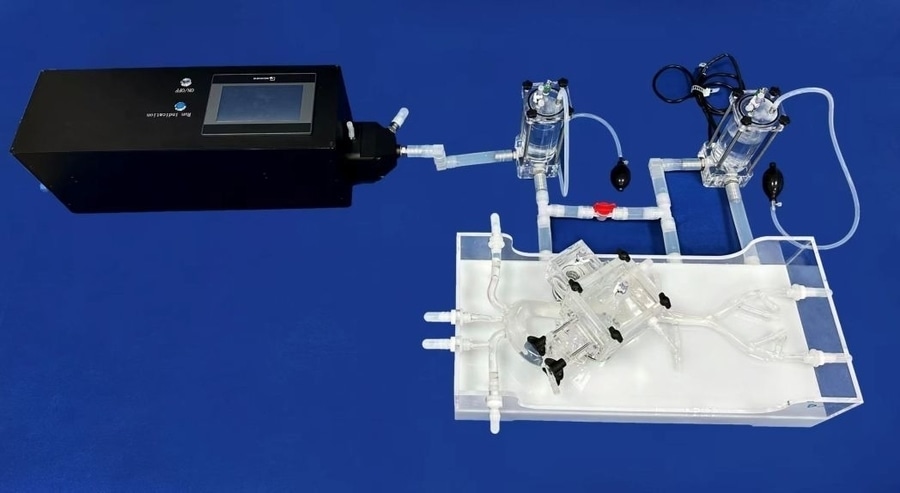
For medical education and surgical training, realistic anatomical models are essential. Our 3D-printed cardiovascular simulation models accurately replicate the structure and spatial relationships of key blood vessels and heart anatomy, and are widely used for TAVR procedural training, catheter navigation practice, and hands-on device testing and demonstration. The models offer high realism, support fluoroscopy and ultrasound visualization, and can be customized to represent different patient anatomies—including calcified or narrowed aortic valves—making complex procedures safer and easier to learn.