#Product Trends
Laparoscopic vs. Open Appendectomy: A Comparison of Recovery Periods
Laparoscopic vs. Open Appendectomy: A Comparison of Recovery Periods
Appendicitis is one of the most common surgical emergencies, and appendectomy remains the primary treatment. With advances in surgical techniques, laparoscopic appendectomy has become the preferred approach in many hospitals. However, open surgery is still necessary in complex or advanced cases. Understanding the differences in recovery between the two methods can help patients prepare both mentally and practically for the post-operative period.
1. Overview of Surgical Approaches
Laparoscopic Appendectomy
This minimally invasive surgery involves three small incisions (0.5–1 cm each) through which surgical instruments and a camera are inserted. It results in less trauma, milder pain, faster recovery, and smaller scars.
Open Appendectomy
In this traditional method, a larger incision (5–7 cm) is made in the lower right abdomen. It provides direct access and a wider operative field, which is essential in complicated cases. However, it involves greater trauma and longer recovery.
2. Early Postoperative Recovery
Pain
Laparoscopic surgery typically causes less pain due to smaller incisions and less muscle disruption. Most patients can get out of bed on the first day. Open surgery often leads to more intense post-operative pain, requiring longer bed rest.
Hospital Stay
Laparoscopic patients usually stay 2–3 days, with some discharged within 24 hours. Open surgery patients often need 3–5 days or more, depending on case complexity.
Return to Eating
After laparoscopic surgery, bowel function recovers quickly. Patients can often drink water within 6–8 hours and start a liquid diet within 12–24 hours. Open surgery may delay this to 24–48 hours due to more abdominal interference.
3. Mid-Term Recovery
Activity Level
Laparoscopic patients typically resume daily activities in 1–2 weeks and light exercise in 2–3 weeks. Open surgery patients may need 2–3 weeks for daily tasks and 4–6 weeks before returning to exercise.
Wound Care
Smaller laparoscopic incisions require simpler care and carry a lower infection risk. Open surgery wounds need more attention and longer dry periods to prevent complications.
Complication Risks
Laparoscopic surgery carries a 3–5% complication rate, including mild subcutaneous emphysema or shoulder pain. Open surgery risks are higher (5–8%) and include infection or intestinal adhesions.
4. Long-Term Recovery
Full Recovery Time
Laparoscopic patients usually fully recover in 3–4 weeks. Open surgery patients may require 6–8 weeks, especially those with physically demanding jobs.
Scarring
Laparoscopic surgery leaves three tiny scars that often fade over time. Open surgery leaves a more visible 5–7 cm scar, with a higher risk of hypertrophic scarring.
Adhesion Risk
Intestinal adhesions occur in 1–2% of laparoscopic cases but can rise to 5–10% in open surgeries, potentially leading to chronic pain or obstruction.
5. Other Influencing Factors
Patient Characteristics
Younger patients recover faster. Conditions like diabetes or obesity can slow healing and increase risks, especially in open surgeries.
Severity of Appendicitis
Simple appendicitis heals faster. Complicated cases (e.g., perforated or gangrenous) take longer, regardless of surgical method.
Surgical Skill
Experienced surgeons can minimize trauma and reduce recovery time. Their expertise may outweigh differences between the two approaches in some cases.
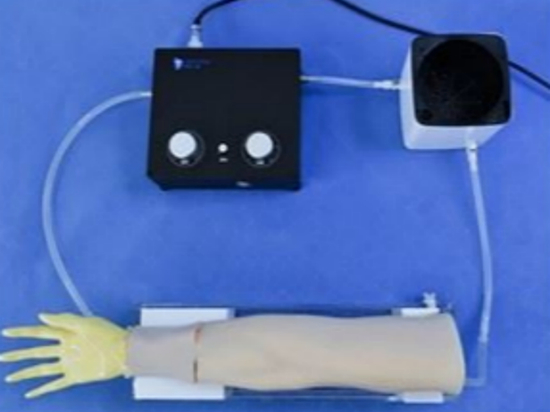
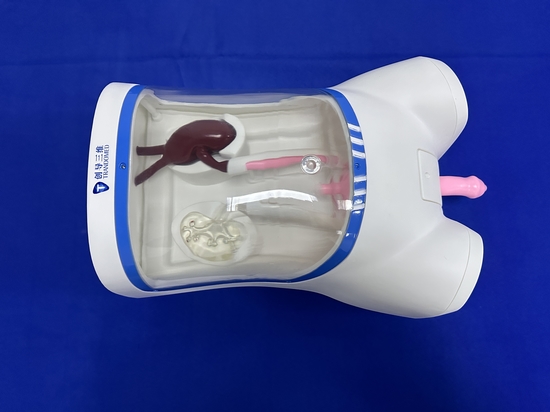
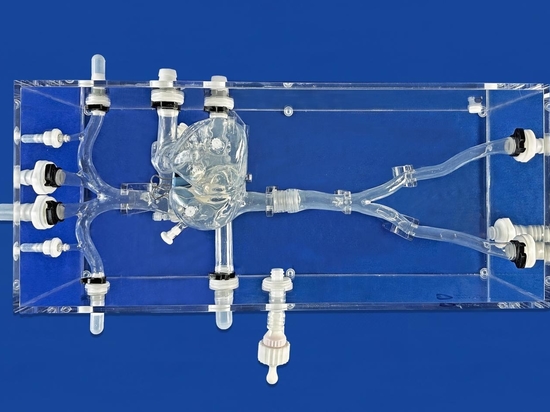
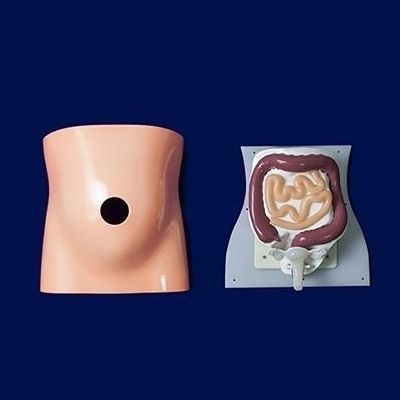
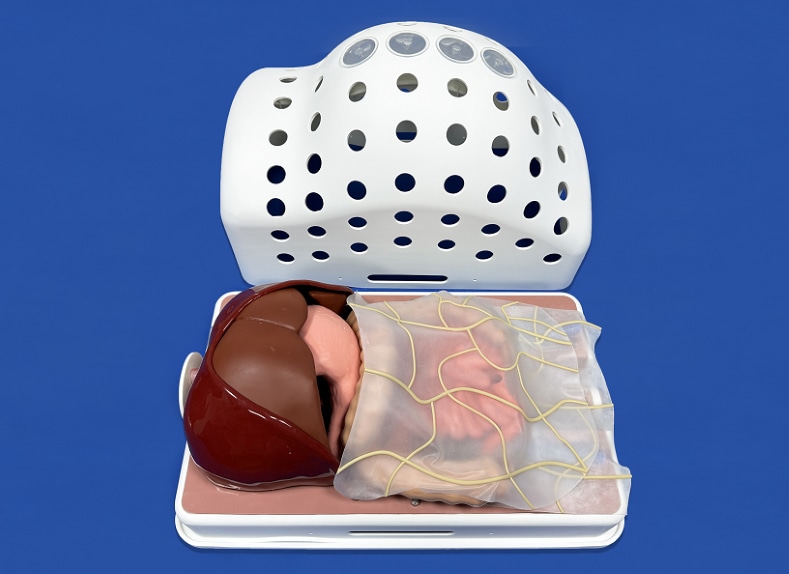
To improve surgical education and simulation, we offer realistic 3D-printed laparoscopic training models. These models are designed based on human anatomy and allow for hands-on practice in laparoscopic procedures such as appendectomy.