#Product Trends
Brief introduction to the functions of ventricular assist devices
Brief introduction to the functions of ventricular assist devices
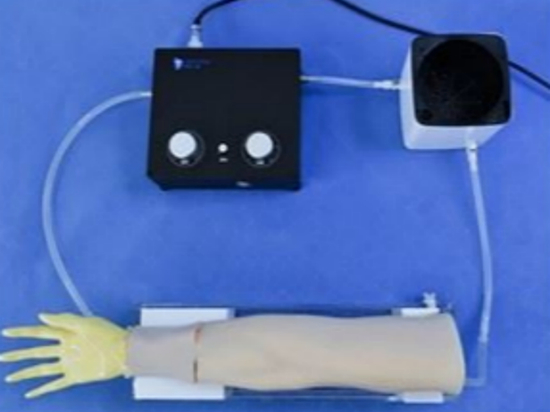
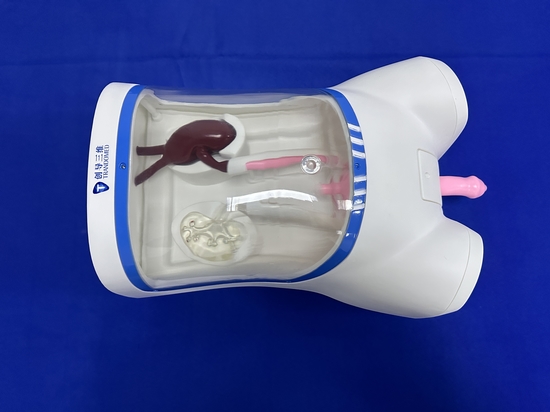
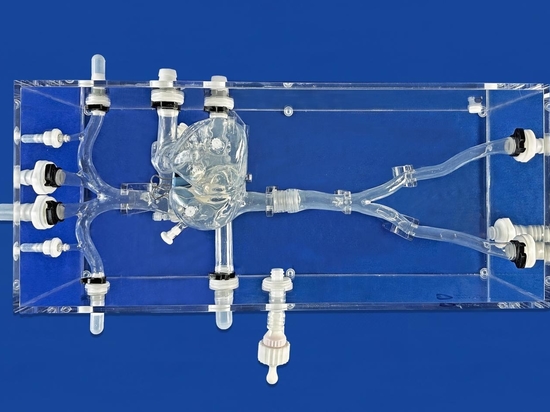
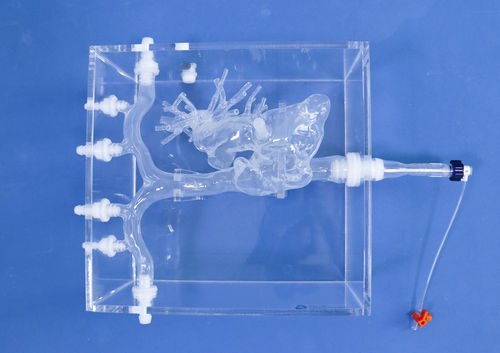
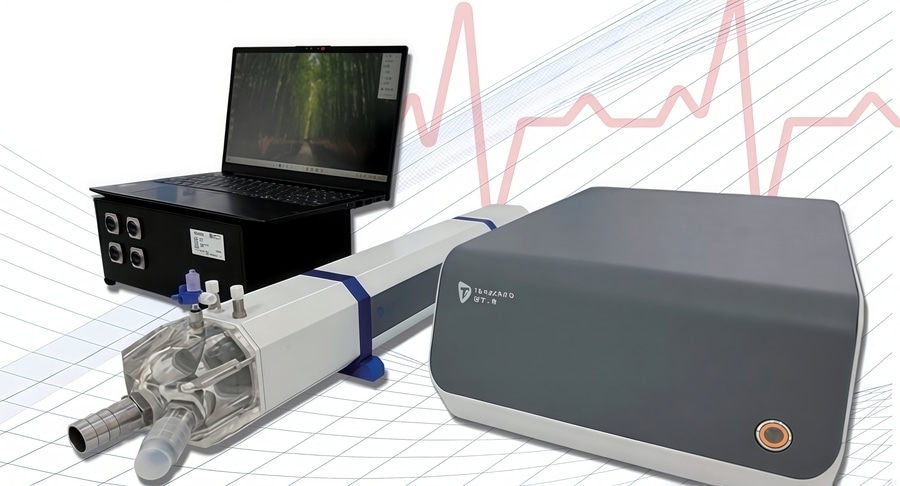
This is the first physiological-grade simulation testing platform for real-time left ventricular P-V loop waveforms, specifically designed for in vitro verification and testing by manufacturers of ventricular assist devices such as IABP/LAVD/IMPELLA. It provides data and test results to assist in product application and testing.Throughout the entire process of in vitro simulation, registration, and hospital promotion of ventricular assist devices such as IABP (Intra-aortic balloon counterpulsation), companies often face several core pain points: inaccurate R&D testing data, lack of data support for in vitro simulation equipment, insufficient scenario-based clinical training demonstrations, and poor hands-on experience for medical staff.
To address these needs, Trando 3D has launched this ventricular assist device functional verification system, providing a one-stop solution with four core functions. It is currently the first system on the market capable of real-time plotting of the left ventricular P-V loop and collecting relevant data for device R&D testing.
Specific Functions:
1. Highly Simulated Physiological Environment
High Simulation: The model features real-time P-V loop rendering, simulating the left ventricular P-V loop in real time while maintaining synchronization with the pulsating pump and its operating cycle required by the IABP device. The fit with clinical statistical results is over 90%.
Simulated Scenarios: It can accurately simulate changes in the left ventricular P-V loop under different physiological states, such as normal heart and heart failure, replicating the core data differences before and after counterpulsation. This helps companies optimize algorithms and debug parameters in "in vitro simulation," significantly reducing upfront R&D costs and shortening the development cycle.
2. Real-time Waveform Data Acquisition, Providing Registration Basis
Data Traceability: The model's pressure (P) and volume (V) data are acquired in real time through high-precision sensors, completely simulating the clinical monitoring process.
Data Basis: The acquired data is accurate and authoritative, serving as a core reference for device performance verification and safety assessment. This meets the requirement that "technical documents must include detailed simulation data" during the registration process, reducing correction steps and accelerating the approval process.
3. Hemodynamic Simulation, Expanding Testing Scenarios
Hemodynamic Evaluation: Built-in ultrasonic blood flow sensor accurately detects aortic flow rate and velocity, and plots waveforms, replicating the combined blood flow effect of the pulsatile pump and ventricular assist device.
Trigger Logic Verification: Dual-mode inflation/deflation trigger signals match the trigger logic of clinical IABP mainframes, helping companies complete in-depth testing of trigger modes, counterpulsation effects, and other dimensions to ensure the equipment meets actual clinical needs.