#Industry News
Analysis of Advantages and Disadvantages of Transradial Approach for Cerebral Angiography
Analysis of Advantages and Disadvantages of Transradial Approach for Cerebral Angiography
Cerebrovascular diseases are among the top three causes of death in China, with about 2.7 million new stroke cases annually and a 75% disability rate. The choice of cerebral angiography approach depends on its impact on patients and medical staff. Below is an analysis of the transradial approach (TRA) and transfemoral approach (TFA) from both perspectives , serving as a foundation before exploring topics like Lower Extremity Artery II.
Patient Benefits: Comfort, Recovery, and Cost-Effectiveness
From the patient's perspective, TRA has obvious advantages over TFA. It does not require perineal skin preparation, reducing psychological discomfort. Postoperatively, the catheter can be removed immediately, with no activity restriction except for the punctured wrist, which is especially beneficial for elderly patients unable to stay in bed. This shortens bed rest time, reducing the risk of deep vein thrombosis. Although few cerebral angiography studies compare hospitalization time and cost, coronary intervention data show TRA reduces costs by 8,241-9,058 yuan on average and shortens hospital stays. TRA also has fewer bleeding-related complications, allowing uninterrupted antiplatelet and anticoagulant therapy.
Patient Risks: Radial Artery Spasm and Occlusion
TRA's main disadvantage for patients is radial artery spasm, causing severe pain due to the radial artery's smaller diameter and tortuous path. A study of 3,327 TRA interventions found a 2.7% spasm incidence and 2% bleeding incidence. Long-term radial artery changes or occlusion may occur, so the Allen test is required to evaluate ulnar artery collateral circulation; a negative test excludes TRA.For medical staff, TRA reduces complications (e.g., retroperitoneal hematoma, pseudoaneurysm) compared to TFA (0% vs. 9.6% vascular complication incidence in one study), lightening workload. The radial artery's superficial position and bony support facilitate compression hemostasis, and nursing is simpler (6-hour wrist compression vs. 24-hour lower extremity immobilization for TFA).These benefits are crucial when considering complex procedures such as Lower Extremity Artery II, where minimizing patient immobility is key.TRA's disadvantages for medical staff include higher puncture difficulty, more cumbersome selective intubation, and lower success rates for left-sided vessels (e.g., 33% for left vertebral artery). It has a steeper learning curve, and operators receive higher X-ray exposure (hand dose: 54.65±48.18uGy vs. 31.17±13.92uGy in TFA).
Conclusion and Training Considerations
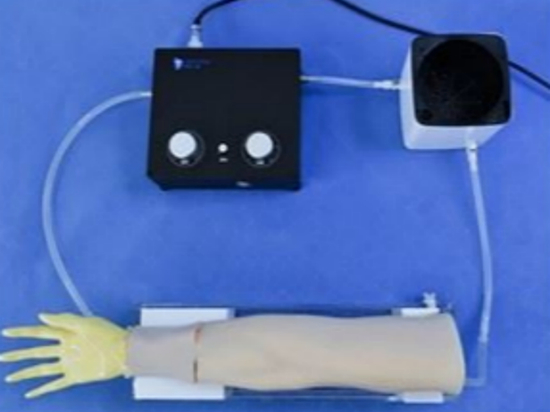
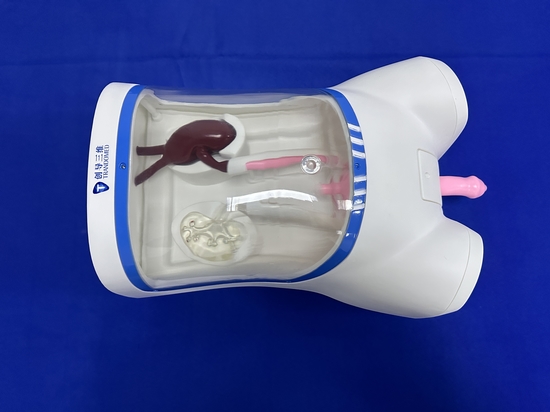
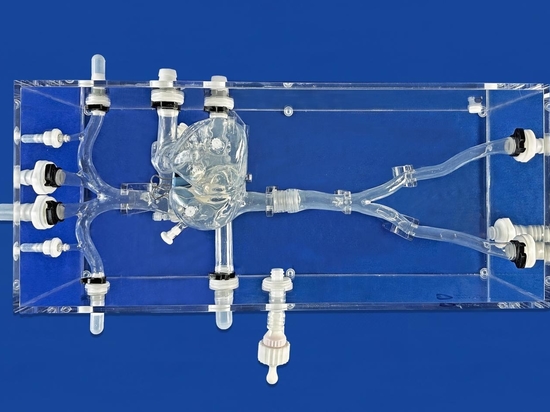
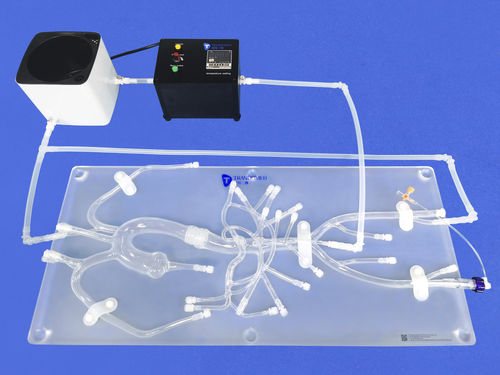
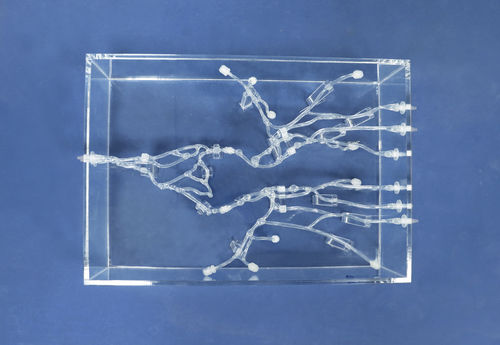
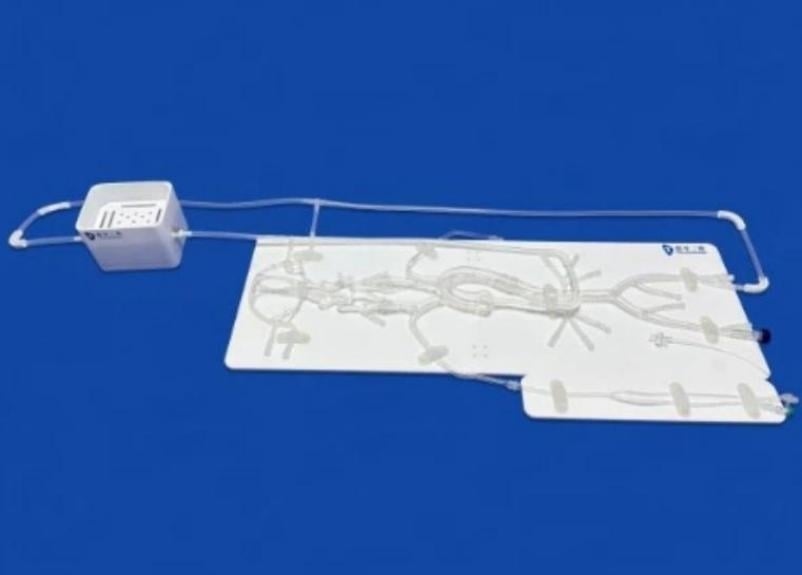
In conclusion, both approaches have pros and cons. TRA benefits patients with fewer complications, faster recovery, and lower costs but carries spasm risks. For operators, it reduces workload but increases technical difficulty and radiation exposure. The choice should balance these factors and align with clinical needs. The Trandomed neurovascular interventional training model simulates both approaches, helping medical staff master relevant skills.